Smooth Alder (Alnus serrulata), is a multi-stemmed native shrub found along streams, ponds, and wet meadows. It fixes nitrogen in the soil and produces distinctive woody catkins, making it a durable choice for wet-site plantings and streambank stabilization.
(Alnus serrulata) is a high-value native shrub that provides critical food, nesting cover, and host support for a wide diversity of birds, mammals, and insects. Supports over 200 species of butterfly and moth caterpillars including Swallowtails, Luna moths, and Harvester Butterflies.
A very fast growing shrub with dense foliage, could be used in restoration to replace Autumn Olive with a highly beneficial plant.
Birds and Mammals
Winter and fall food: Produces cones of small winged nuts that can feed songbirds and game birds like American goldfinches, chickadees, and grouse.
Early spring forage: Protein-rich male catkins provide a vital early food source for small mammals and pollinators.
Cover and nesting: Dense, multi-stemmed, thicket-forming growth provides safe nesting sites and protective cover for wetland wildlife. It grows best in full sun to part shade with wet to consistently moist soil.
A smaller member of the Birch Family (Beulaceae), typically grows to 6-12’ tall and wide, but can reach up to 15-20’ - Native range from New Brunswick to Florida
Smooth Alder (Alnus serrulata), is a multi-stemmed native shrub found along streams, ponds, and wet meadows. It fixes nitrogen in the soil and produces distinctive woody catkins, making it a durable choice for wet-site plantings and streambank stabilization.
(Alnus serrulata) is a high-value native shrub that provides critical food, nesting cover, and host support for a wide diversity of birds, mammals, and insects. Supports over 200 species of butterfly and moth caterpillars including Swallowtails, Luna moths, and Harvester Butterflies.
A very fast growing shrub with dense foliage, could be used in restoration to replace Autumn Olive with a highly beneficial plant.
Birds and Mammals
Winter and fall food: Produces cones of small winged nuts that can feed songbirds and game birds like American goldfinches, chickadees, and grouse.
Early spring forage: Protein-rich male catkins provide a vital early food source for small mammals and pollinators.
Cover and nesting: Dense, multi-stemmed, thicket-forming growth provides safe nesting sites and protective cover for wetland wildlife. It grows best in full sun to part shade with wet to consistently moist soil.
A smaller member of the Birch Family (Beulaceae), typically grows to 6-12’ tall and wide, but can reach up to 15-20’ - Native range from New Brunswick to Florida
 Image 1 of 8
 Image 2 of 8
 Image 3 of 8
 Image 4 of 8
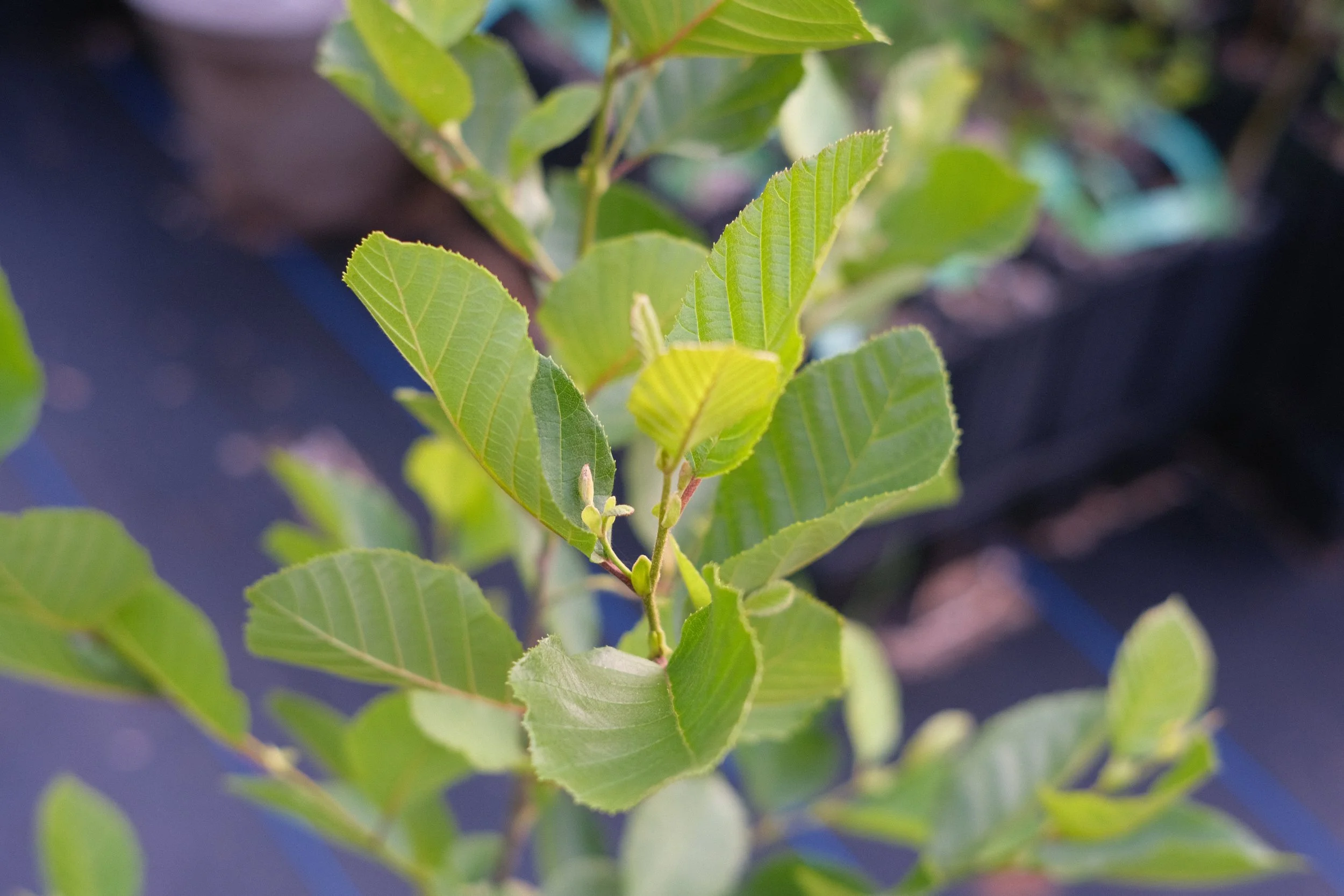 Image 5 of 8
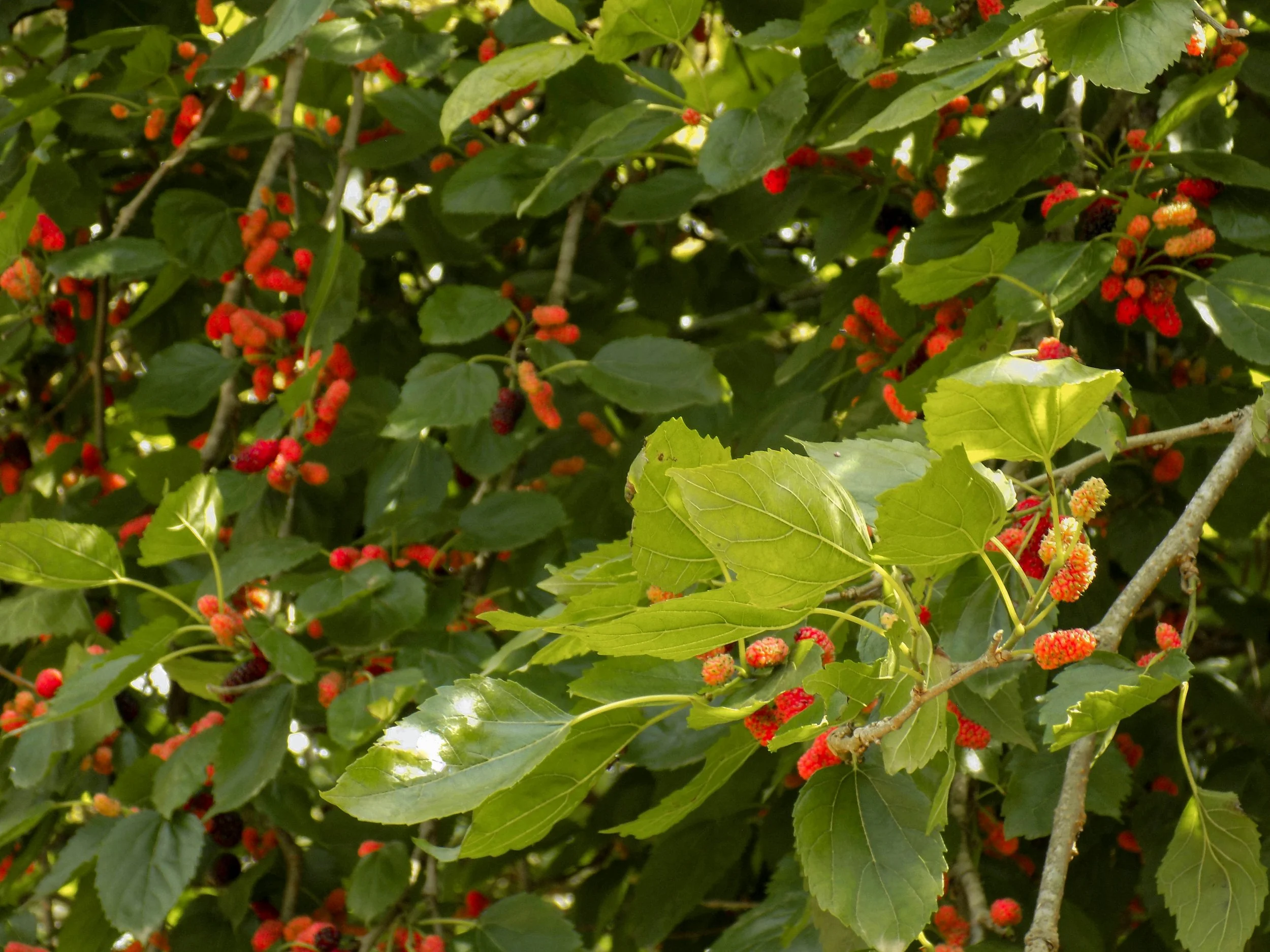 Image 6 of 8
 Image 7 of 8
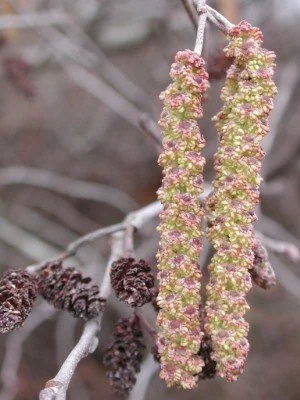 Image 8 of 8