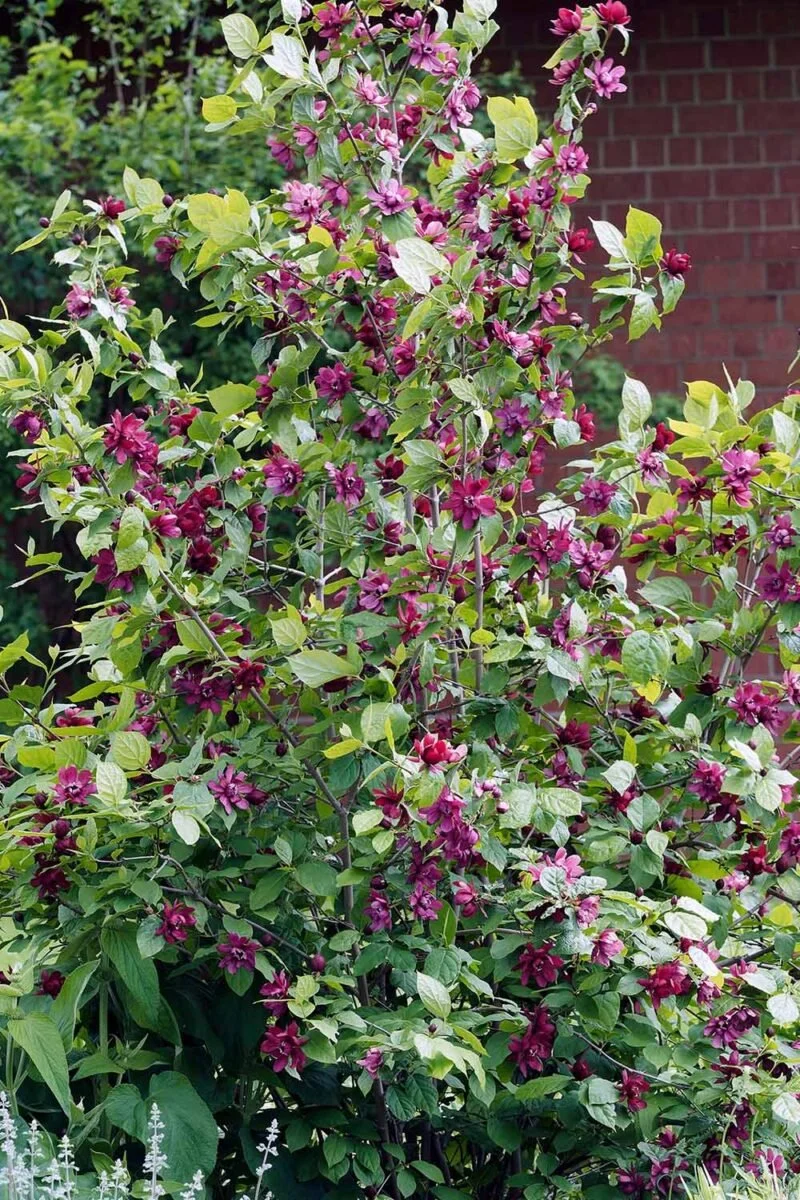
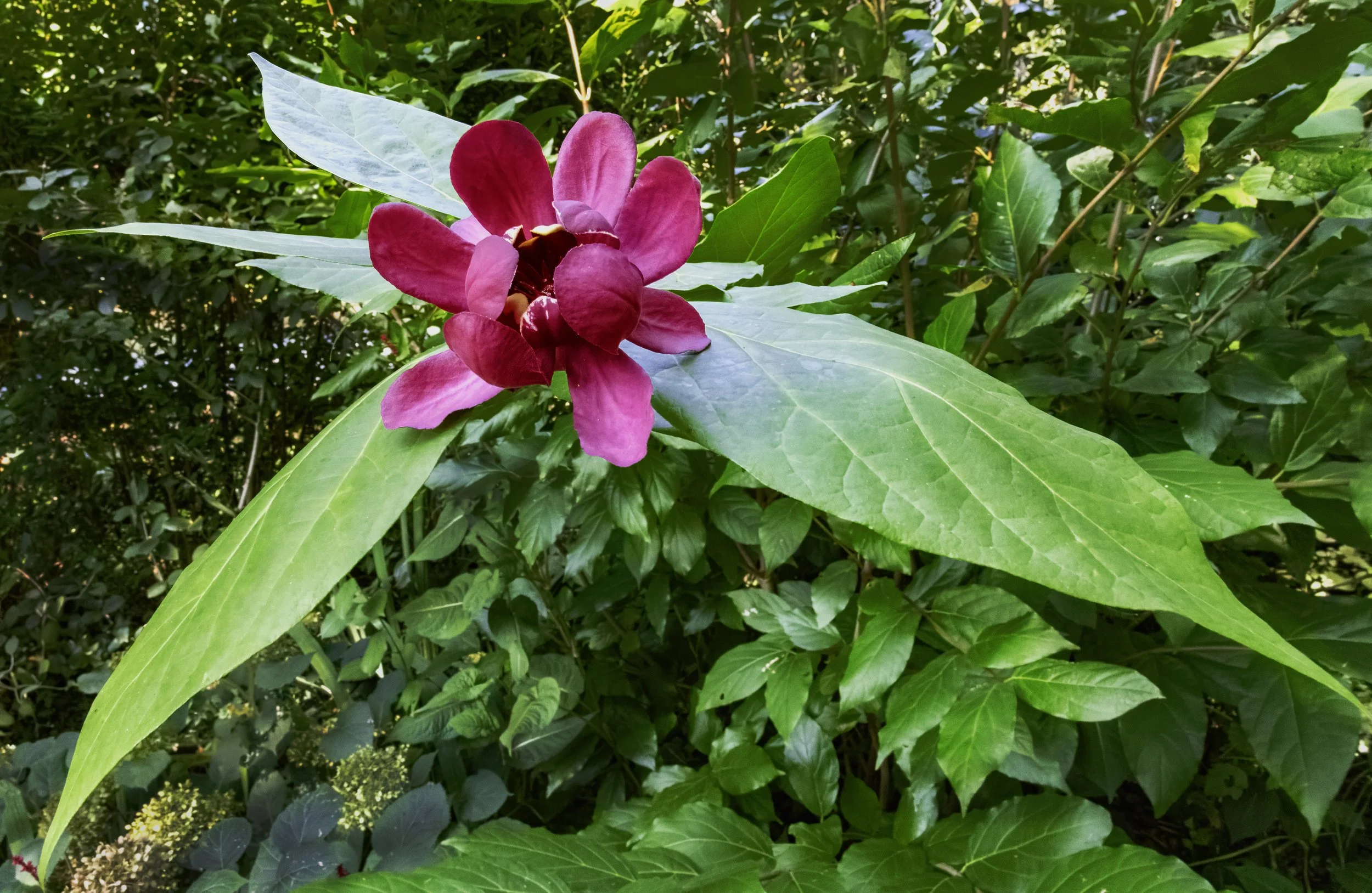

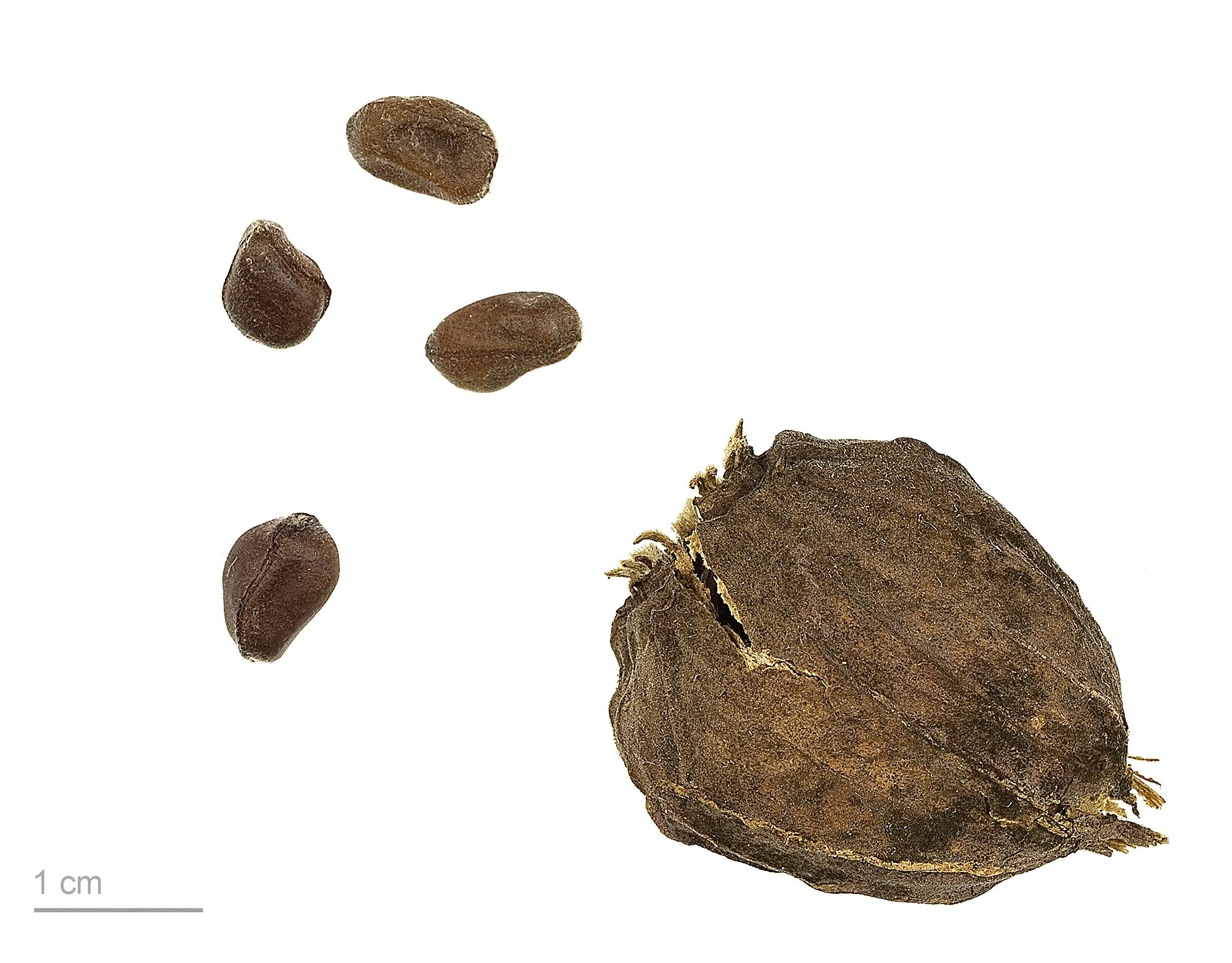
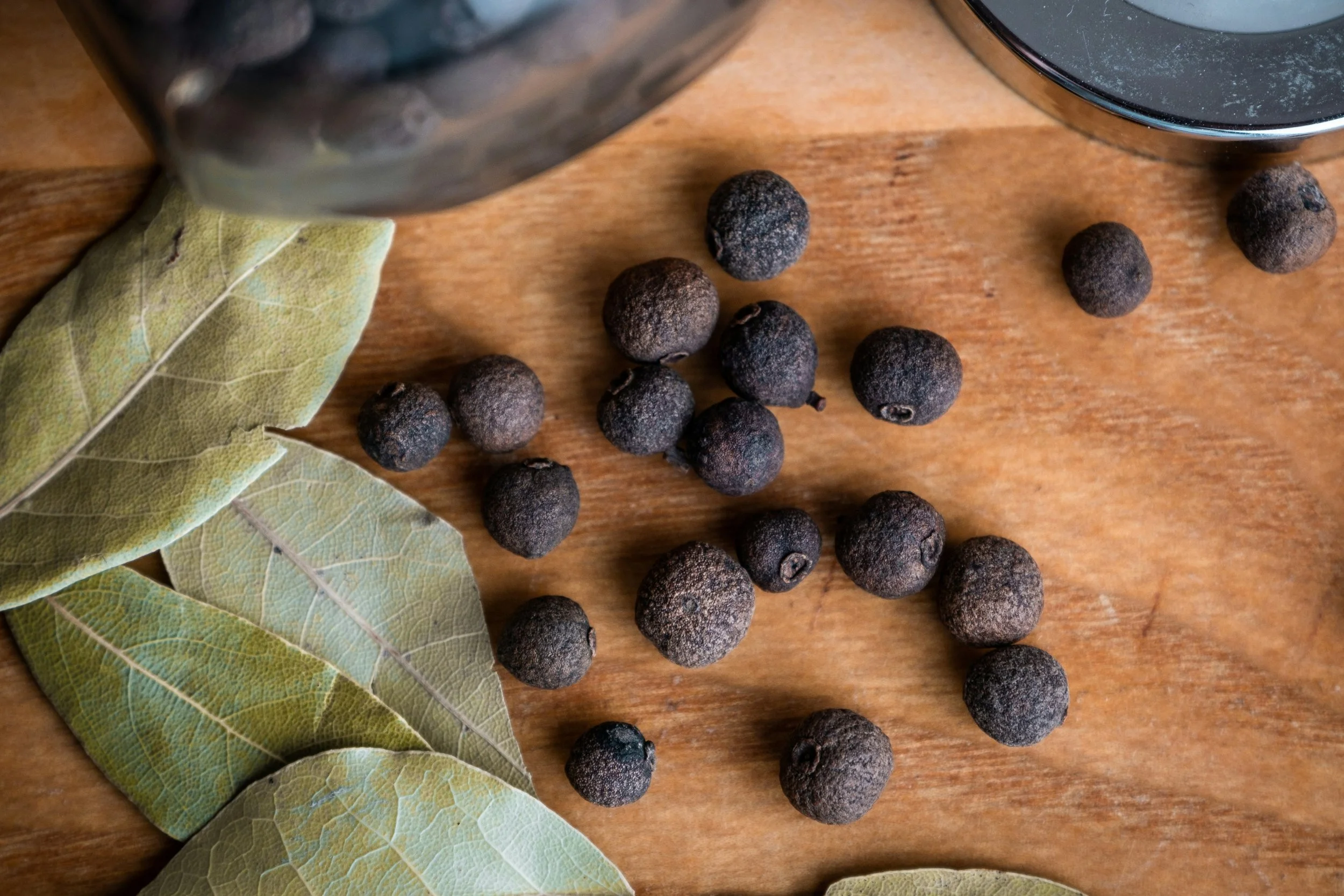
Carolina allspice (Calycanthus floridus) is a native shrub prized for its unusual maroon, strap-petaled spring flowers with a fruity, spicy fragrance often compared to banana or strawberry. It has attractive glossy foliage that turns yellow in fall and tolerates part shade well, making it a good understory or foundation planting. It blooms in mid-to-late spring and grows best in full sun to part shade with moist, well-drained soil.
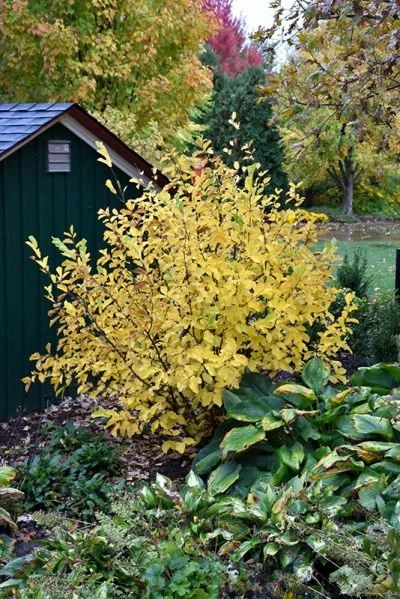
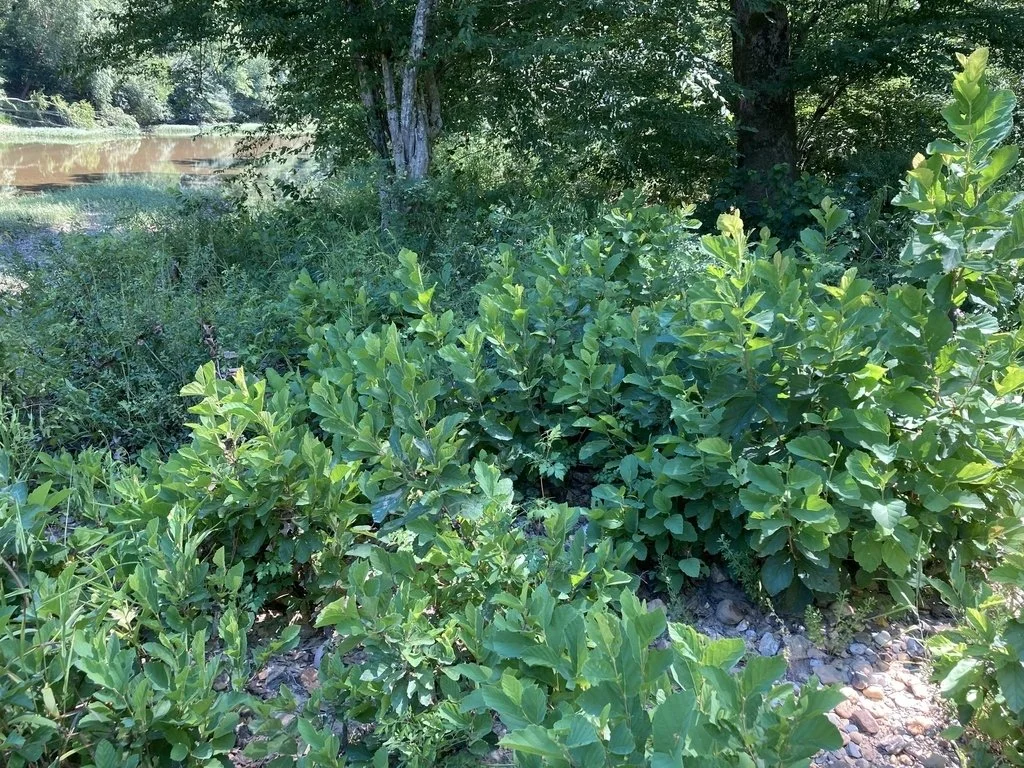
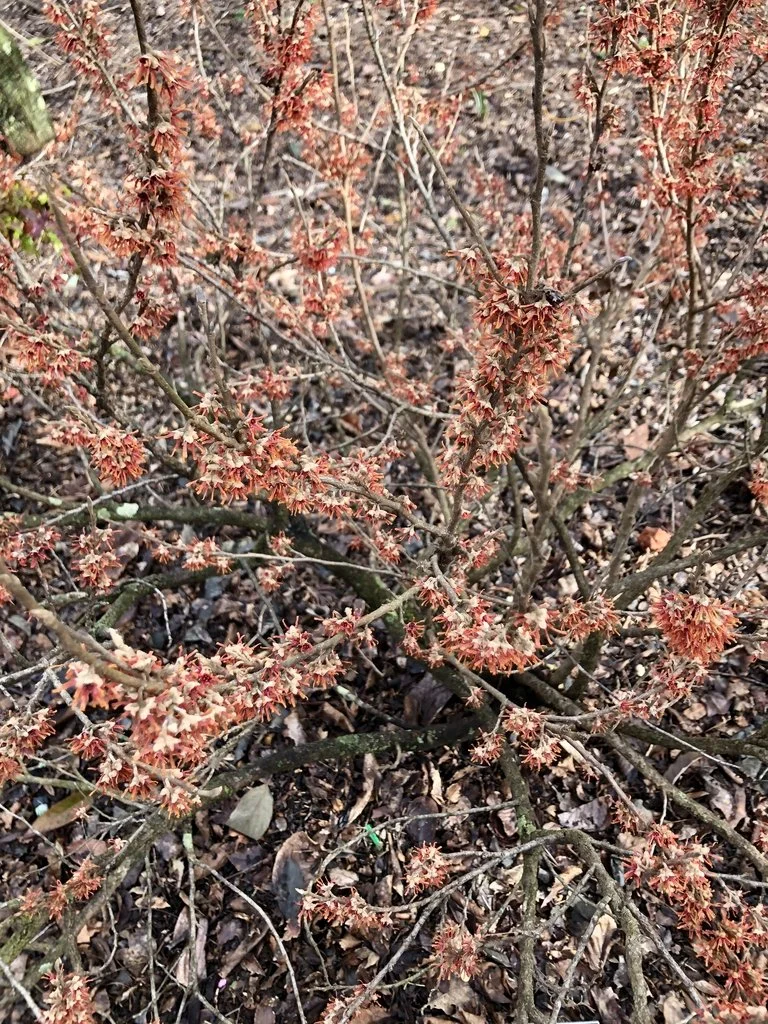
Vernal Witchhazel (Hamamelis vernalis) blooms in late winter to very early spring, producing fragrant, ribbon-like reddish-orange flowers that appear on bare branches, often the first bloom of the season. It is a tough, adaptable native shrub well suited to stream banks. It blooms in late winter to early spring and grows best in full sun to part shade with moderate to moist soil.
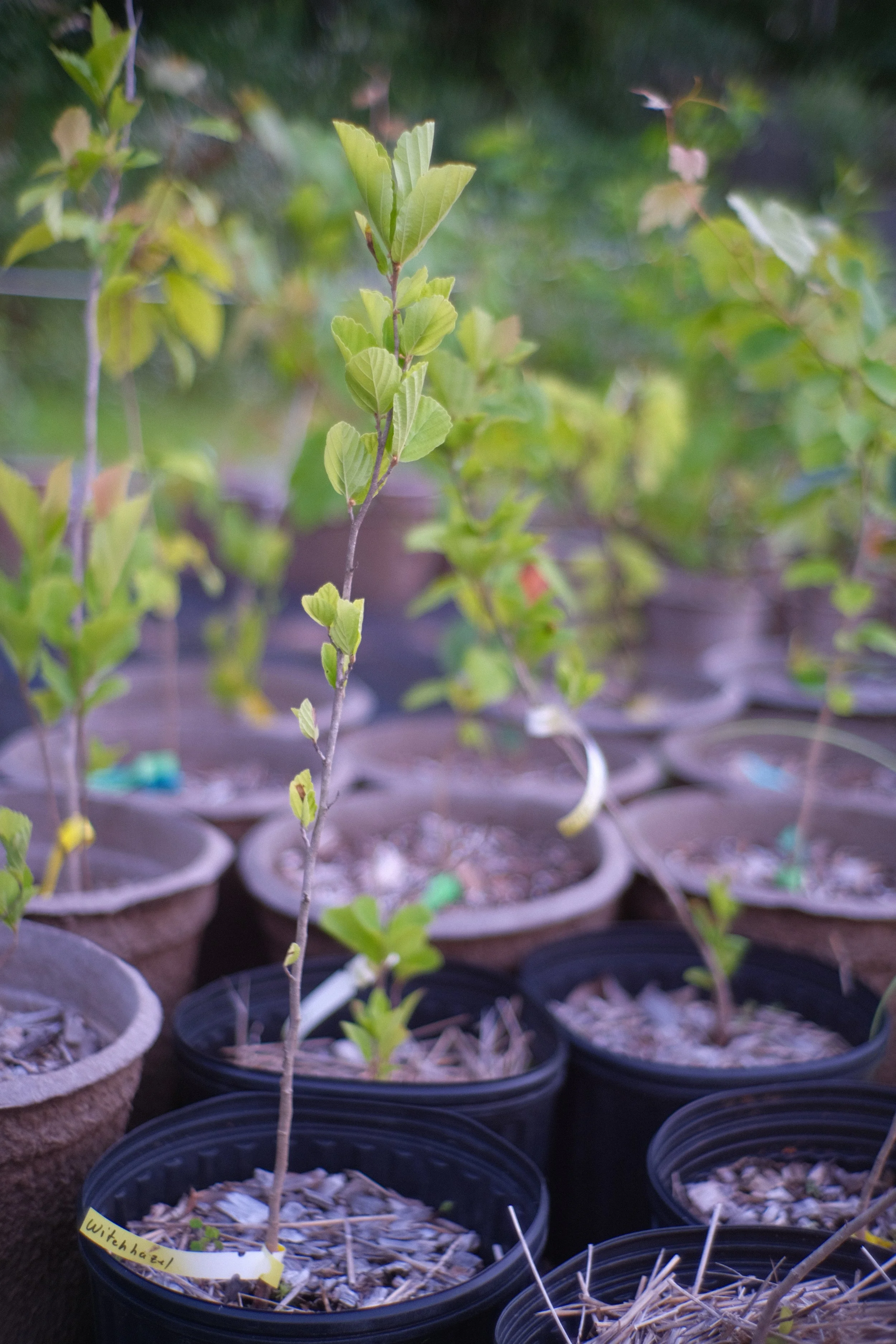
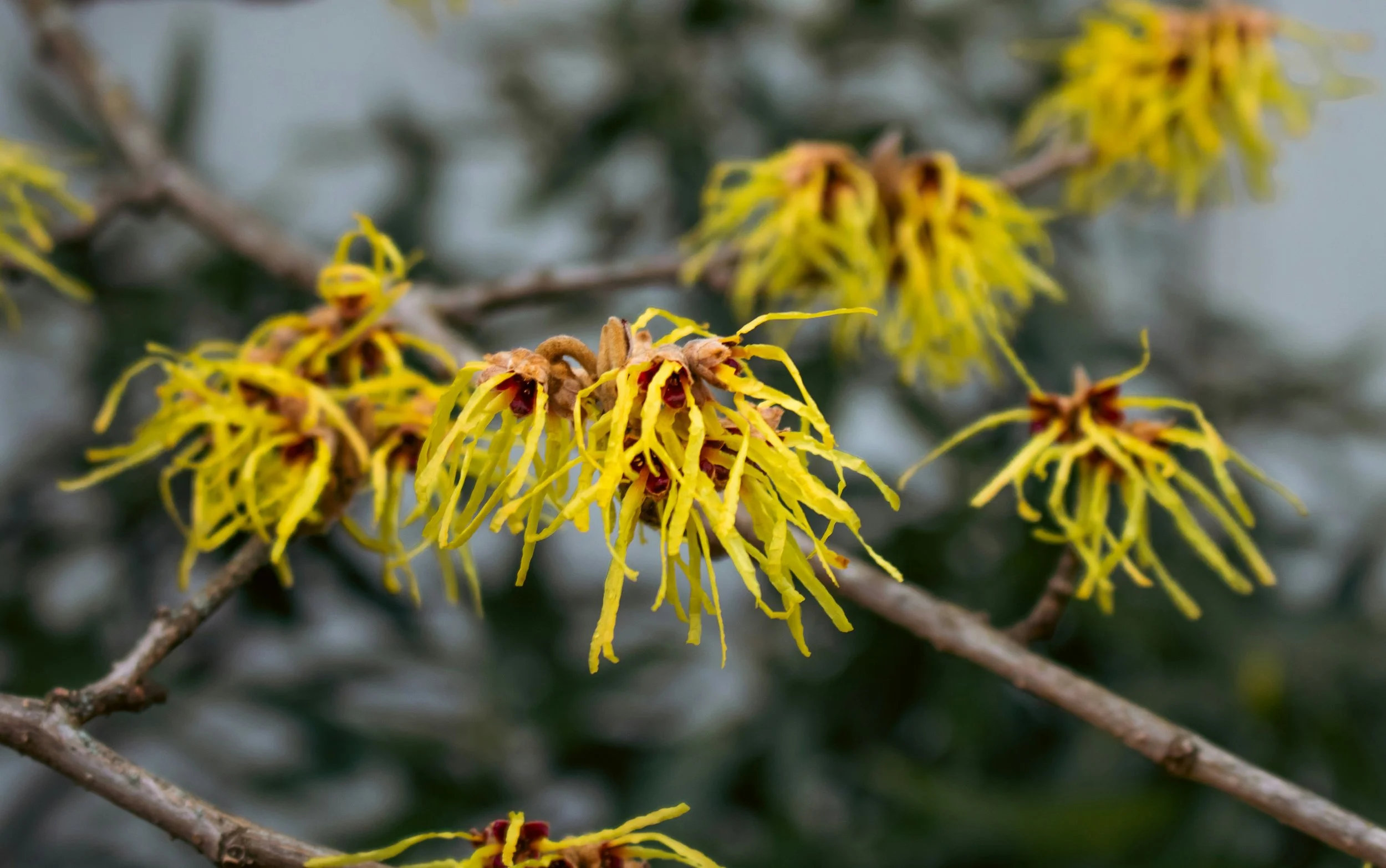
Common Witchhazel (Hamamelis virginiana) is a native understory shrub notable for blooming in late fall, when its ribbon-like yellow flowers appear as most other plants go dormant. It offers reliable yellow fall foliage and thrives in part shade. It blooms in fall, later than most flowering shrubs, and grows best in part shade to shade with moderate to moist soil.
Winterberry (Ilex verticillata) is a native deciduous holly grown for its brilliant red berries, which persist on bare branches long after the leaves drop, providing striking winter color and a valuable late-season food source for birds. A female pollinator is needed nearby to produce berries. It blooms in late spring to early summer and grows best in full sun to part shade with moist to wet soil.
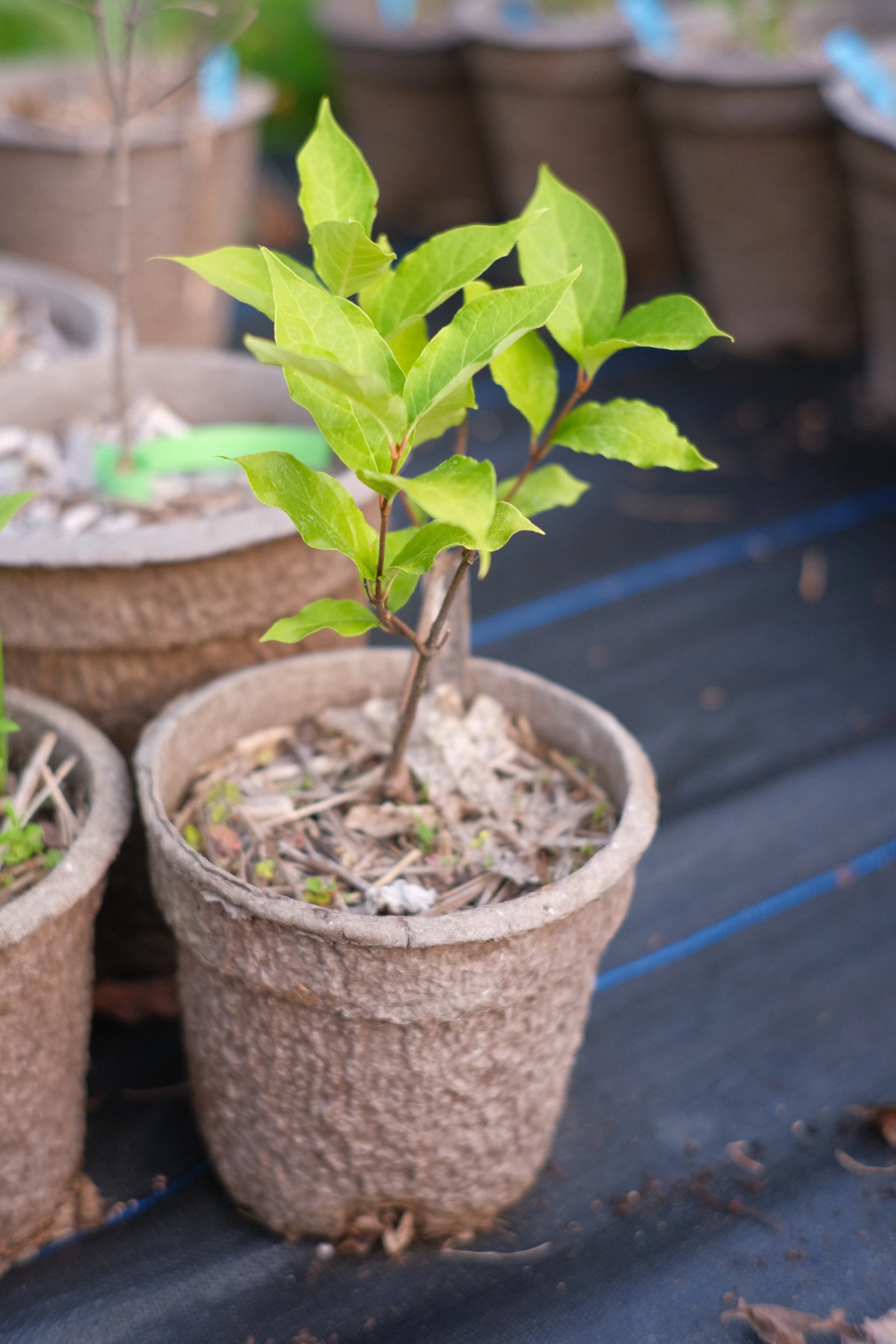
Sweetshrub, also known as Carolina Allspice (Calycanthus floridus), is a fragrant native shrub with unusual maroon, strap-petaled flowers that carry a fruity spice scent. It adapts well to part shade and offers attractive glossy summer foliage and yellow fall color. It blooms in mid-to-late spring and grows best in full sun to part shade with moist, well-drained soil.
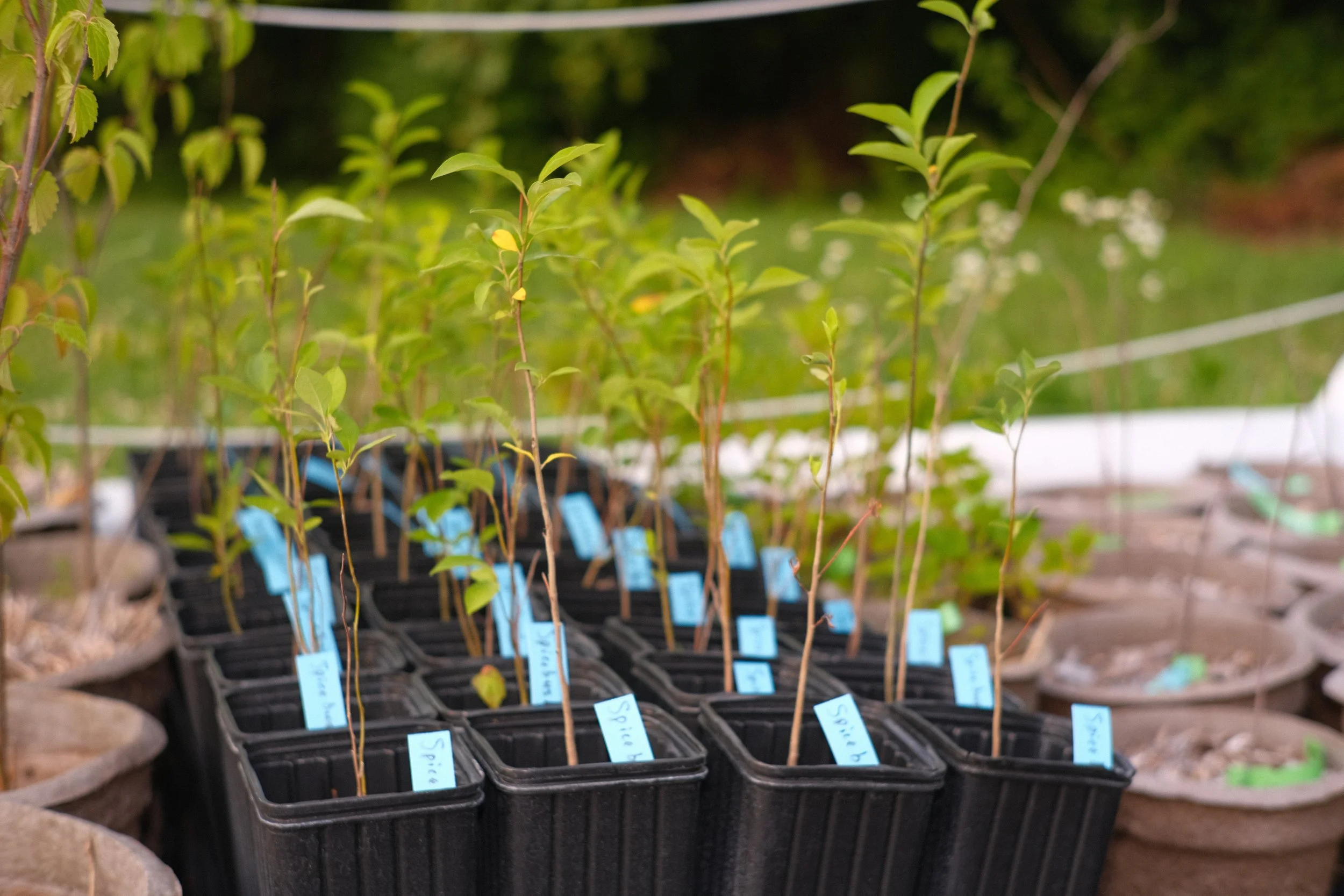
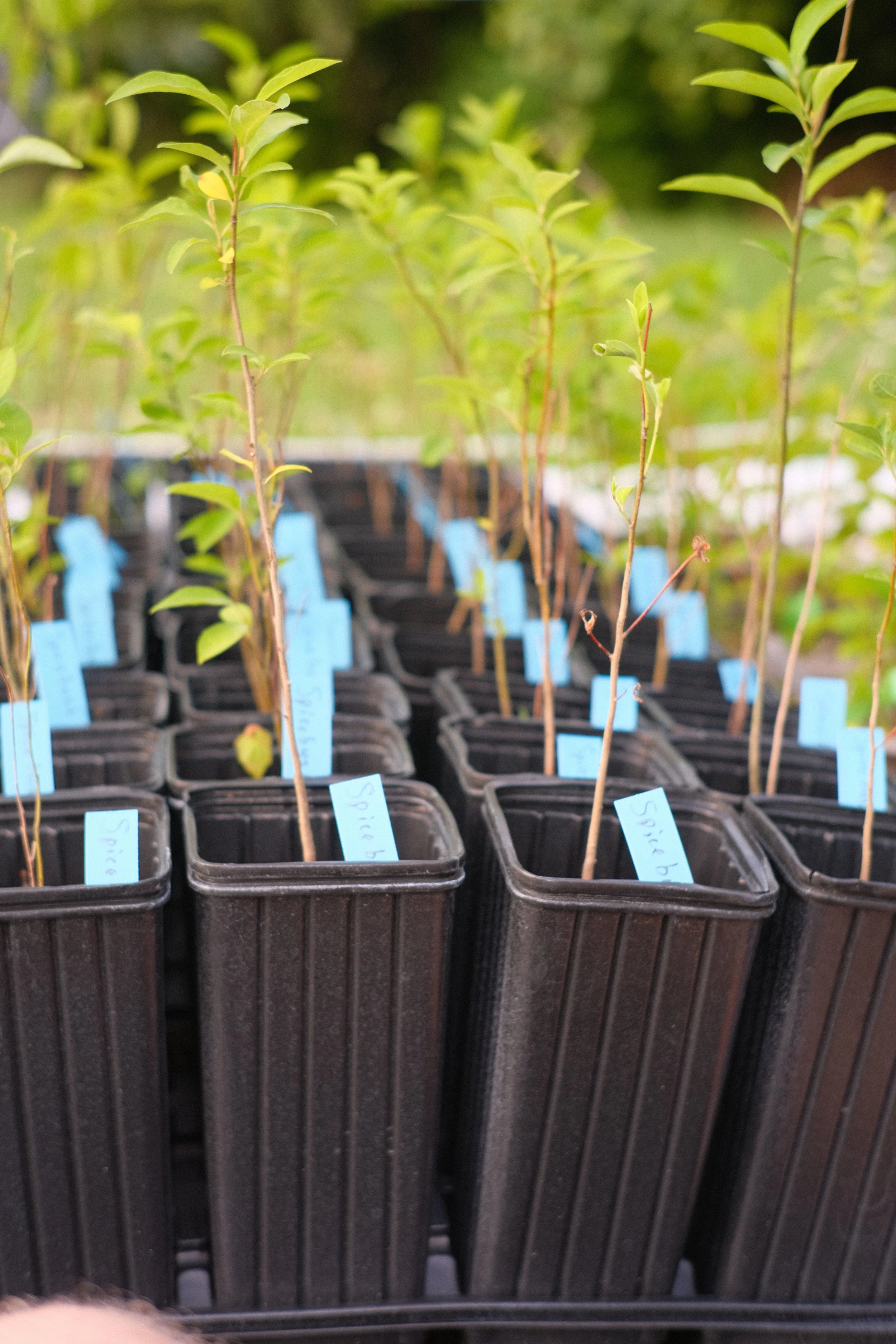
Northern Spicebush (Lindera benzoin) is a native understory shrub with small yellow flowers that appear very early in spring, aromatic foliage, and bright red berries in fall. It serves as a host plant for spicebush swallowtail butterflies and thrives in part shade. It blooms very early in spring, before its leaves emerge, and grows best in part shade to shade with moist soil.
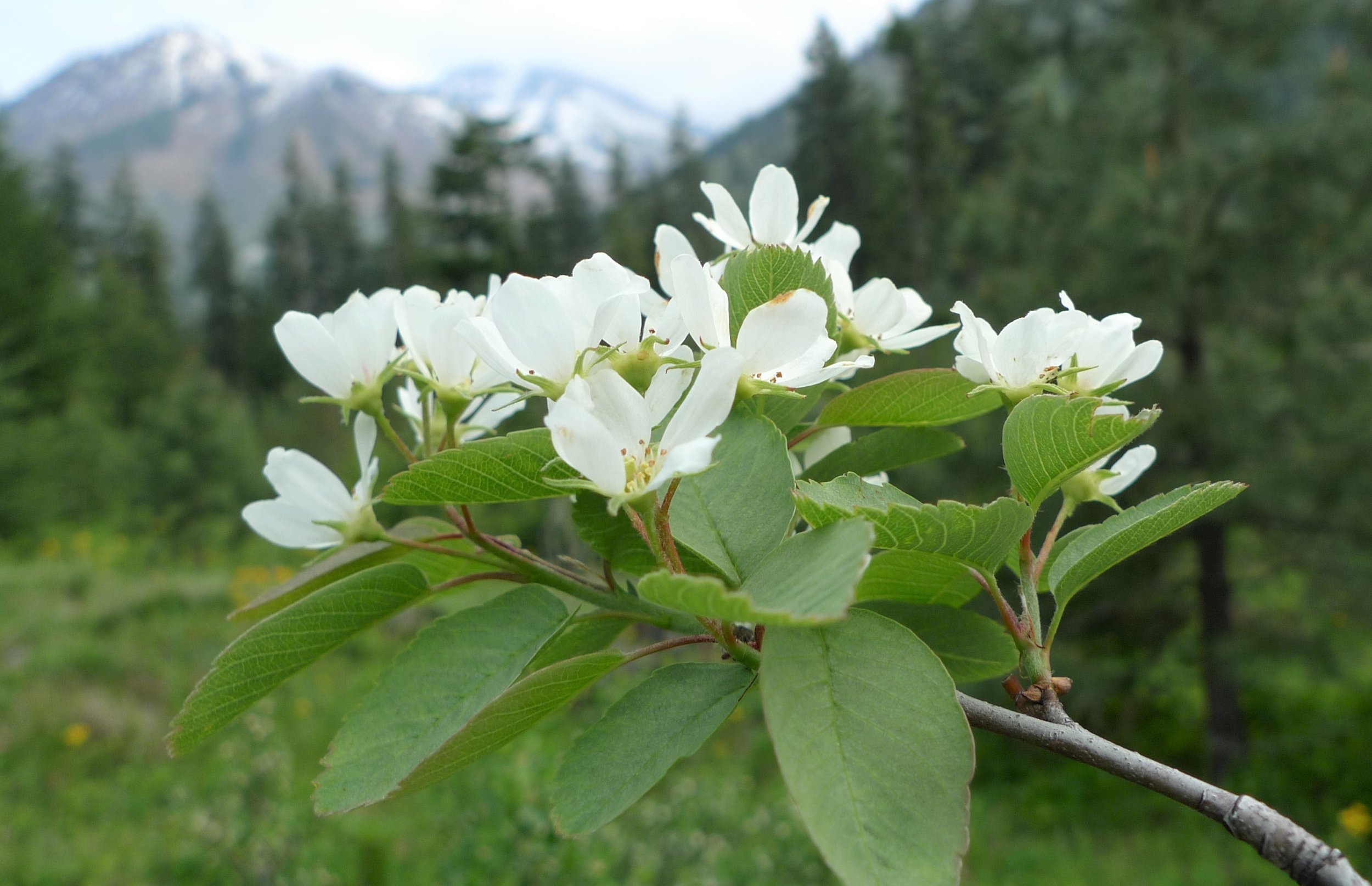
Saskatoon Serviceberry (Amelanchier alnifolia) is a hardy, multi-stemmed shrub known for its sweet, juicy berries, popular in pies and preserves, along with white spring flowers and good fall color. It is highly cold-tolerant and adaptable to a range of soils. It blooms in early-to-mid spring and grows best in full sun to part shade with moderate to dry soil.
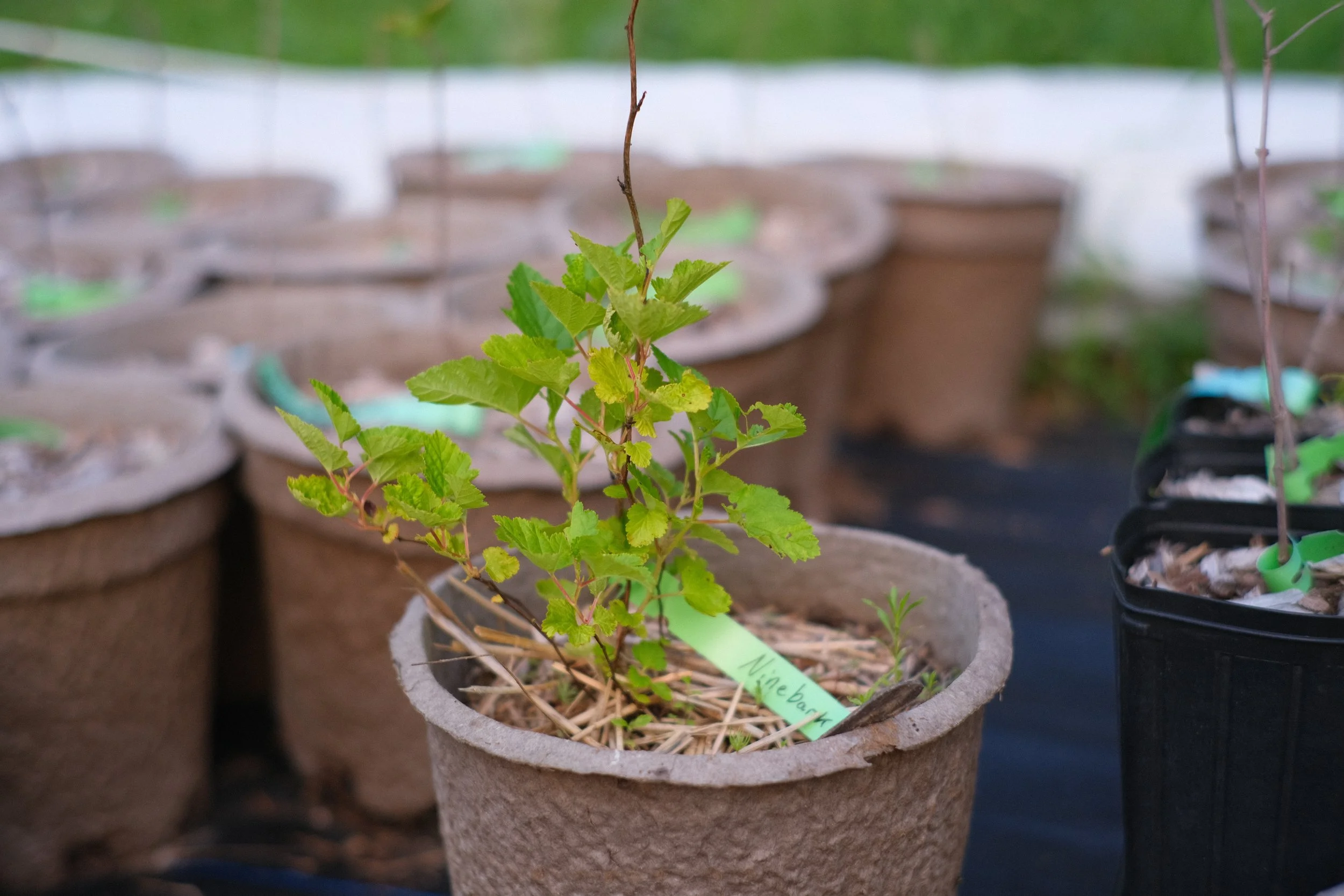
Common Ninebark (Physocarpus opulifolius) is a tough, adaptable native shrub named for its distinctive peeling, multi-layered bark. It produces rounded clusters of white to pink spring flowers and tolerates a wide range of soil and light conditions. It blooms in late spring to early summer and grows best in full sun to part shade with moderate to moist soil.
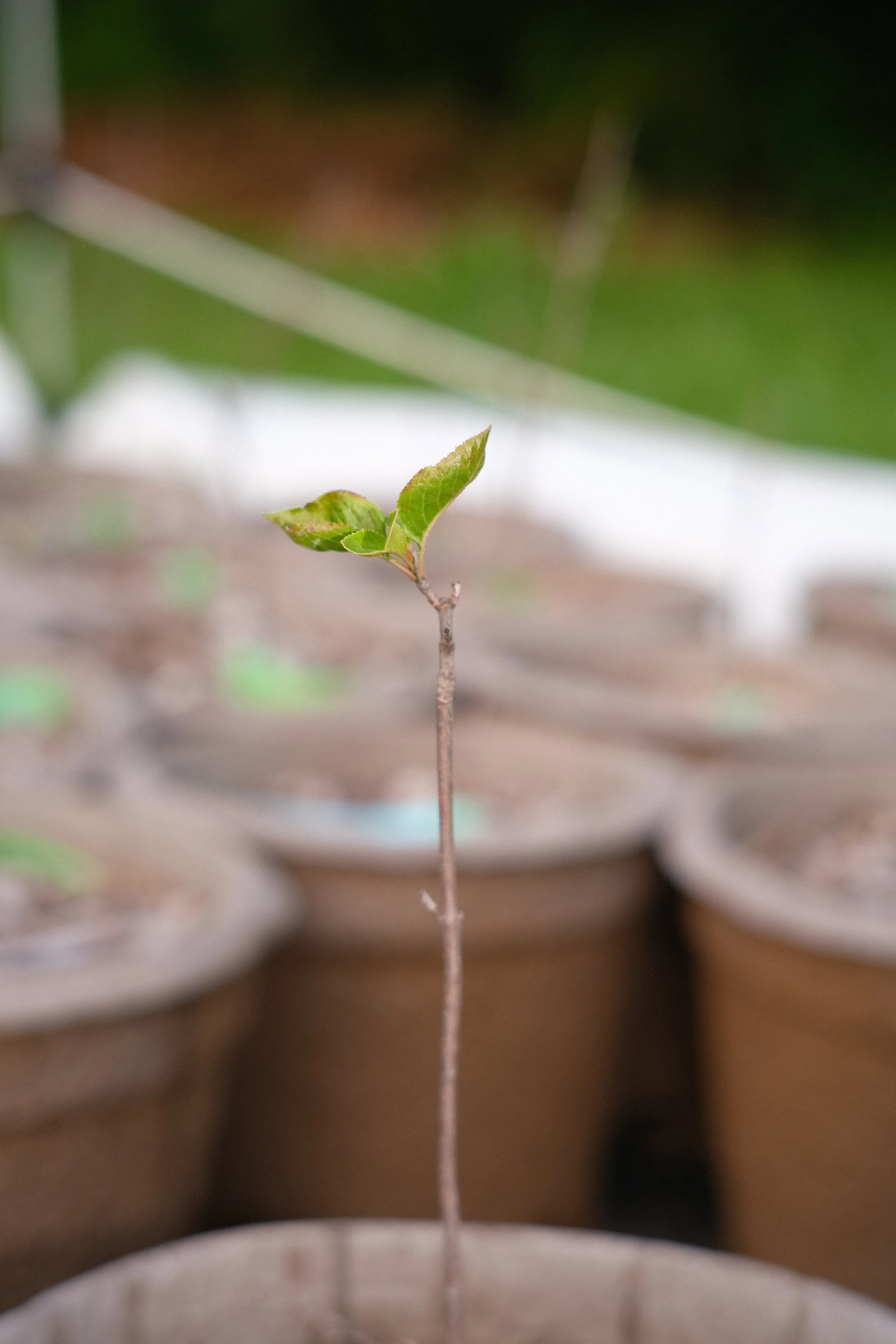
Nannyberry (Viburnum lentago) is a large native shrub or small tree with creamy white spring flower clusters, blue-black fall berries valued by wildlife, and reliable reddish-purple fall color. Its adaptability to varied soils makes it a versatile choice for hedgerows and naturalized plantings. It blooms in late spring and grows best in full sun to part shade with moderate to moist soil.
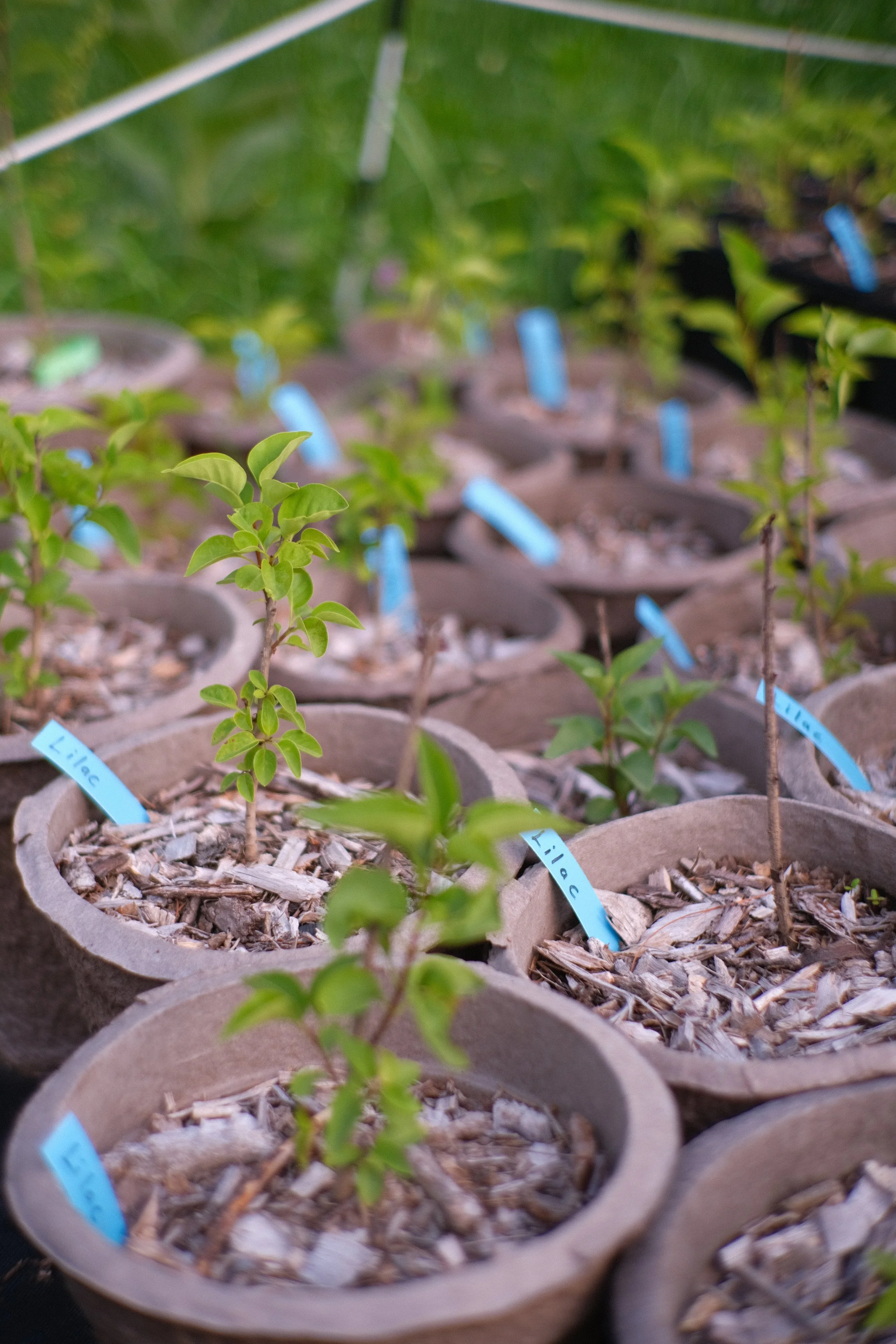
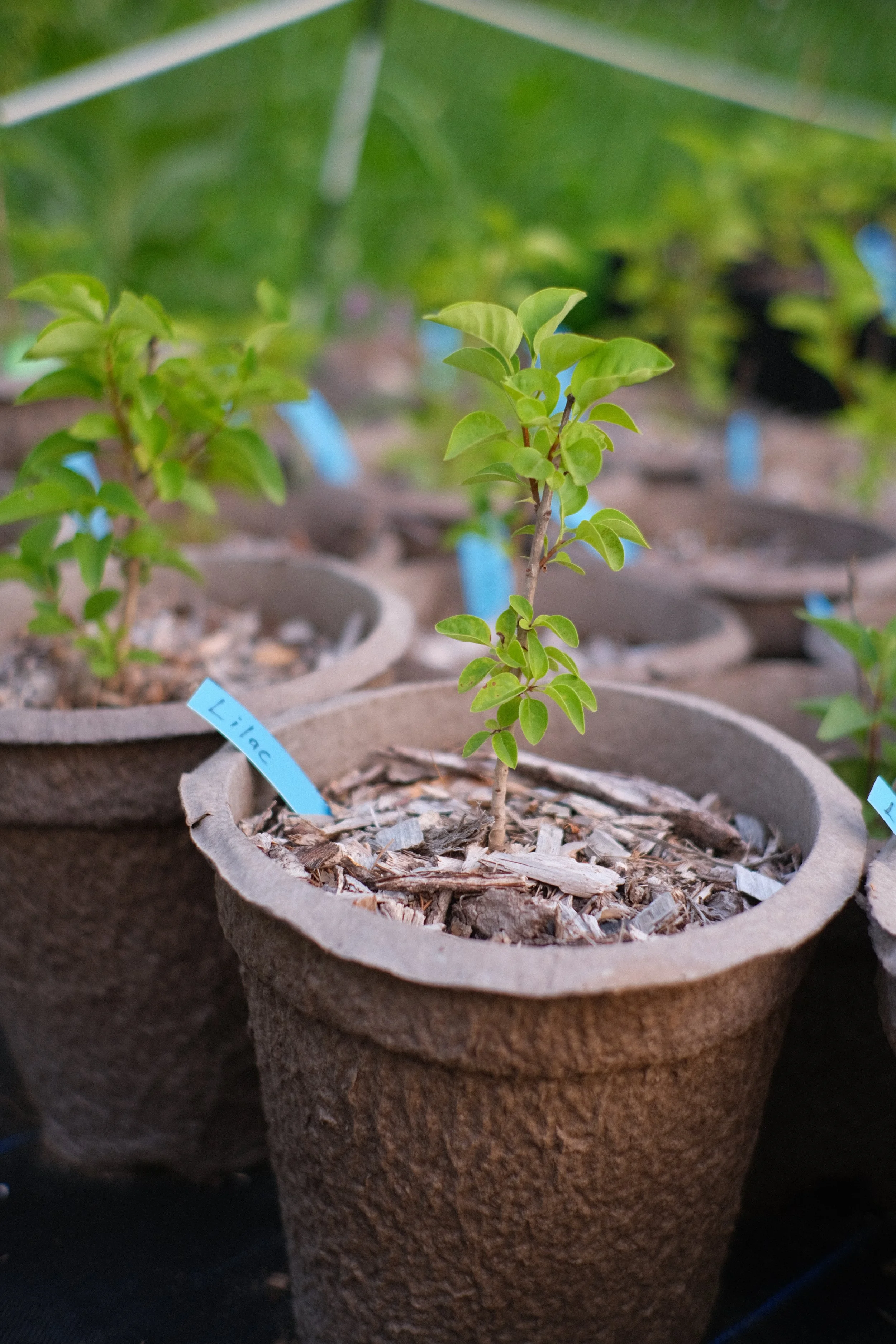
Common Lilac (Syringa vulgaris) is a classic garden shrub beloved for its dense clusters of intensely fragrant purple flowers in mid-spring. Long-lived and low-maintenance, it thrives in full sun and is a staple of cottage and heritage gardens. It blooms in mid-spring and grows best in full sun with well-drained, moderately moist soil.
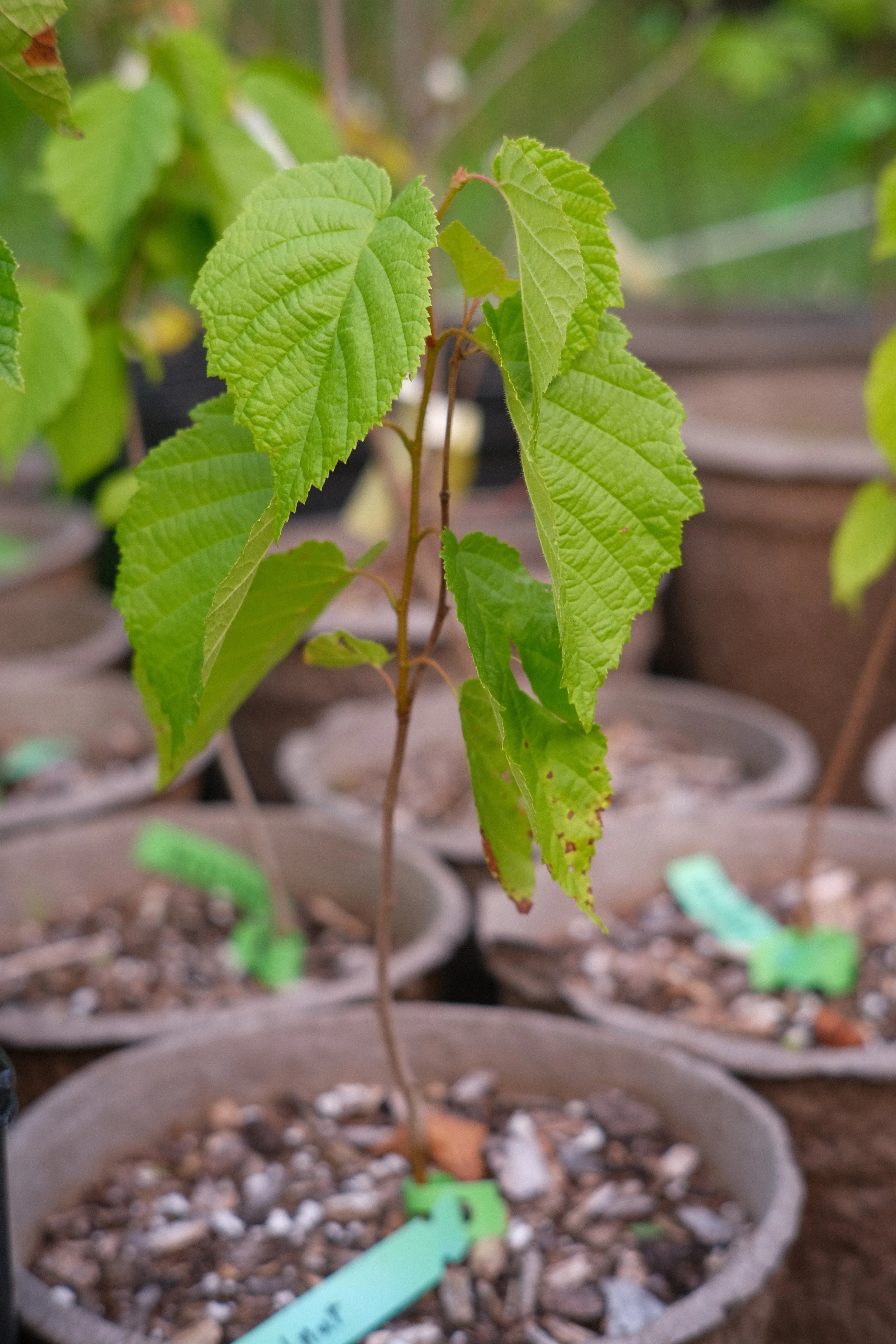
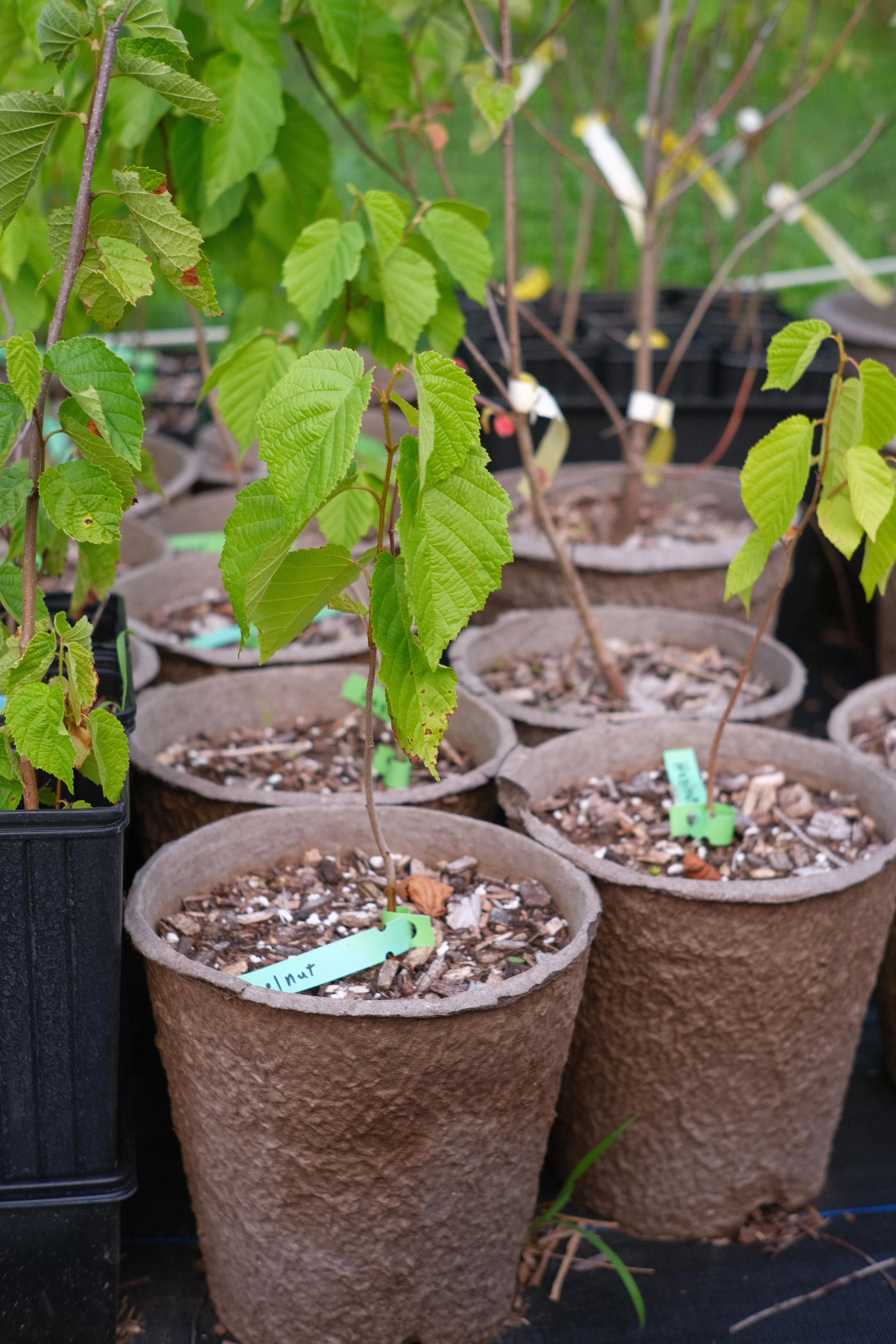
American Hazelnut (Corylus americana) is a native multi-stemmed shrub that produces edible nuts in late summer, prized by both people and wildlife. It thrives as an understory planting or hedgerow shrub and offers attractive yellow fall foliage. It blooms in late winter to early spring via drooping catkins, and grows best in full sun to part shade with well-drained, moderately moist soil.
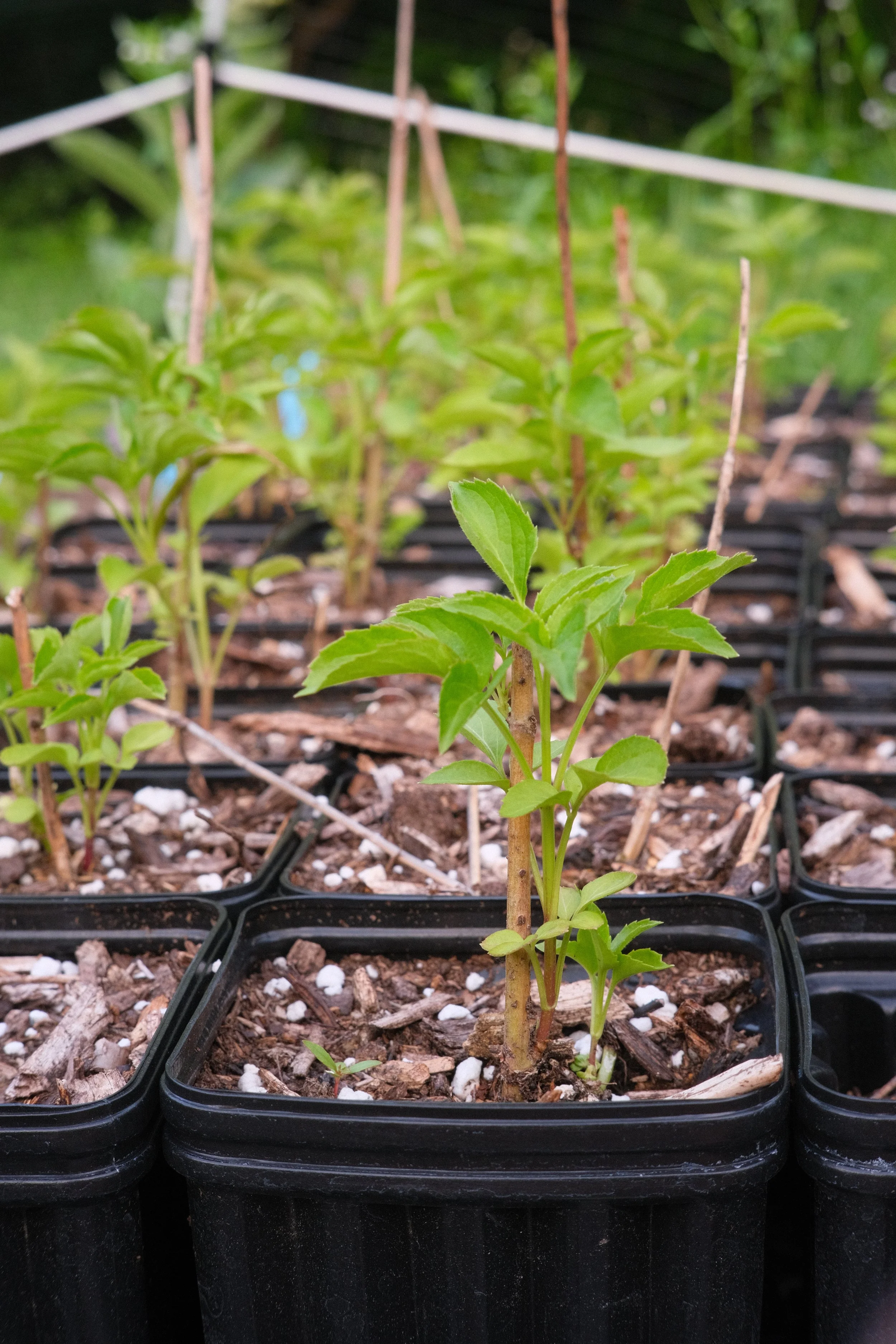
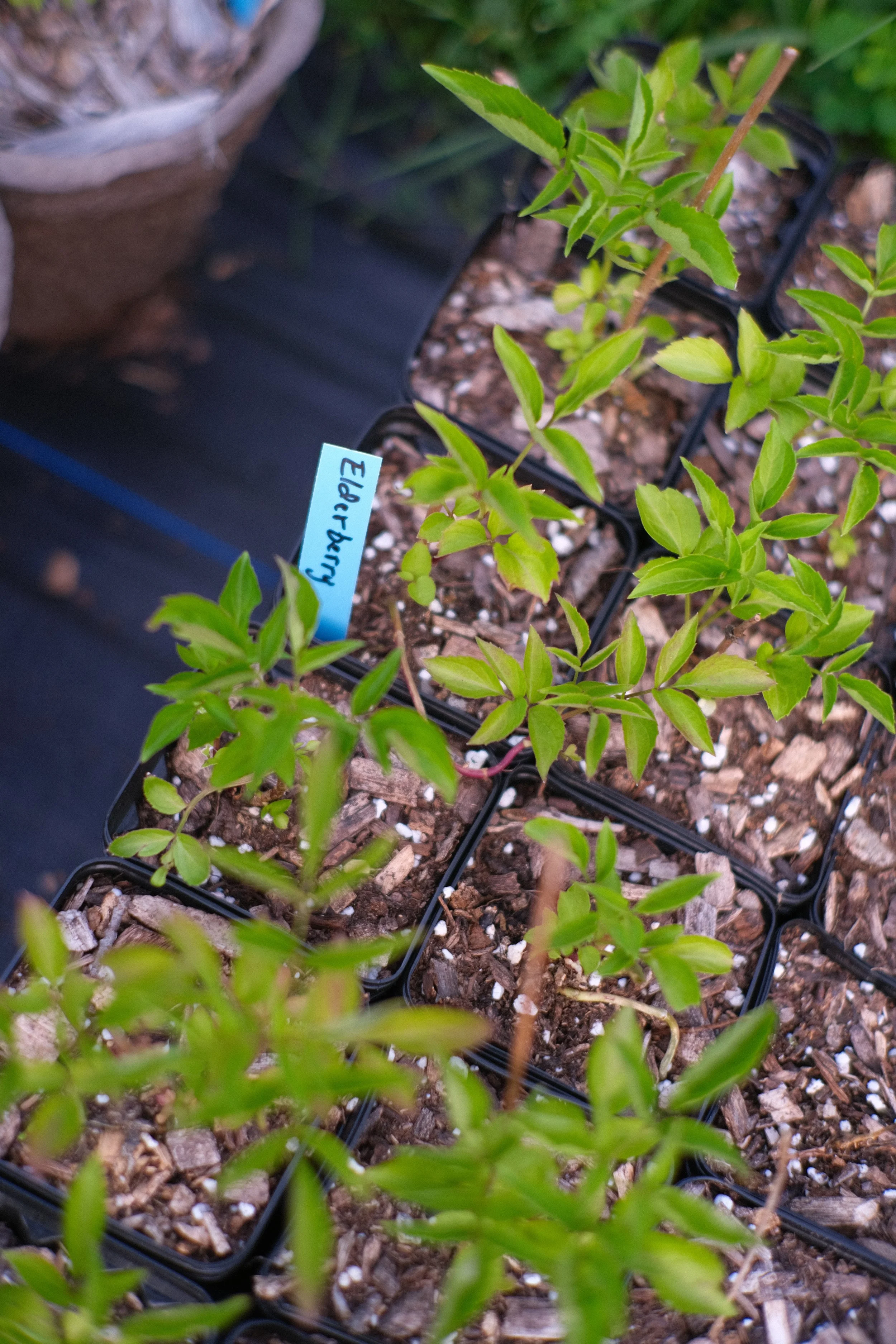
American Elderberry (Sambucus canadensis) produces large, flat-topped clusters of white flowers in summer followed by dark purple berries widely used for syrups, jams, and wine. It is a fast-growing, adaptable native shrub that thrives in moist soils and full to part sun. It blooms in early-to-mid summer and grows best in full sun to part shade with moist, fertile soil.
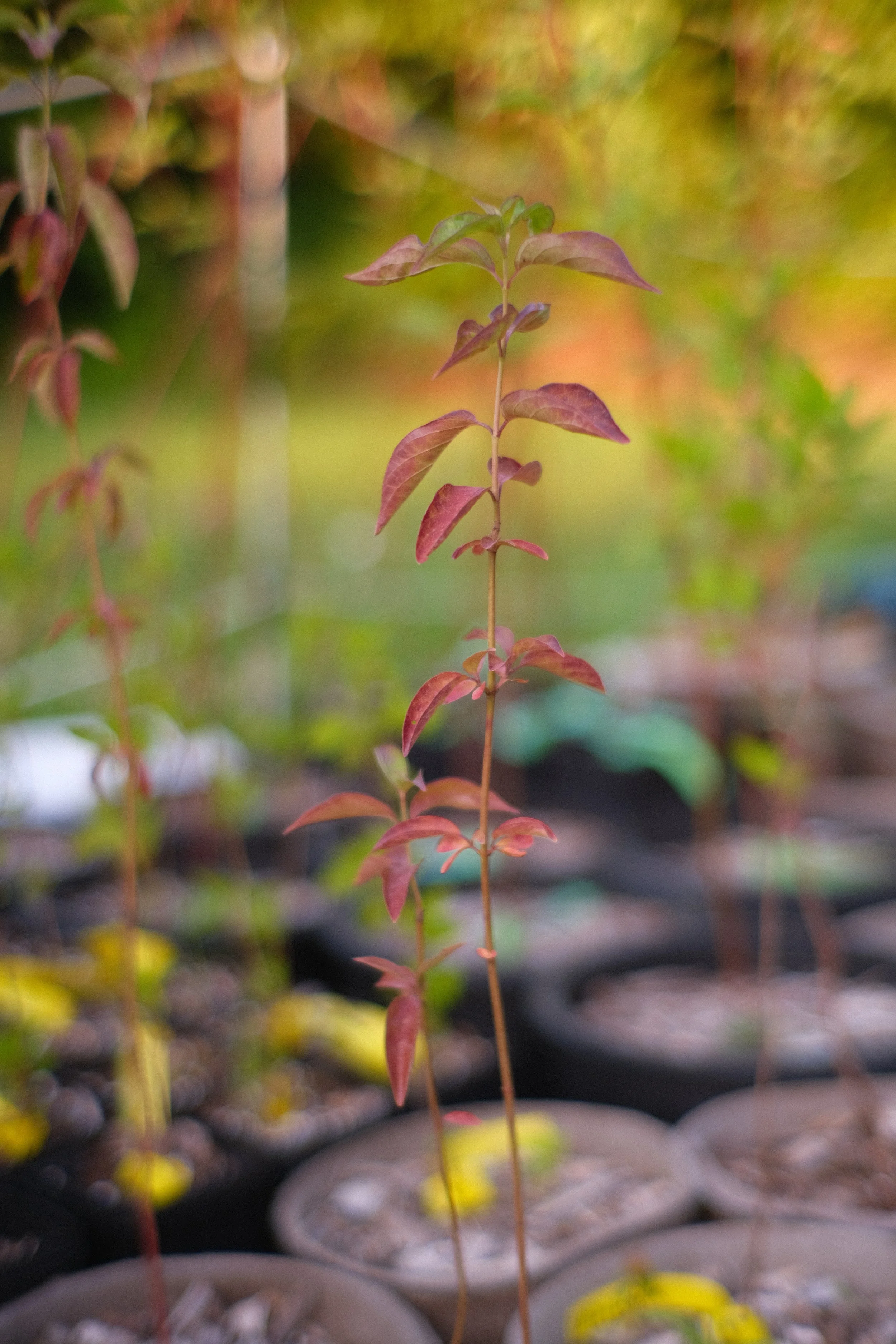
Silky Dogwood (Cornus amomum) is a native wetland shrub with clusters of white spring flowers followed by blue berries favored by birds. Its reddish stems and tolerance for wet soils make it a good choice for streambanks and rain gardens. It blooms in late spring to early summer and grows best in full sun to part shade with wet to consistently moist soil.
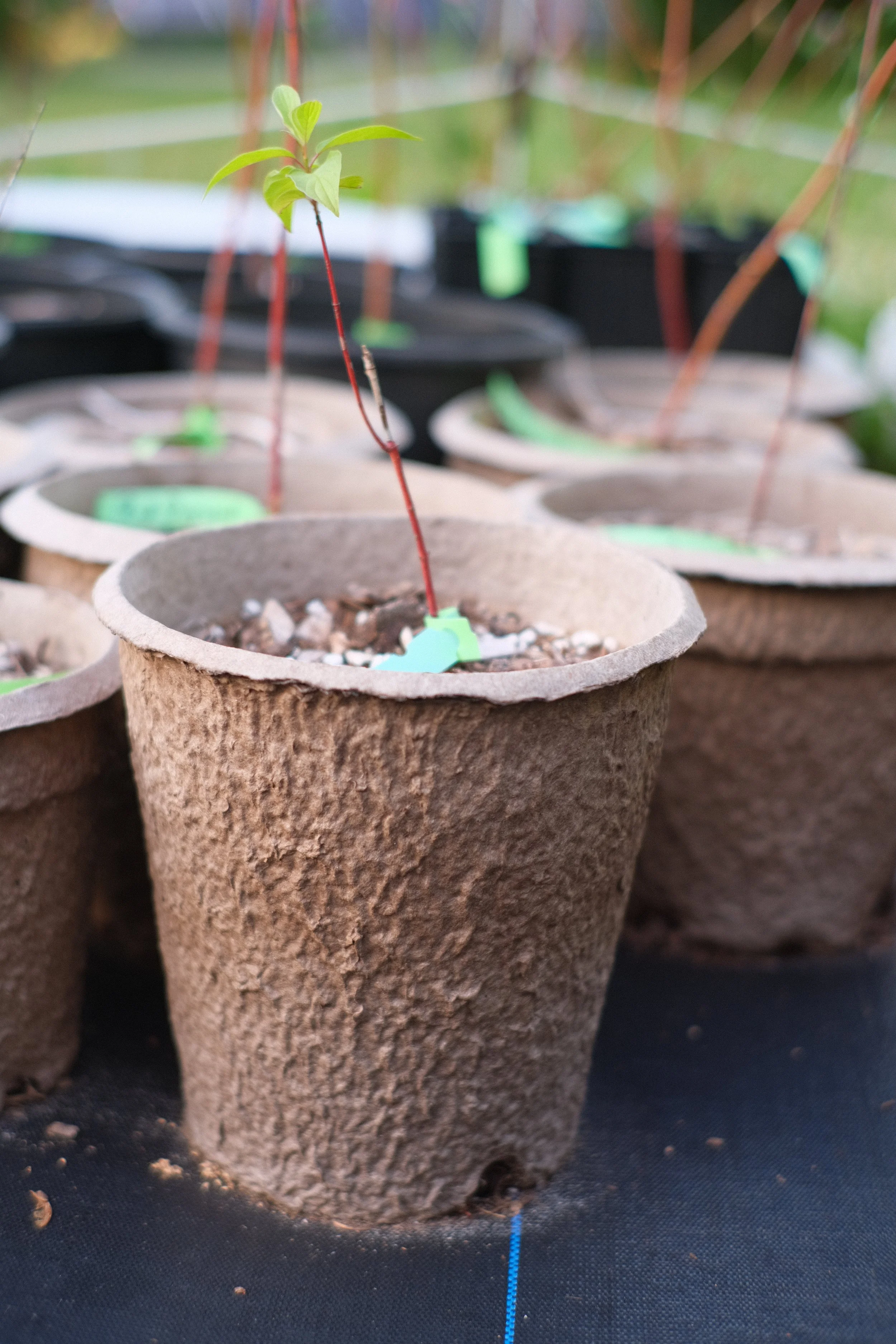
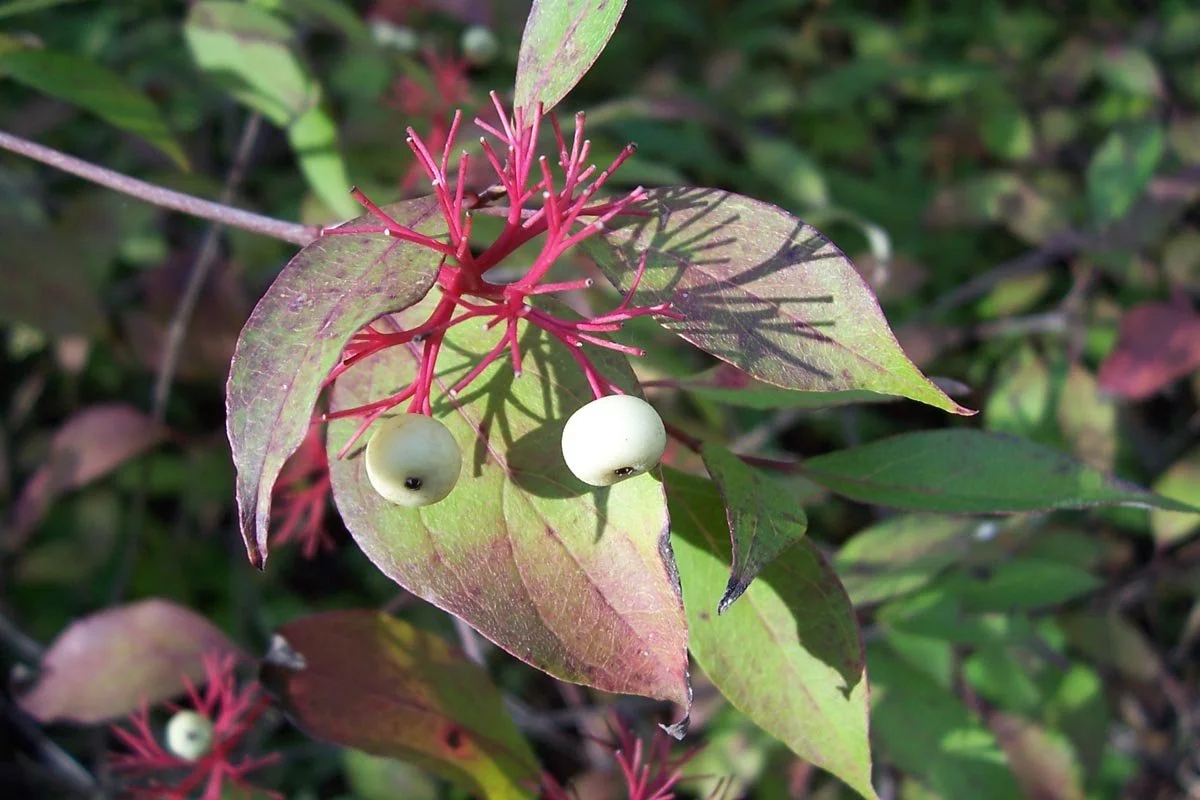
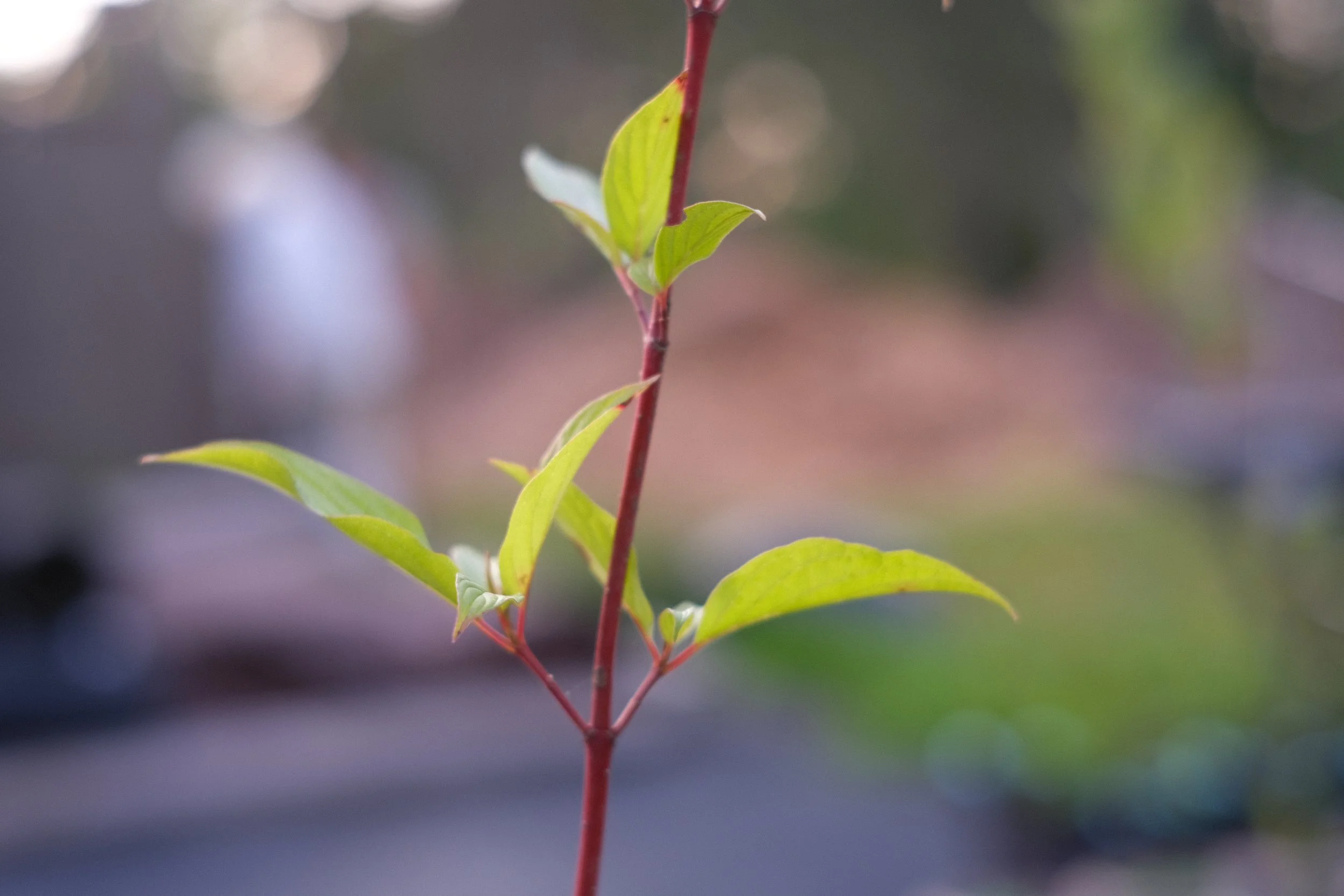
Red Osier Dogwood (Cornus sericea) is best known for its brilliant red stems that provide striking winter color, especially against snow. This native wetland shrub also produces white flowers, blue-white berries for wildlife, and spreads readily to stabilize wet soils. It blooms in late spring to early summer and grows best in full sun to part shade with wet to consistently moist soil.
Red Chokeberry (Aronia arbutifolia) offers white spring blooms, bright red persistent berries, and outstanding fall color in shades of red and purple. It is adaptable to both wet and dry soils and provides excellent winter interest and wildlife food. It blooms in late spring and grows best in full sun to part shade, adapting well to both moist and wet soils.
Black Chokeberry (Aronia melanocarpa) is a hardy native shrub with clusters of white spring flowers, glossy dark berries prized for their high antioxidant content, and vivid red fall foliage. It adapts to a wide range of soil conditions, including wet sites. It blooms in late spring and grows best in full sun to part shade, adapting well to both moist and wet soils.
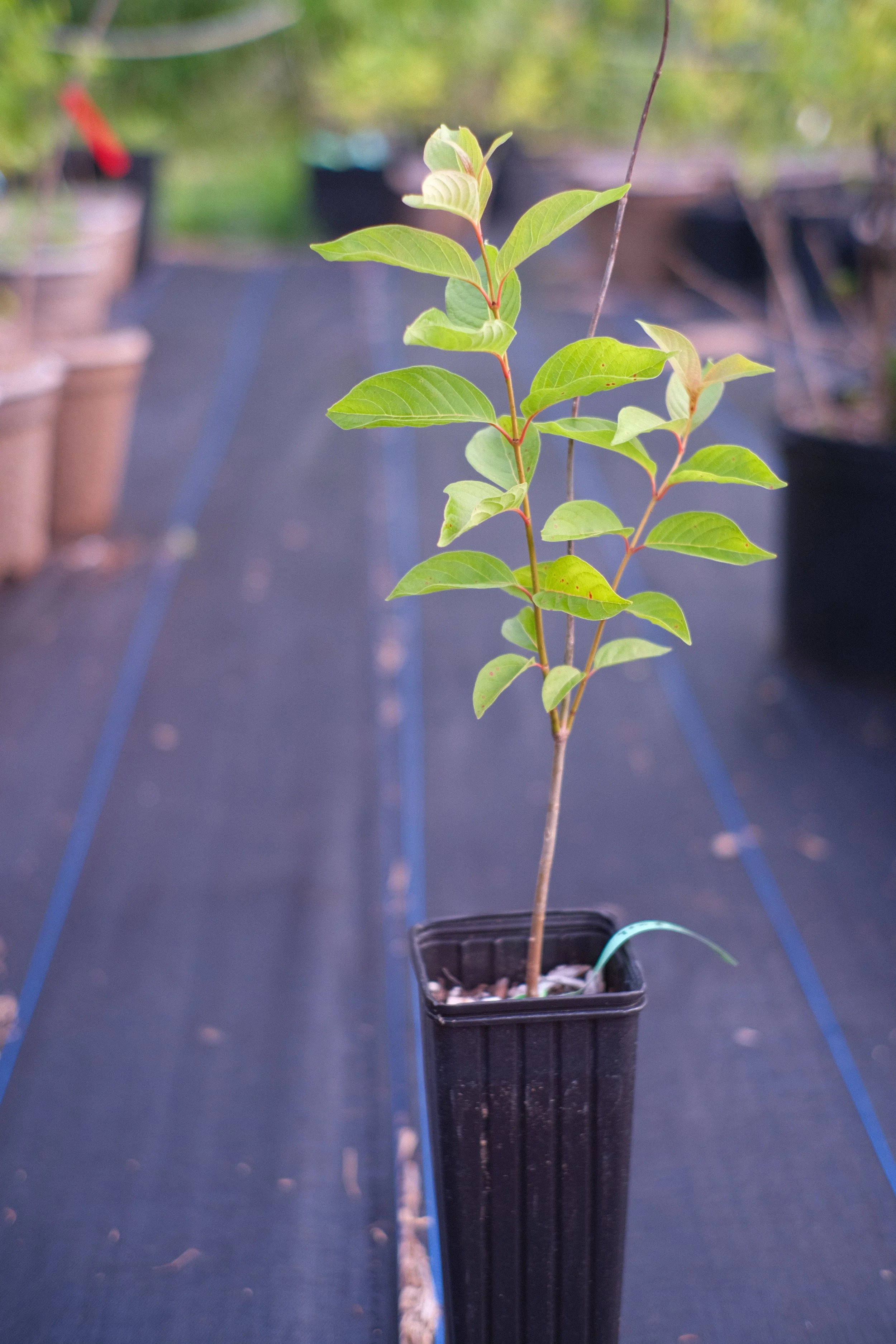
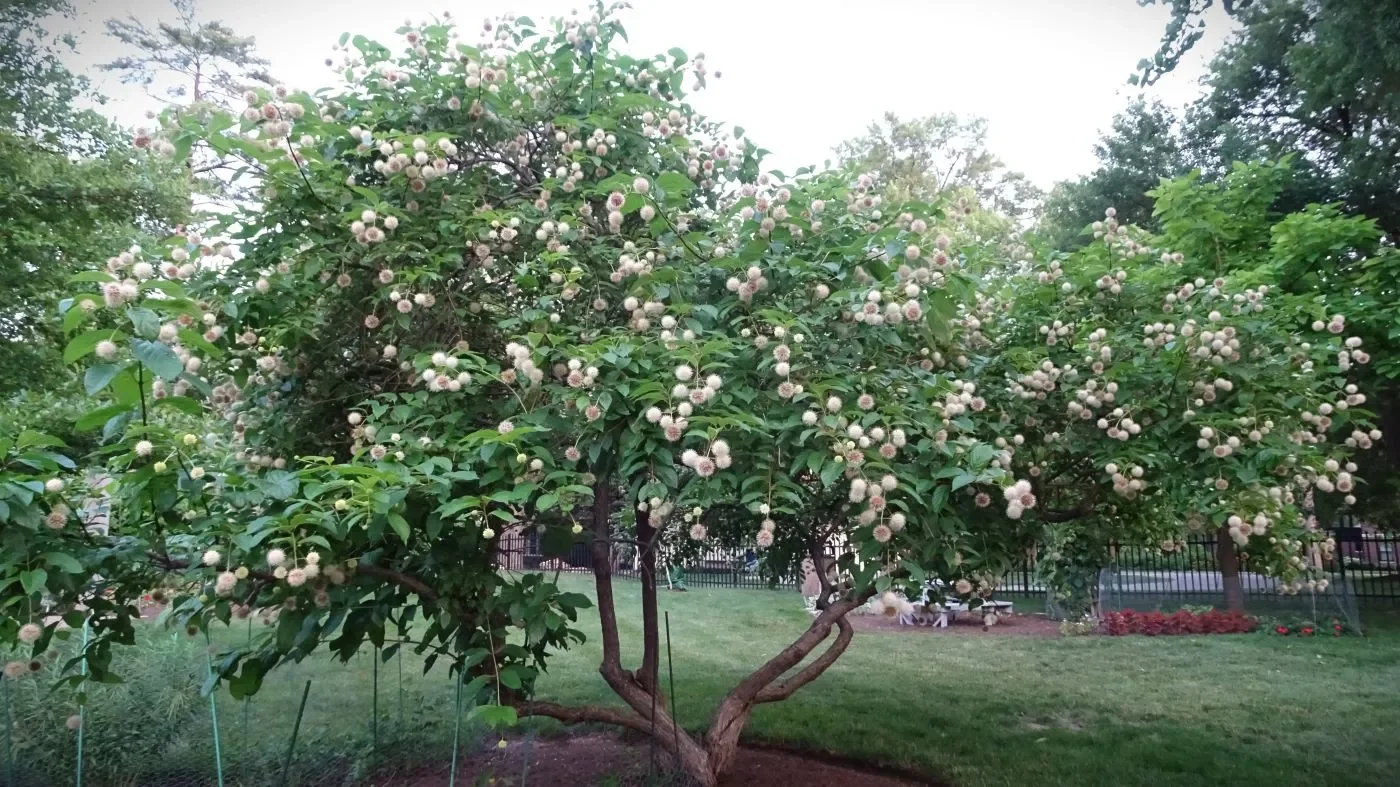
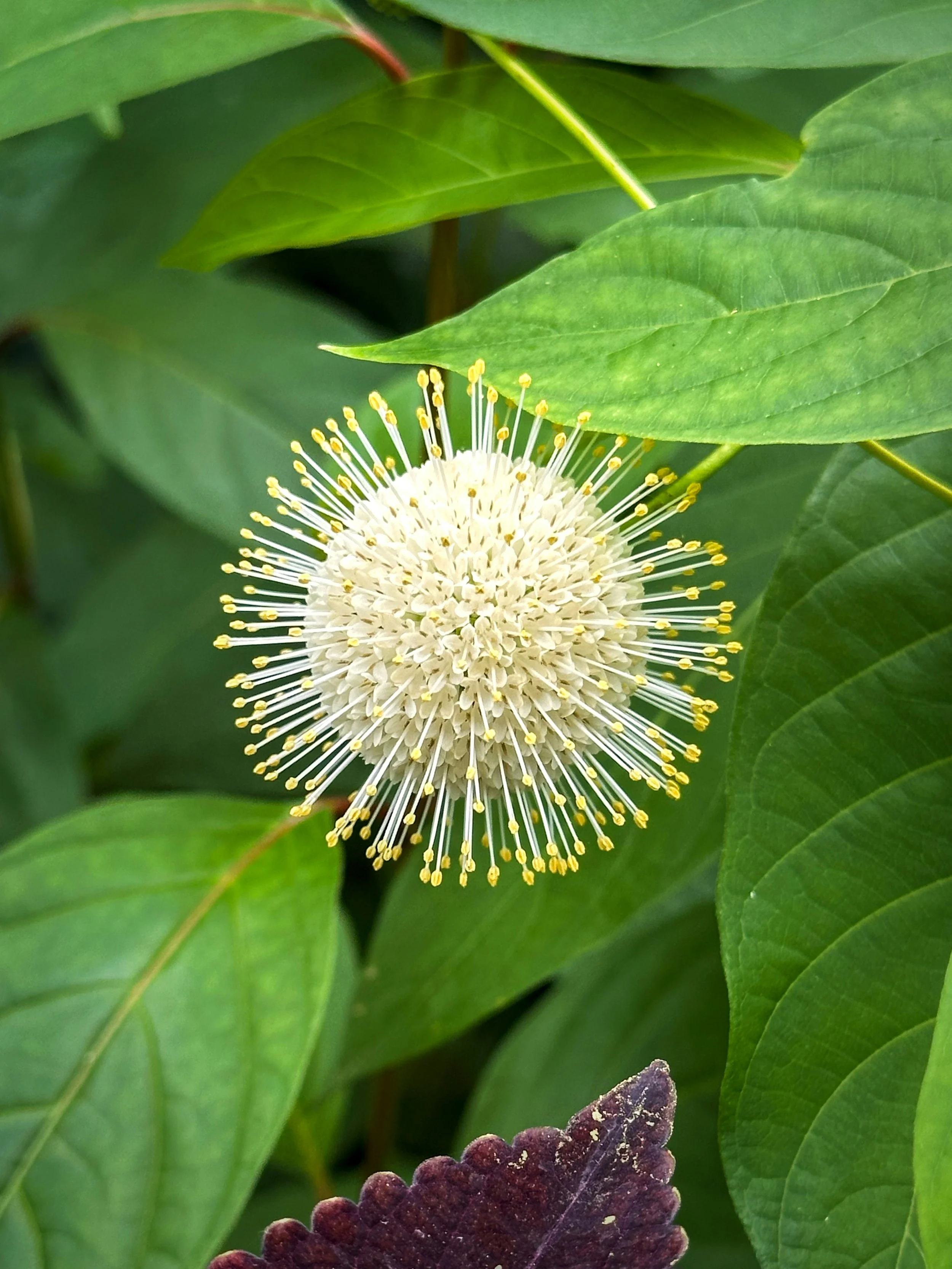
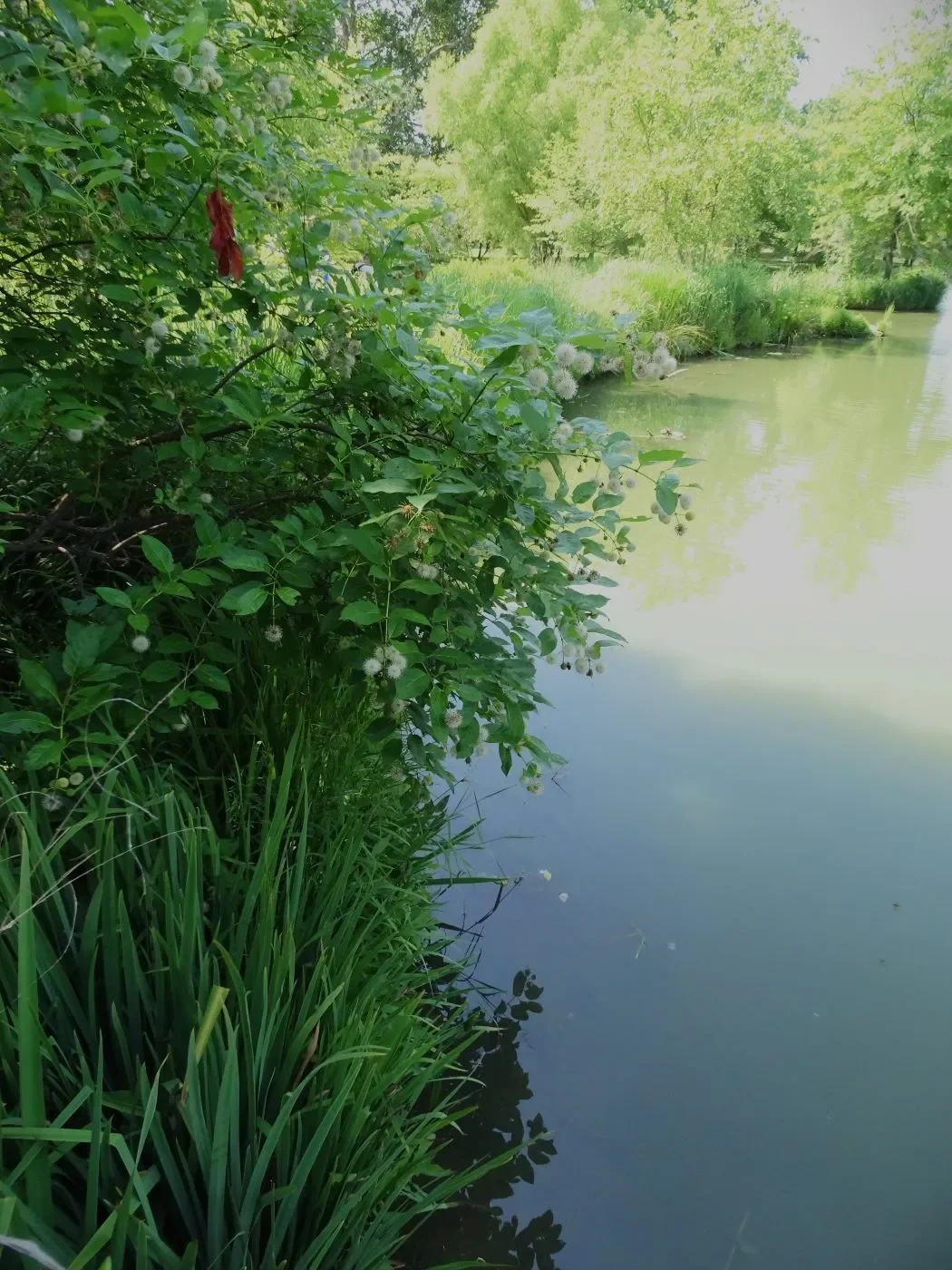
Buttonbush (Cephalanthus occidentalis) is a native wetland shrub named for its unusual spherical, pincushion-like white flower clusters that bloom in summer and are a magnet for pollinators. Colorful blossoms and pleasant fragrance, a nice addition to wet locations. Typically grows 6-12’ tall and 5-8’ wide. Nice replacement for invasive honeysuckle, and helps provide a privacy screen. If not tended, can grow into a dense thicket, but can be pruned and trained as needed.
It thrives in wet soils and is a great choice for rain gardens and pond edges. It blooms in mid-to-late summer and grows best in full sun to part shade with wet to consistently moist soil. Native to most of the lower 48 States, Zones 4-9.
Highly valued by bees, butterflies, hummingbirds, and waterfowl that eat the persistent winter seed heads. Has a sweet scent and prolific blooms – it is a magnet for wildlife! The spherical white flowers are a favorite among honeybees and bumblebees. Moths, bees, and butterflies flock to Buttonbush for its nectar. Waterfowl, mallards, and other birds eat the fruit and seeds. In their native environment, wood ducks commonly use the plant’s structure for the protection of brooding nests.
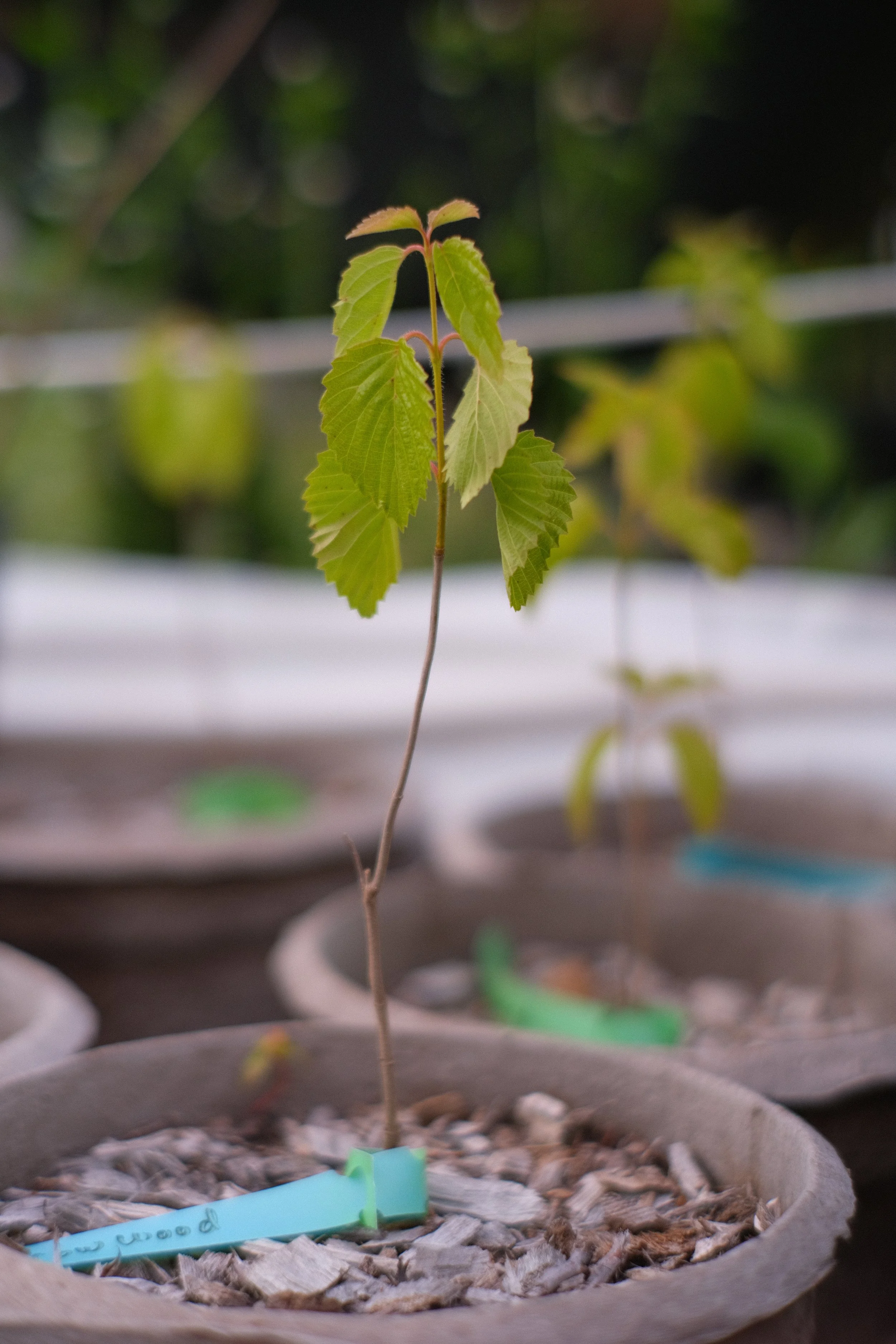
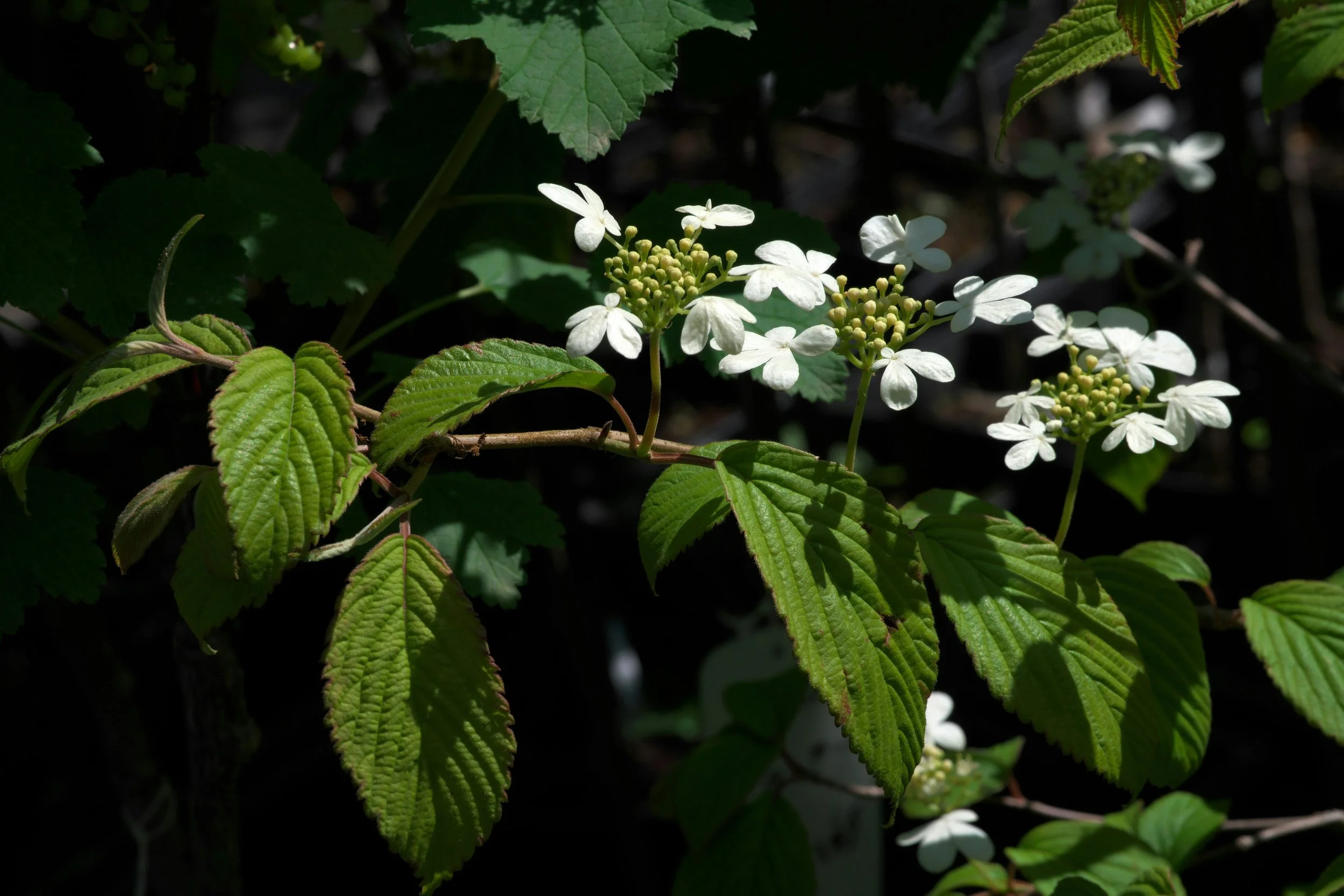
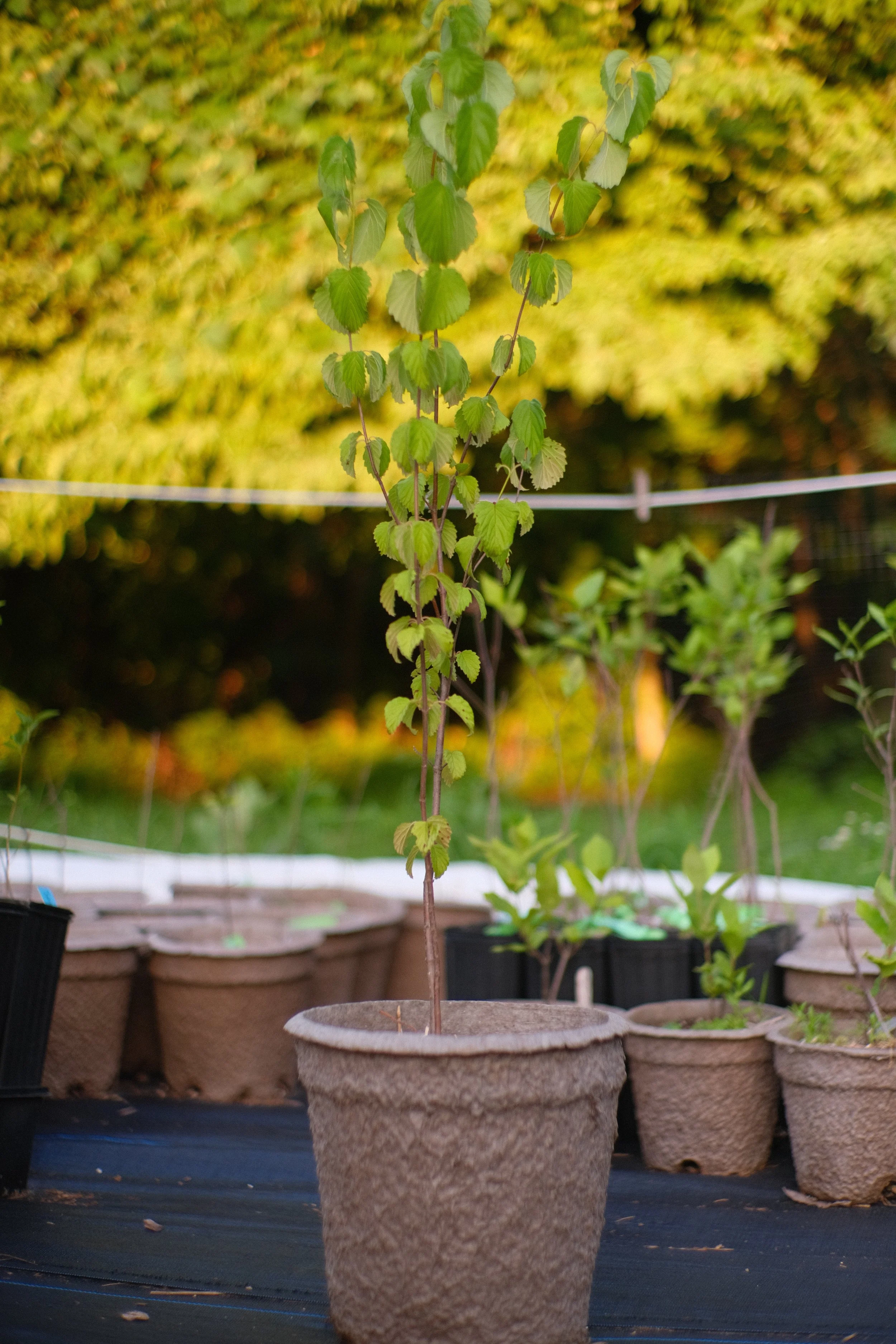
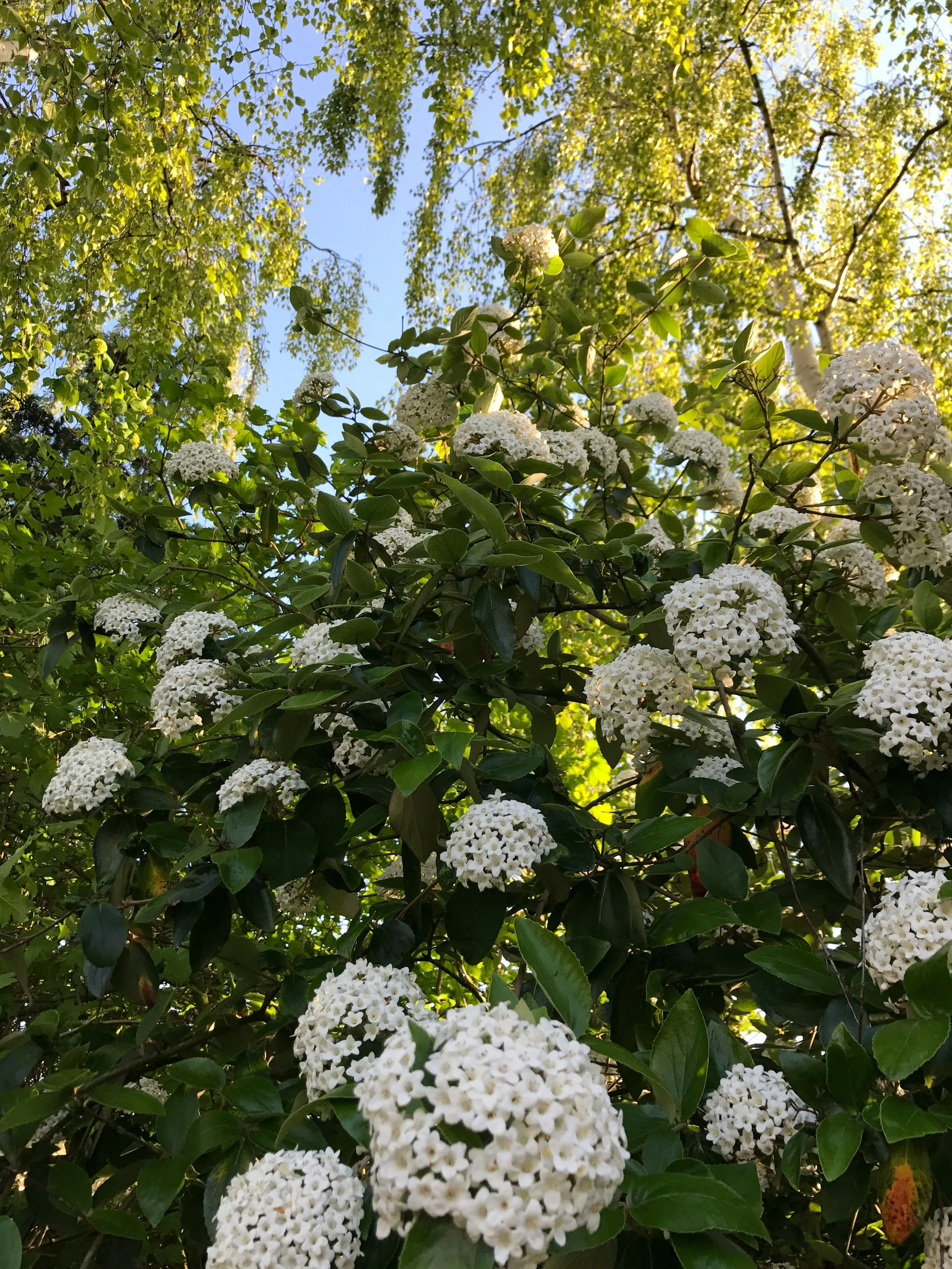
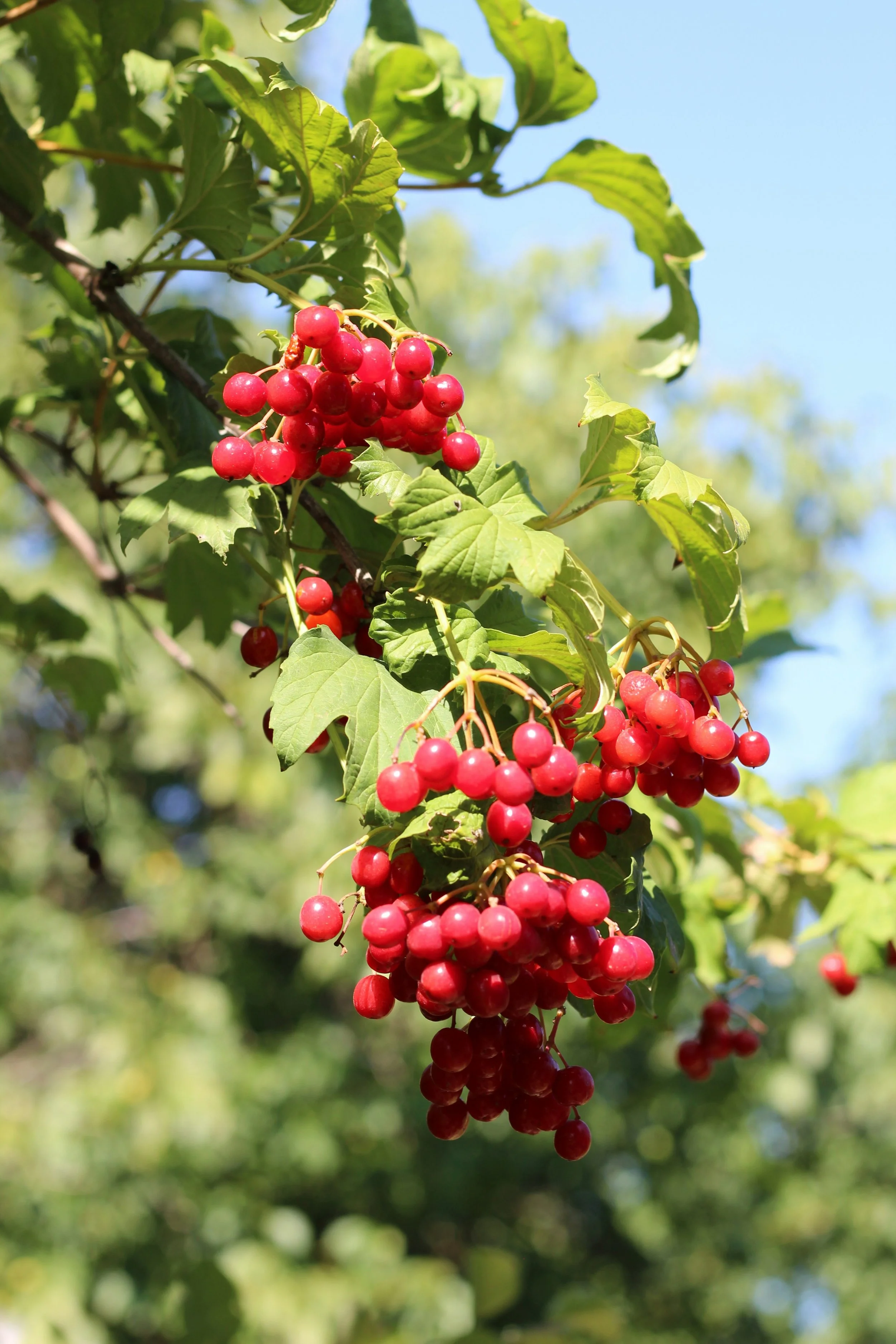
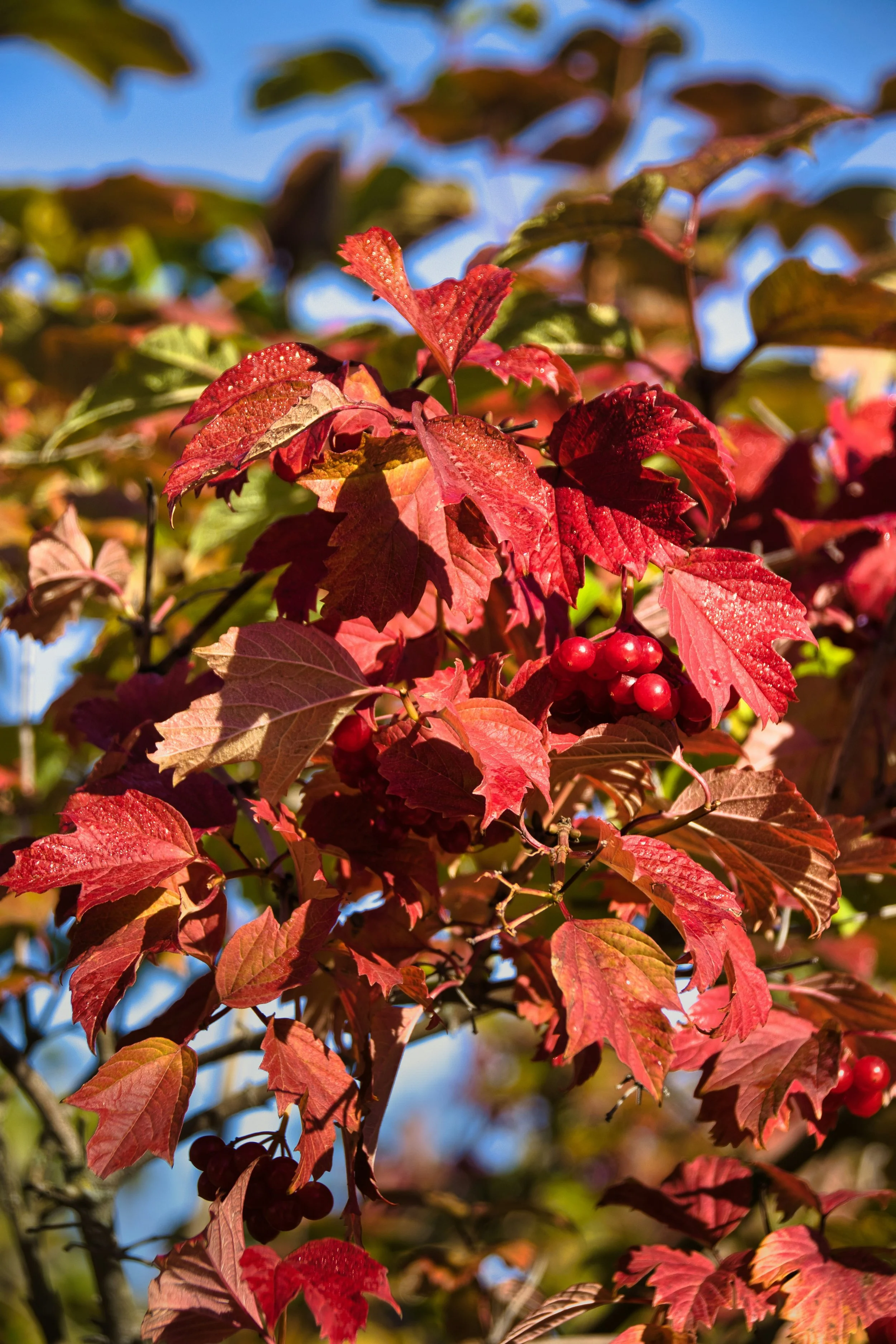
Arrowwood Viburnum (Viburnum dentatum) is a versatile native shrub with clusters of white spring flowers followed by blue-black berries that are highly attractive to birds. Its dense, upright habit makes it a popular choice for hedgerows, screening, and pollinator gardens. It blooms in late spring to early summer and grows best in full sun to part shade with moderate to moist, well-drained soil.
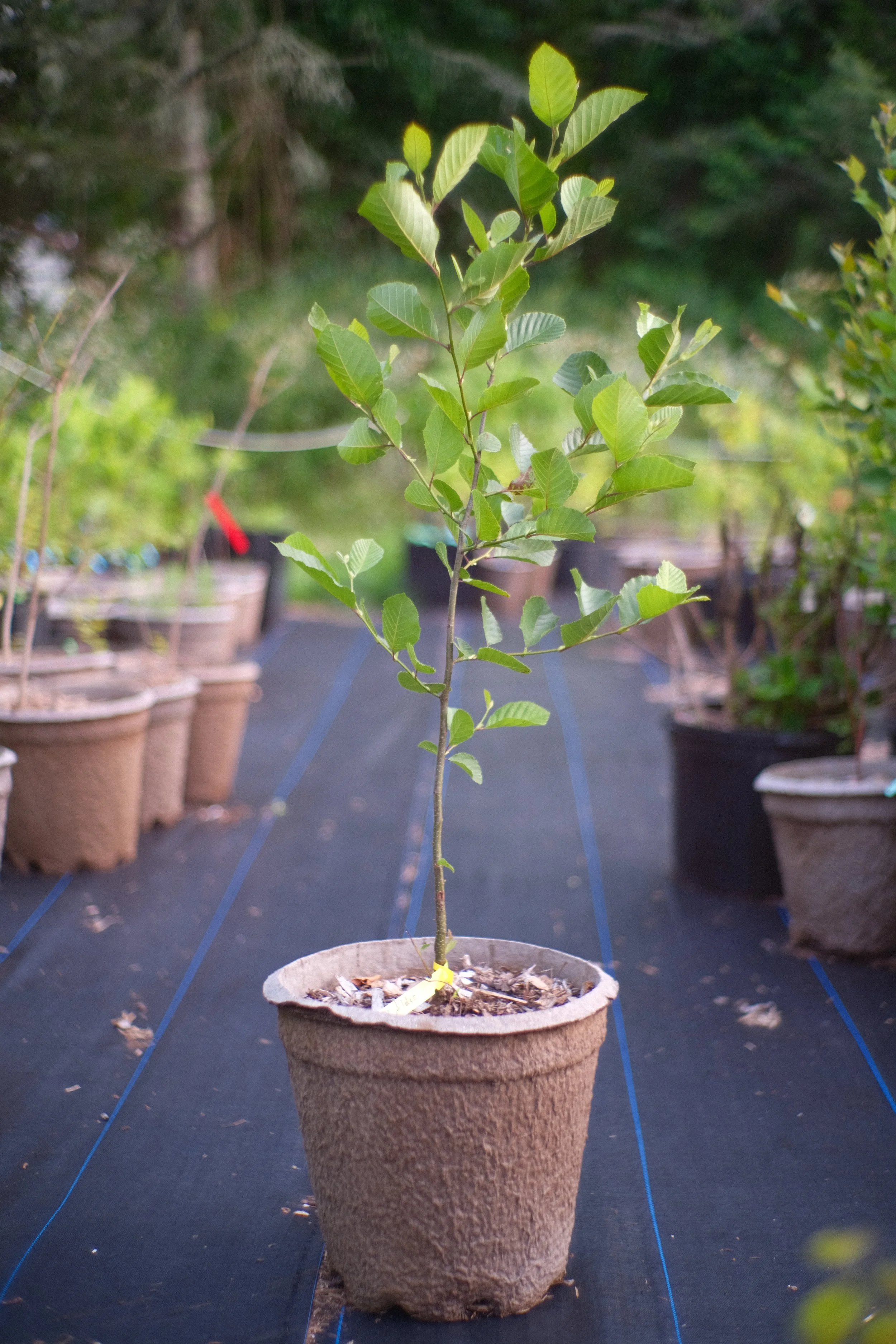
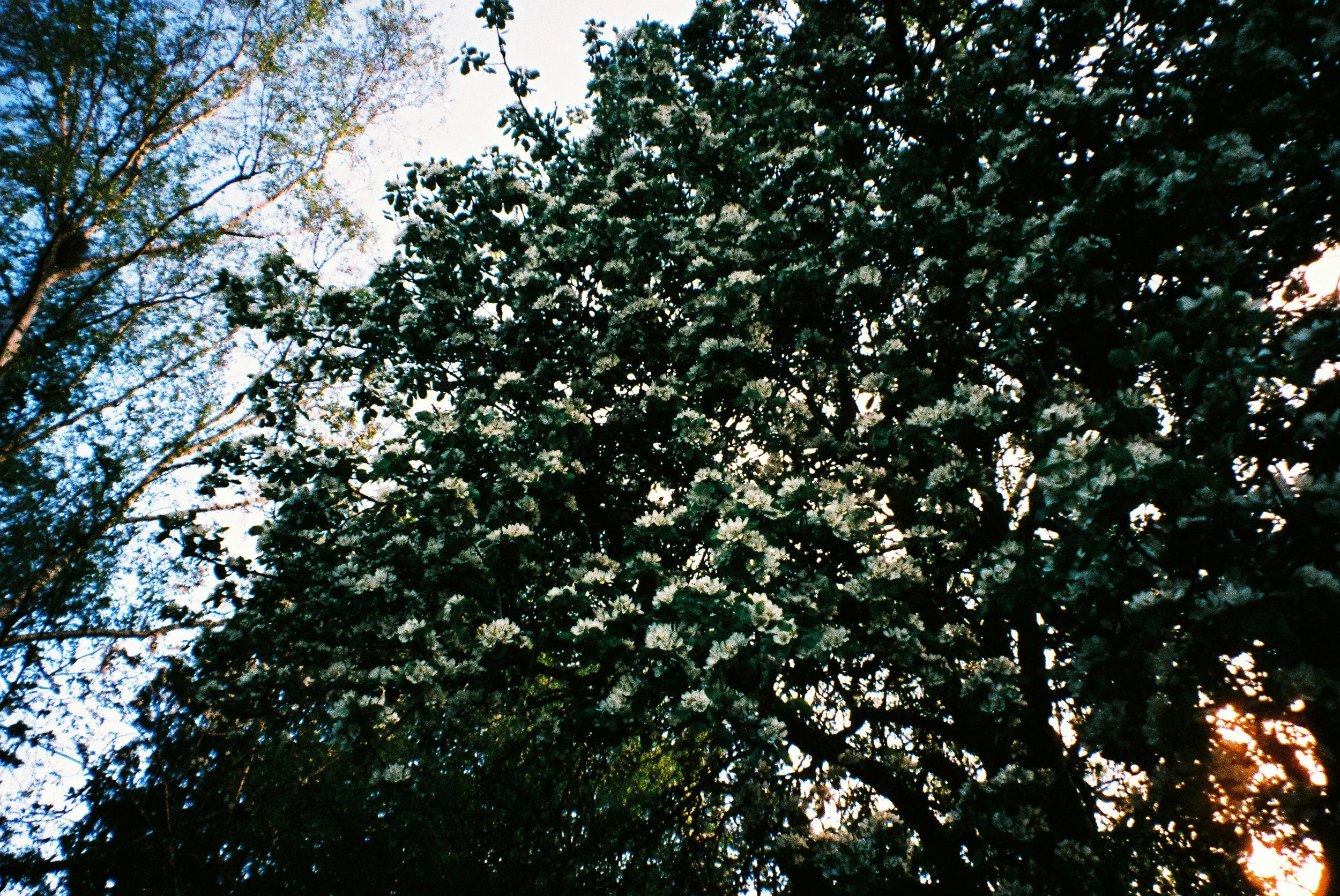
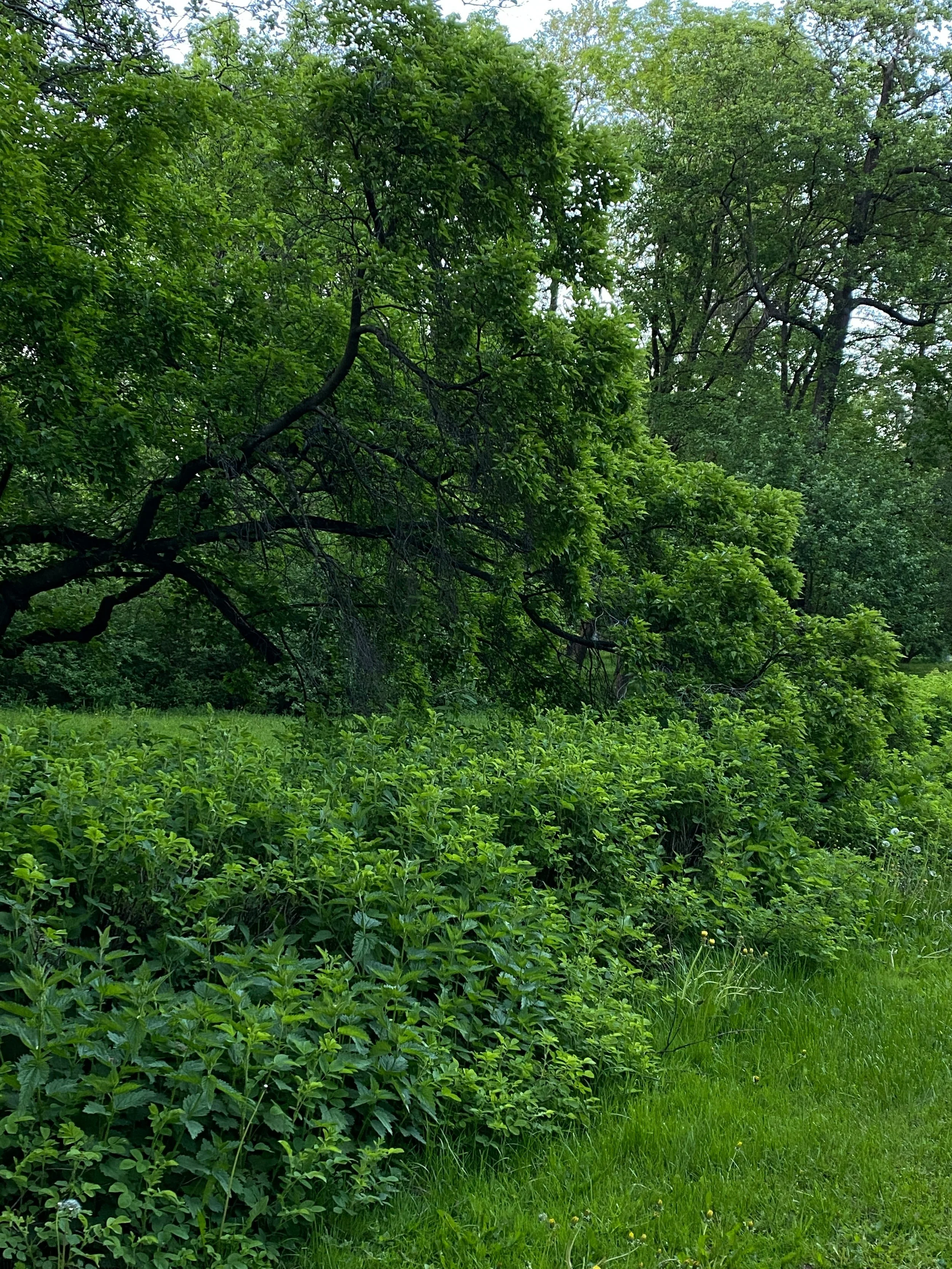
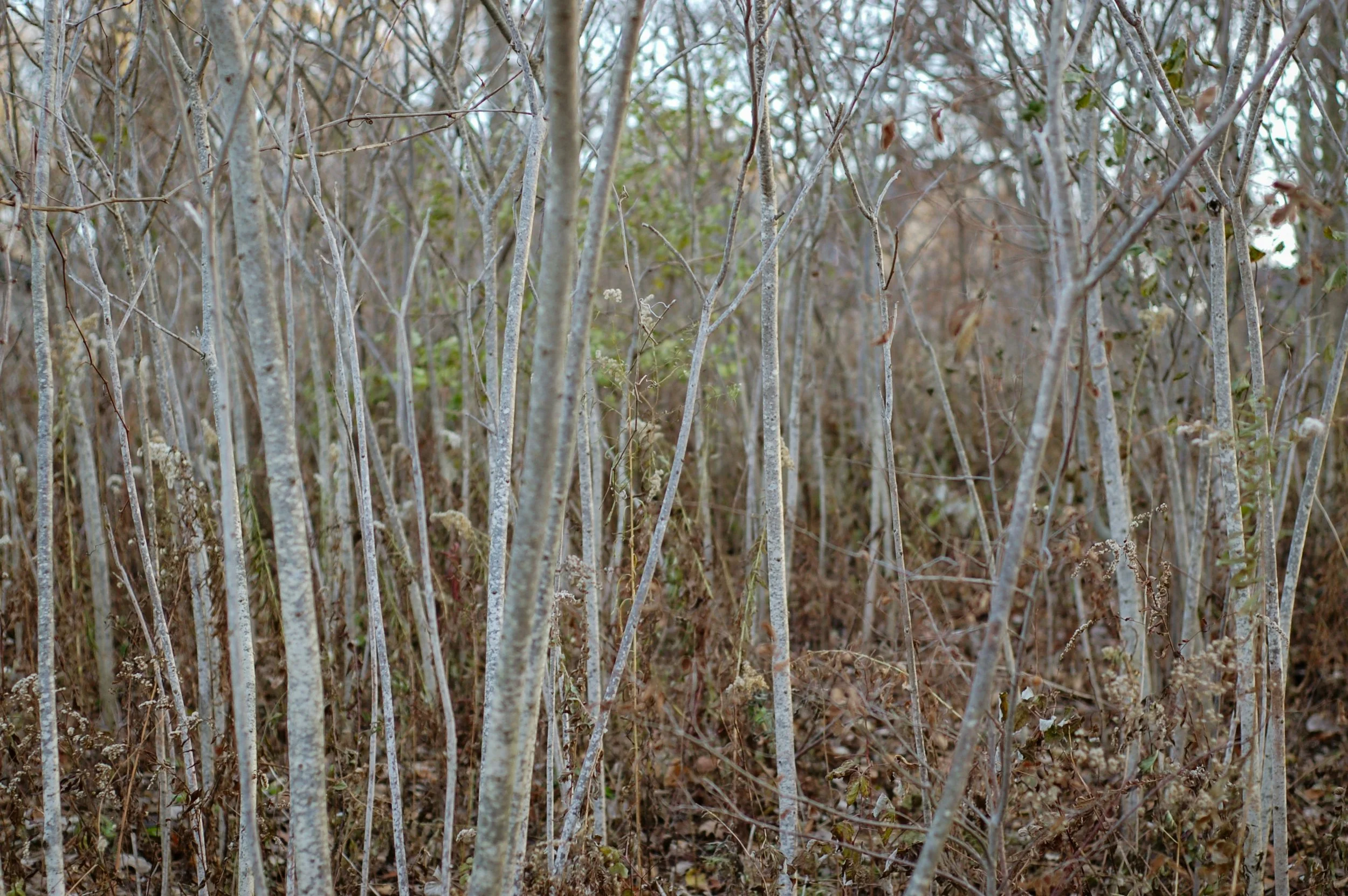
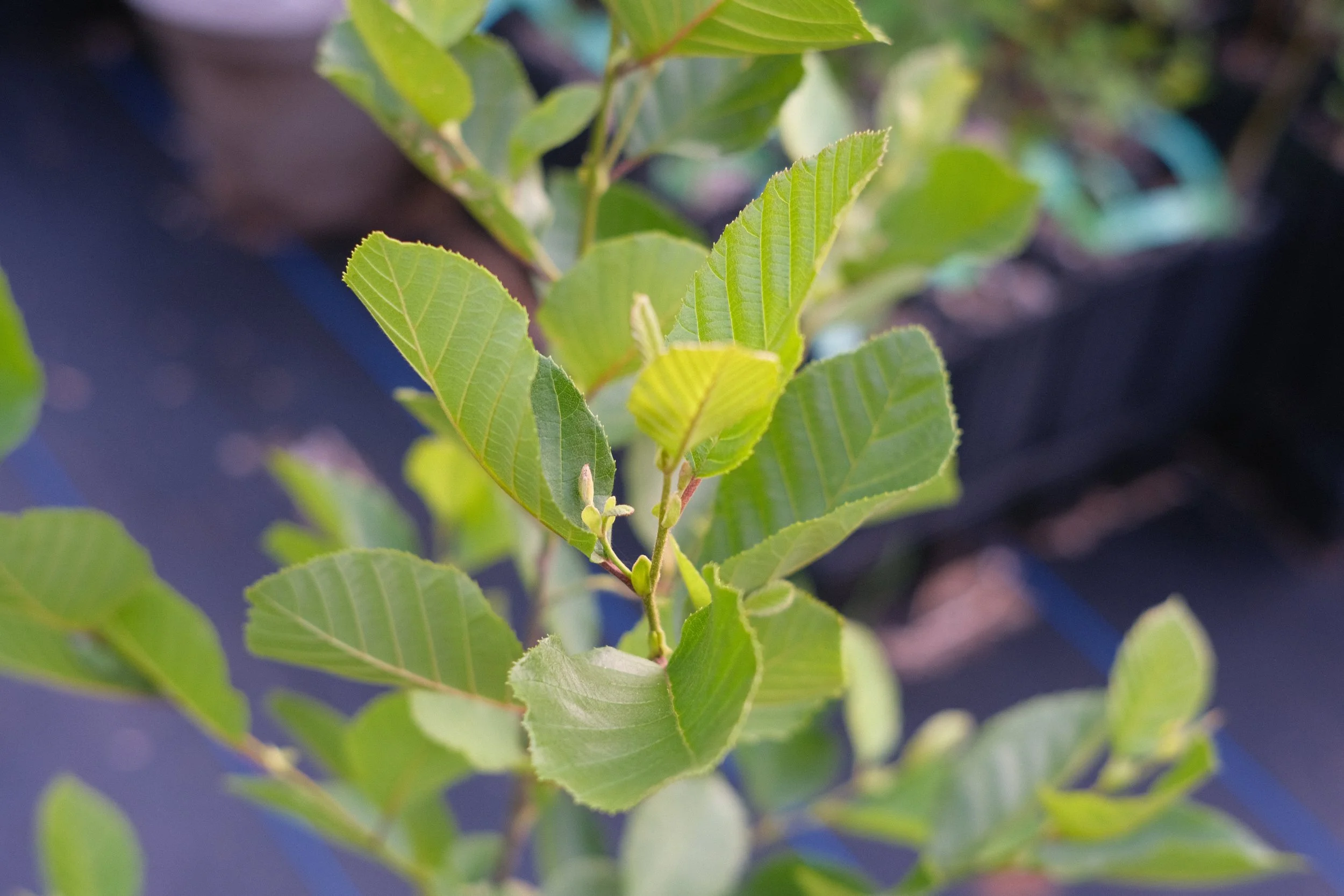
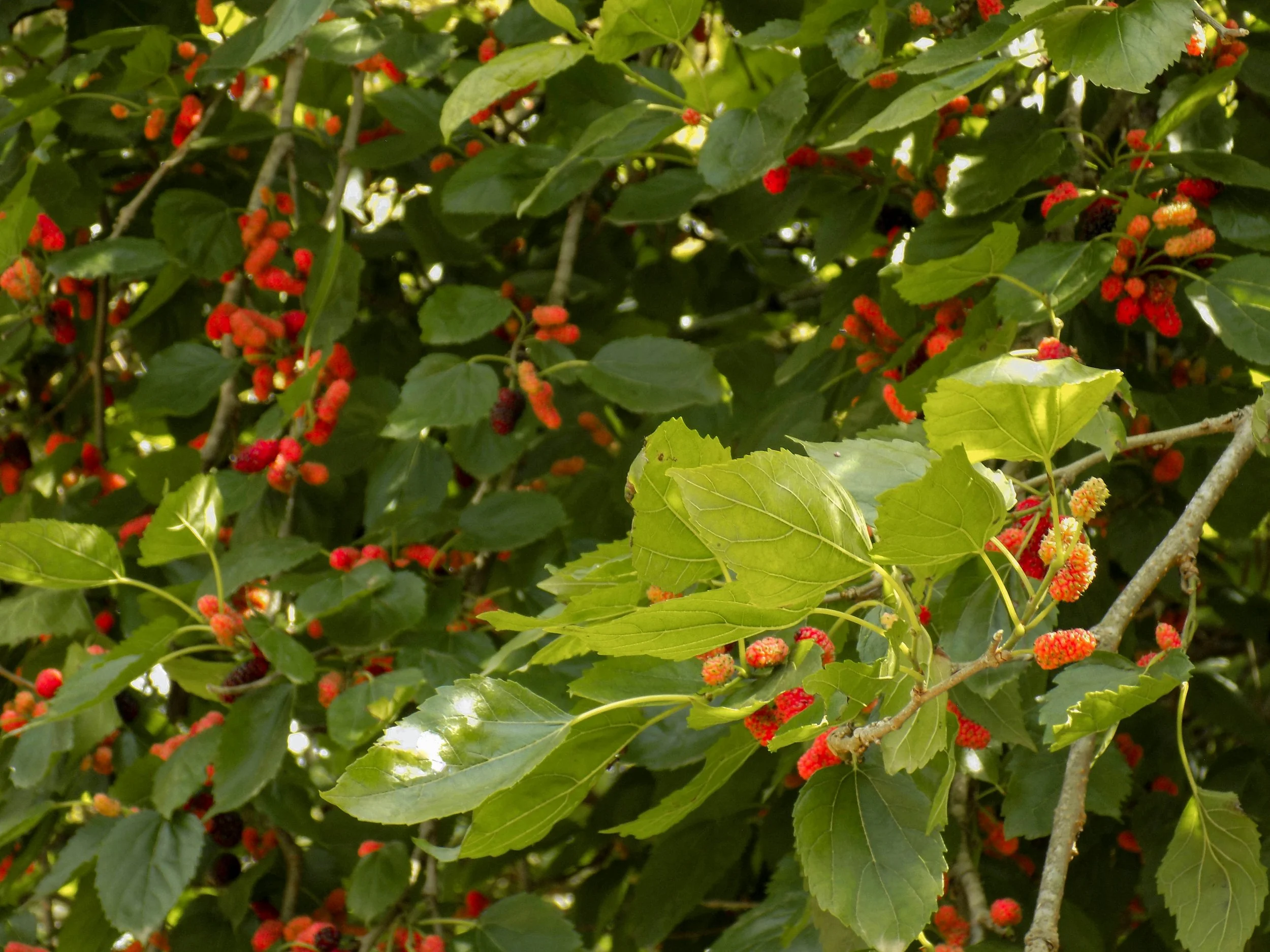
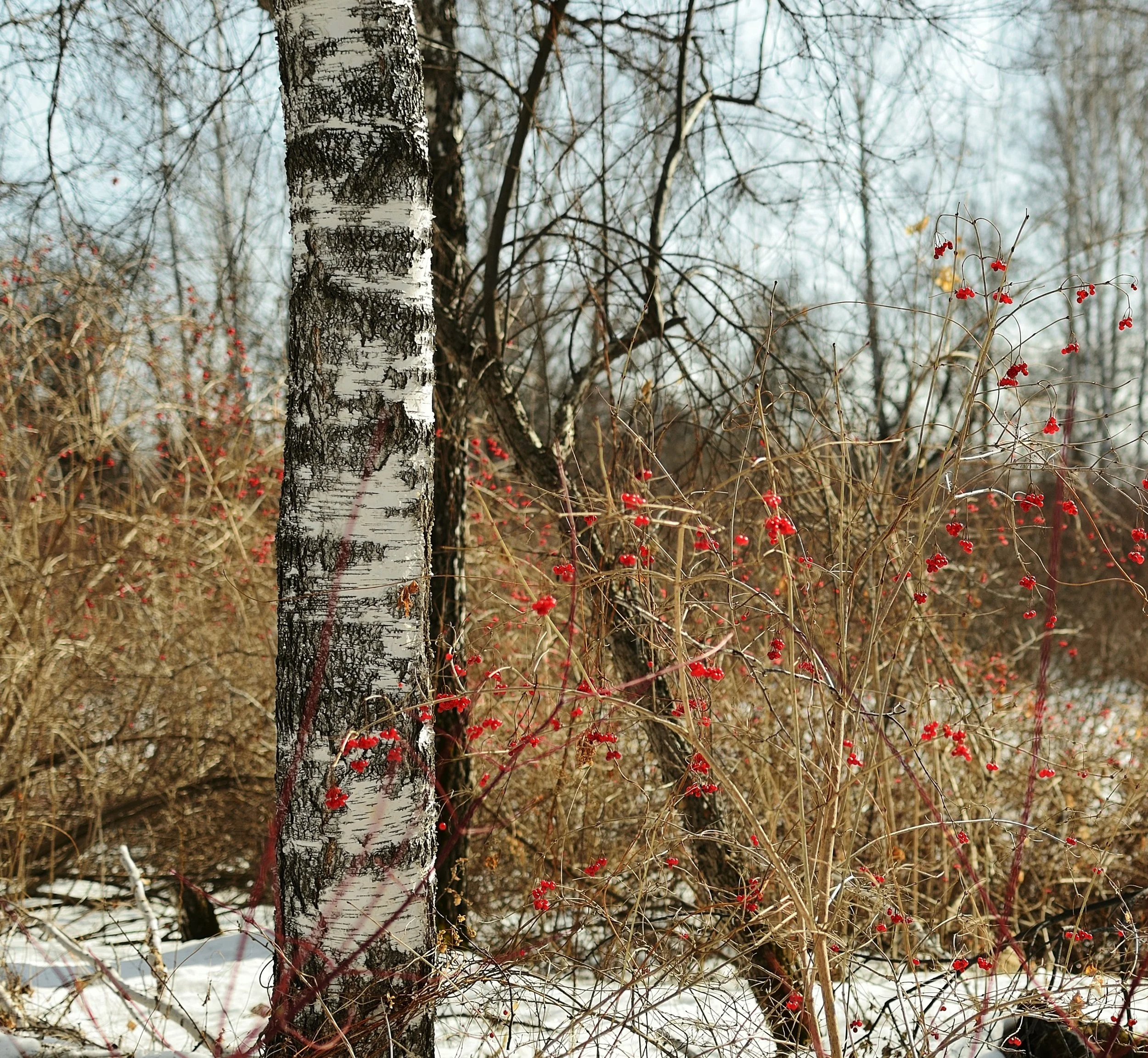
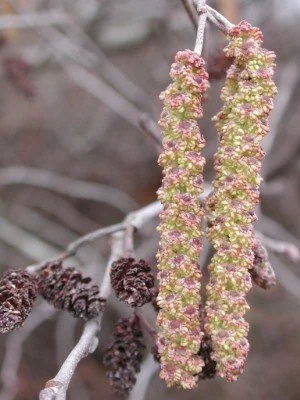
Smooth Alder (Alnus serrulata), is a multi-stemmed native shrub found along streams, ponds, and wet meadows. It fixes nitrogen in the soil and produces distinctive woody catkins, making it a durable choice for wet-site plantings and streambank stabilization.
(Alnus serrulata) is a high-value native shrub that provides critical food, nesting cover, and host support for a wide diversity of birds, mammals, and insects. Supports over 200 species of butterfly and moth caterpillars including Swallowtails, Luna moths, and Harvester Butterflies.
A very fast growing shrub with dense foliage, could be used in restoration to replace Autumn Olive with a highly beneficial plant.
Birds and Mammals
Winter and fall food: Produces cones of small winged nuts that can feed songbirds and game birds like American goldfinches, chickadees, and grouse.
Early spring forage: Protein-rich male catkins provide a vital early food source for small mammals and pollinators.
Cover and nesting: Dense, multi-stemmed, thicket-forming growth provides safe nesting sites and protective cover for wetland wildlife. It grows best in full sun to part shade with wet to consistently moist soil.
A smaller member of the Birch Family (Beulaceae), typically grows to 6-12’ tall and wide, but can reach up to 15-20’ - Native range from New Brunswick to Florida
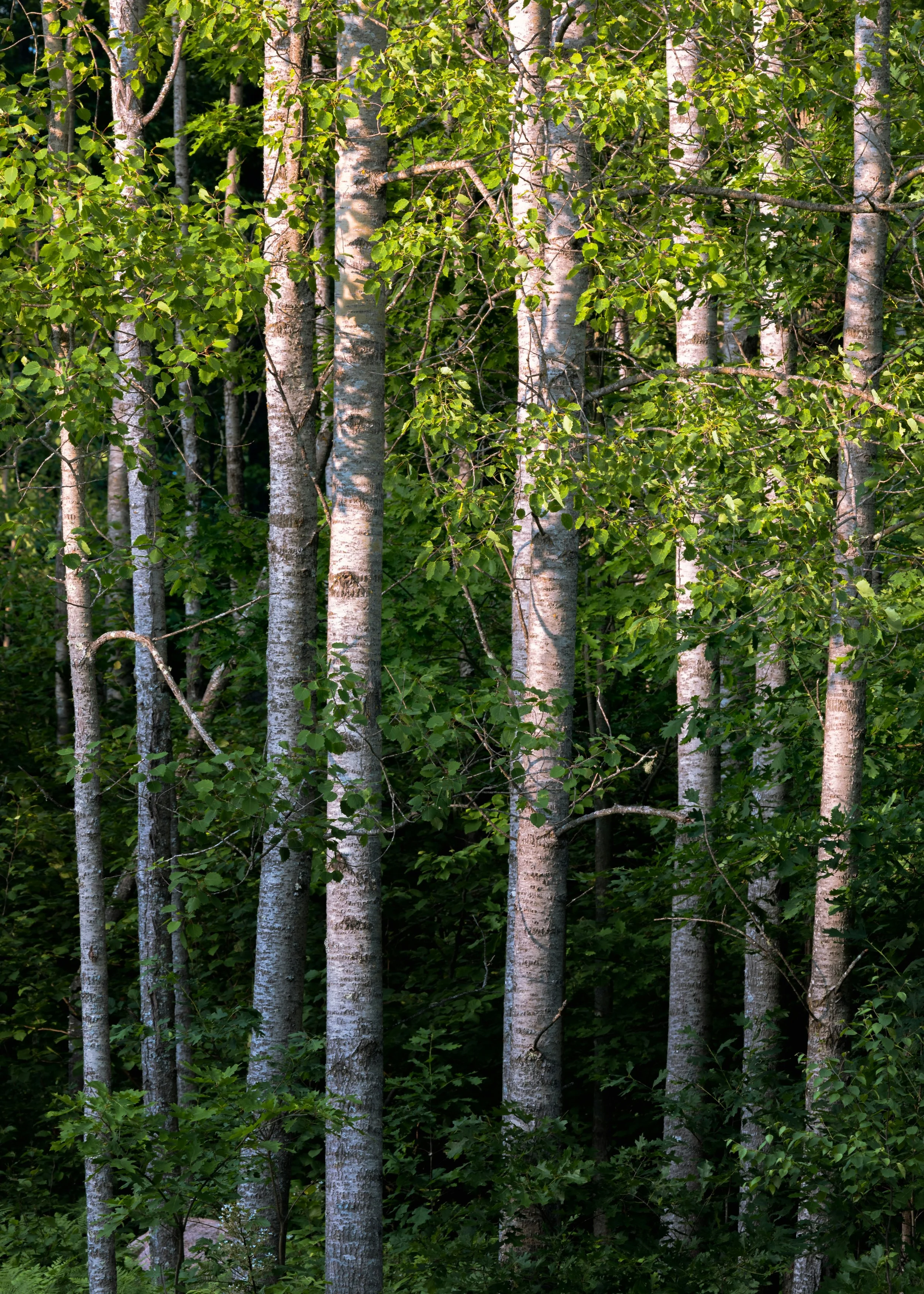
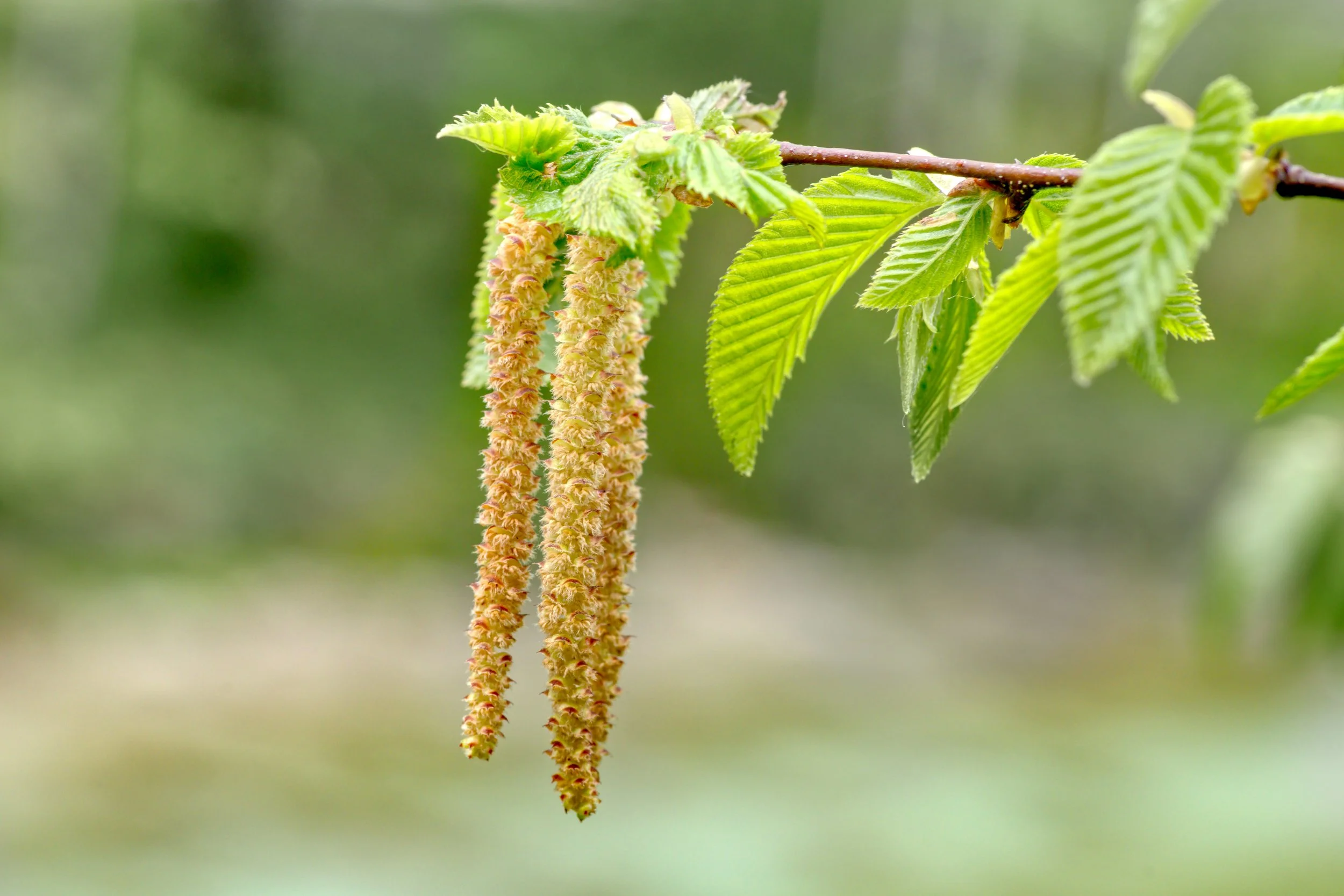
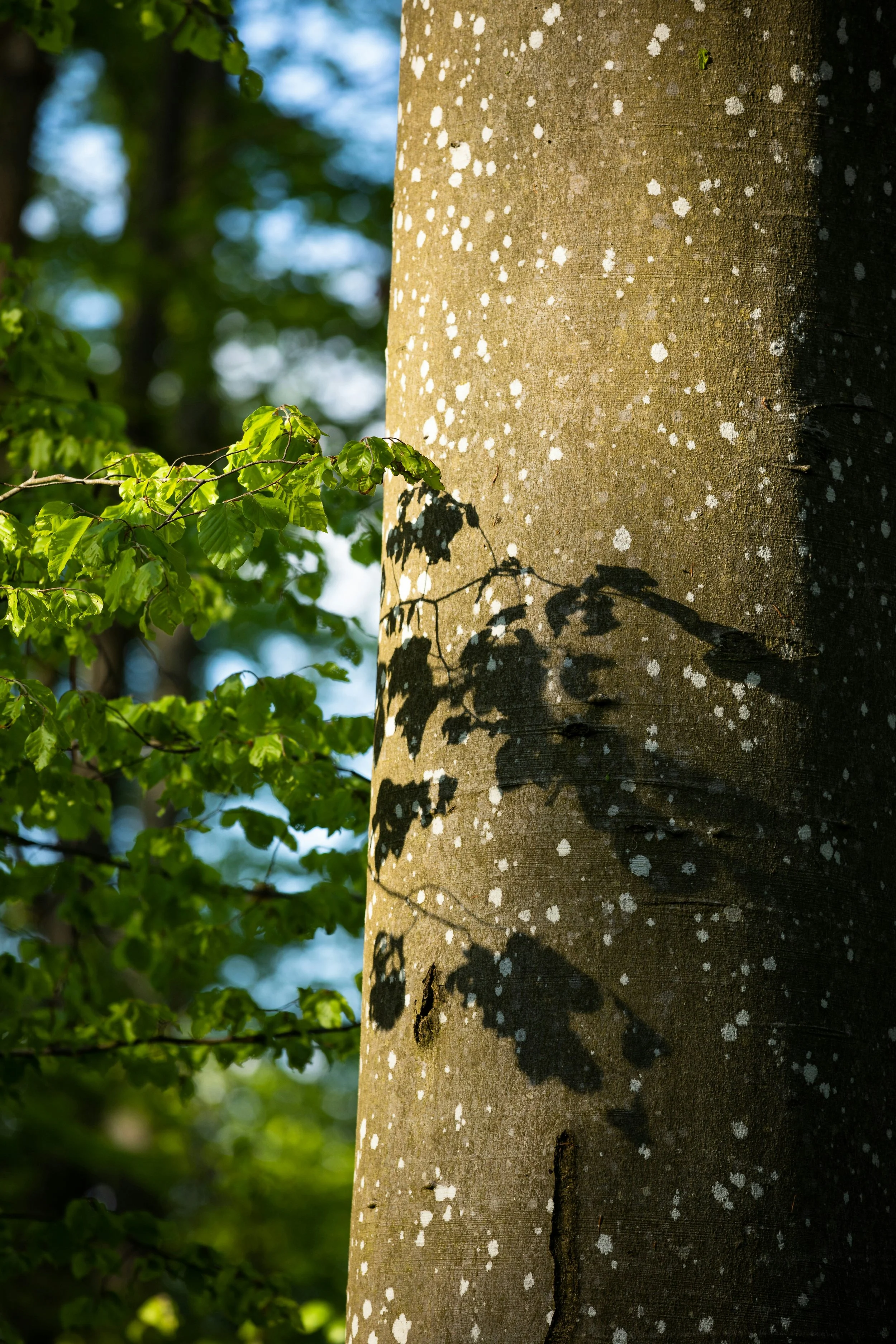
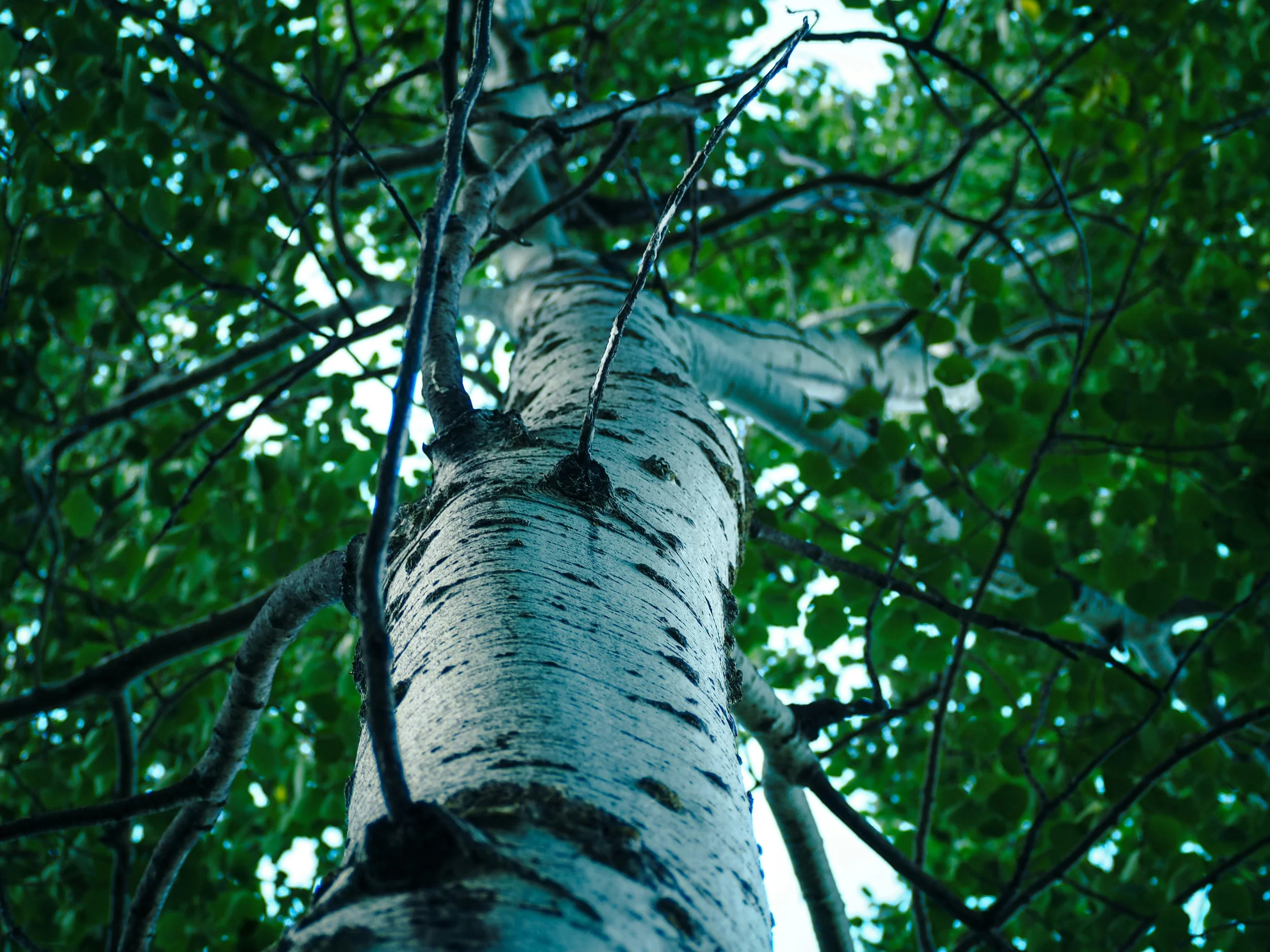
Speckled Alder (Alnus incana ssp. rugosa) is a fast-growing, cold-hardy native shrub common along stream banks and wetland edges. Sometimes called gray Alder or Tag Alder, it is an excellent plant for environmental conservation, and soil improvement. It can grow as a multi-stem shrubby or small tree in the Birch Family and can be grown into dense thickets for wildlife habitat. A common tree often found in swampy or wetland areas, however, it does not require moist soil and can grow in a wide variety of even poor gravelly or rocky soil. The tree is often cultivated in parks and gardens. Provides dense growth for habitat of many species of birds. Several species of Lepidoptera use grey alder as a food plant for their caterpillars. Songbirds and small mammals eat its small winged nutlets and catkins, making this plant highly desirable for providing native habitat.
It is sometimes used in afforestation and agroforestry in non-fertile or wet soils which it enriches by means of nitrogen fixing bacteria in its root nodules, making it an excellent choice for erosion control and restoring poorly drained or disturbed sites. Its cut branches may be fed to browsing livestock such as cows and goats, then used for kindling, and firewood. Its wood and bark are also prized for use in smoking meat, and fish.
No results match your search. Try removing a few filters.