 Image 1 of 4
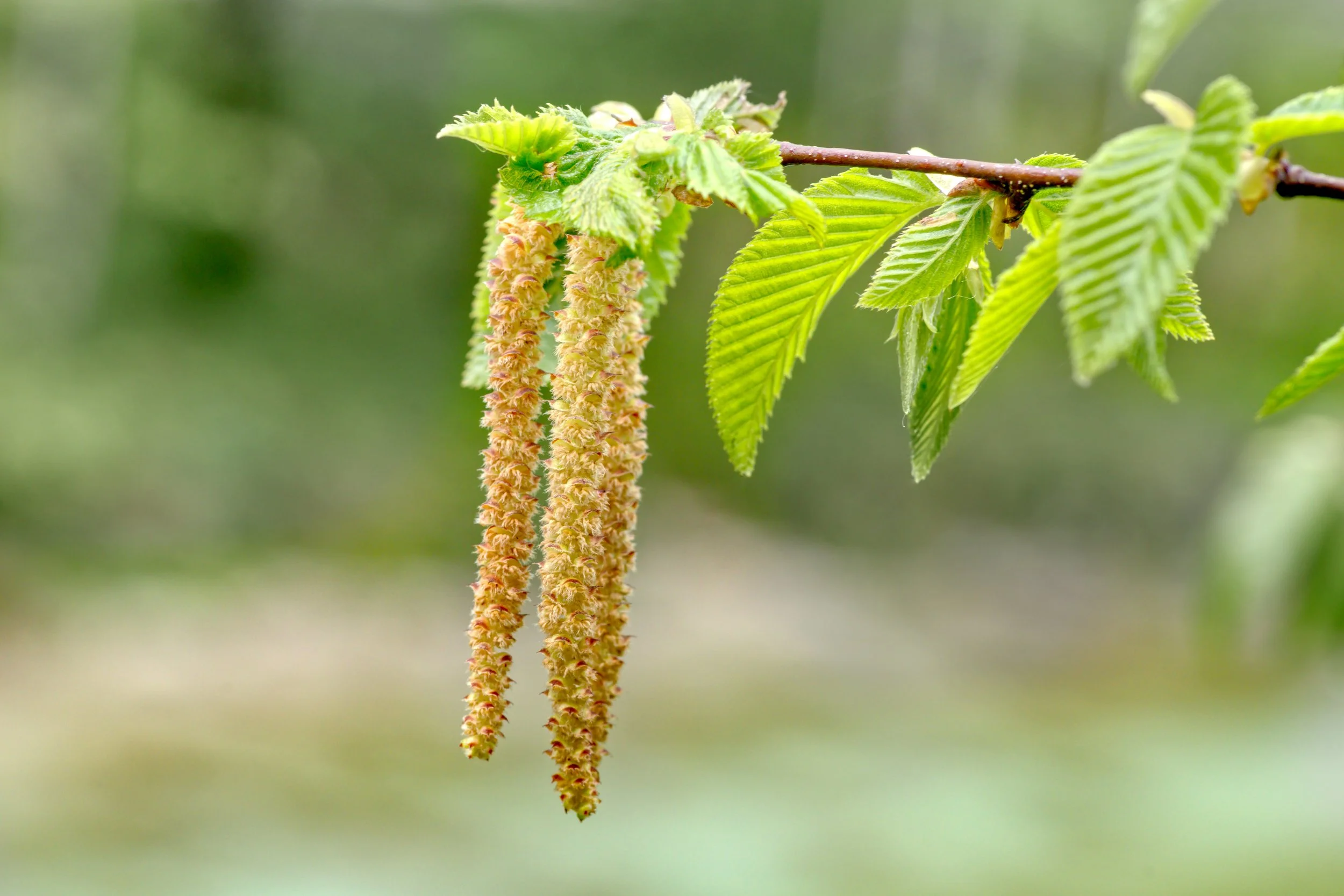 Image 2 of 4
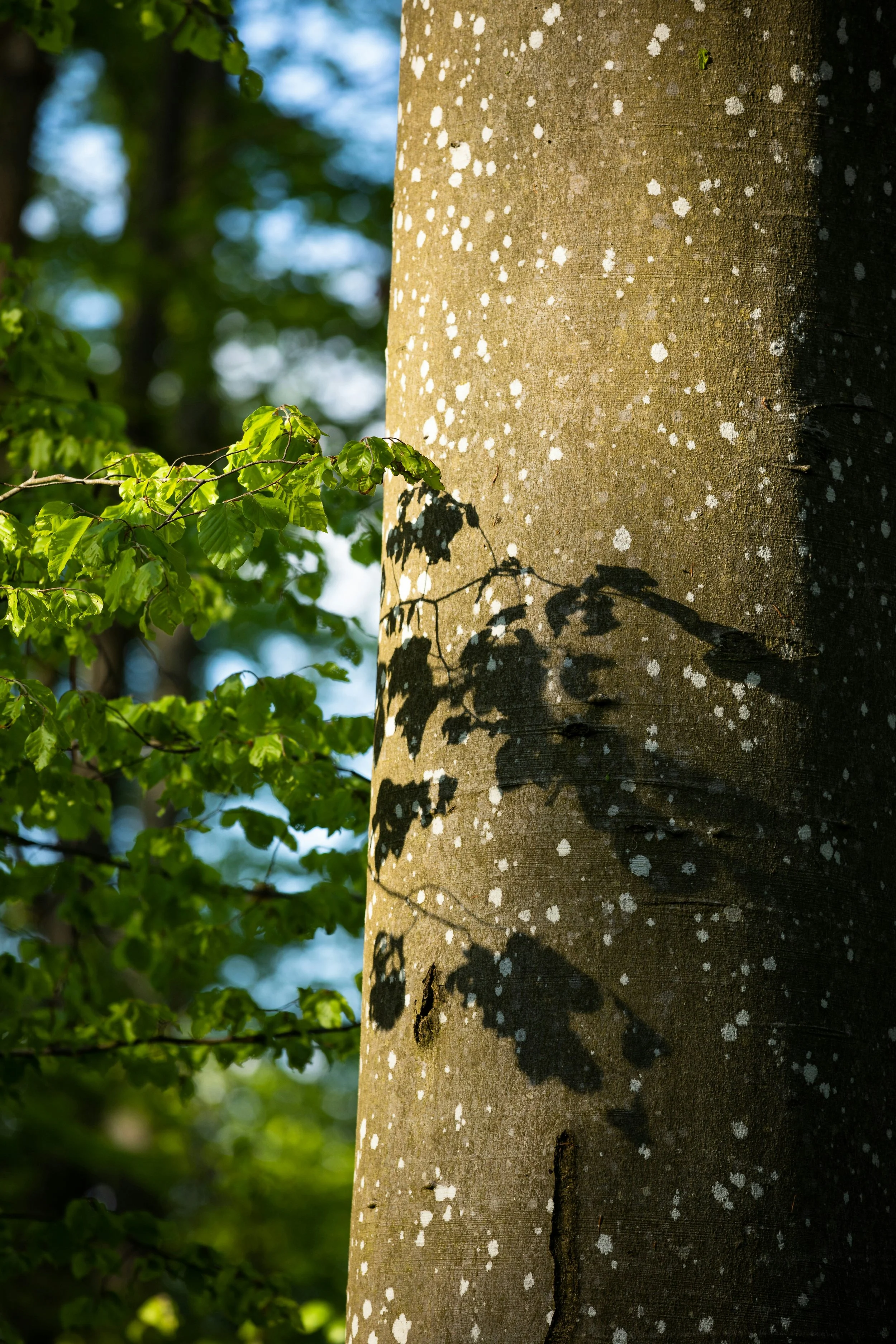 Image 3 of 4
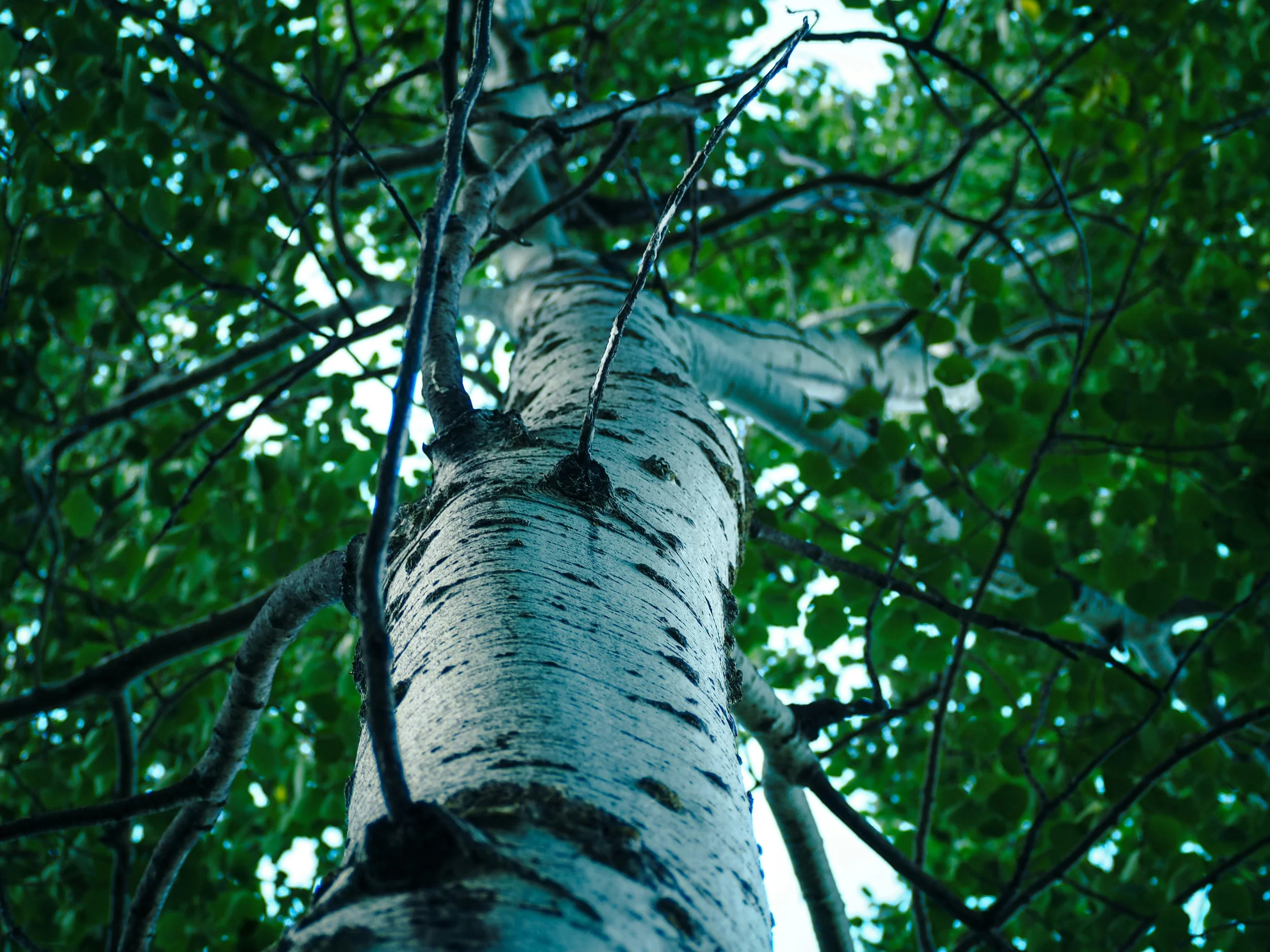 Image 4 of 4
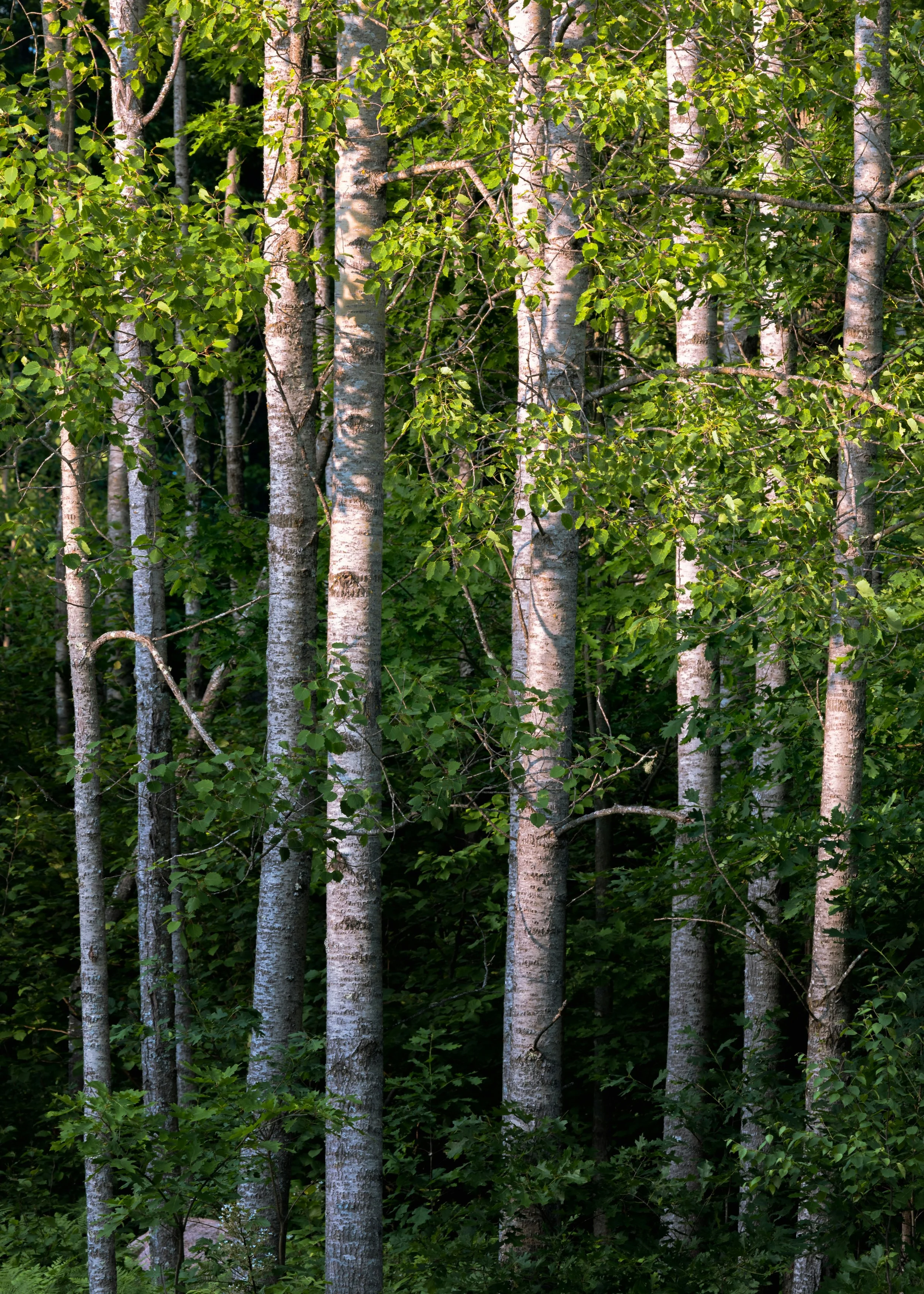
Speckled Alder (Alnus incana ssp. rugosa) is a fast-growing, cold-hardy native shrub common along stream banks and wetland edges. Sometimes called gray Alder or Tag Alder, it is an excellent plant for environmental conservation, and soil improvement. It can grow as a multi-stem shrubby or small tree in the Birch Family and can be grown into dense thickets for wildlife habitat. A common tree often found in swampy or wetland areas, however, it does not require moist soil and can grow in a wide variety of even poor gravelly or rocky soil. The tree is often cultivated in parks and gardens. Provides dense growth for habitat of many species of birds. Several species of Lepidoptera use grey alder as a food plant for their caterpillars. Songbirds and small mammals eat its small winged nutlets and catkins, making this plant highly desirable for providing native habitat.
It is sometimes used in afforestation and agroforestry in non-fertile or wet soils which it enriches by means of nitrogen fixing bacteria in its root nodules, making it an excellent choice for erosion control and restoring poorly drained or disturbed sites. Its cut branches may be fed to browsing livestock such as cows and goats, then used for kindling, and firewood. Its wood and bark are also prized for use in smoking meat, and fish.
Speckled Alder (Alnus incana ssp. rugosa) is a fast-growing, cold-hardy native shrub common along stream banks and wetland edges. Sometimes called gray Alder or Tag Alder, it is an excellent plant for environmental conservation, and soil improvement. It can grow as a multi-stem shrubby or small tree in the Birch Family and can be grown into dense thickets for wildlife habitat. A common tree often found in swampy or wetland areas, however, it does not require moist soil and can grow in a wide variety of even poor gravelly or rocky soil. The tree is often cultivated in parks and gardens. Provides dense growth for habitat of many species of birds. Several species of Lepidoptera use grey alder as a food plant for their caterpillars. Songbirds and small mammals eat its small winged nutlets and catkins, making this plant highly desirable for providing native habitat.
It is sometimes used in afforestation and agroforestry in non-fertile or wet soils which it enriches by means of nitrogen fixing bacteria in its root nodules, making it an excellent choice for erosion control and restoring poorly drained or disturbed sites. Its cut branches may be fed to browsing livestock such as cows and goats, then used for kindling, and firewood. Its wood and bark are also prized for use in smoking meat, and fish.