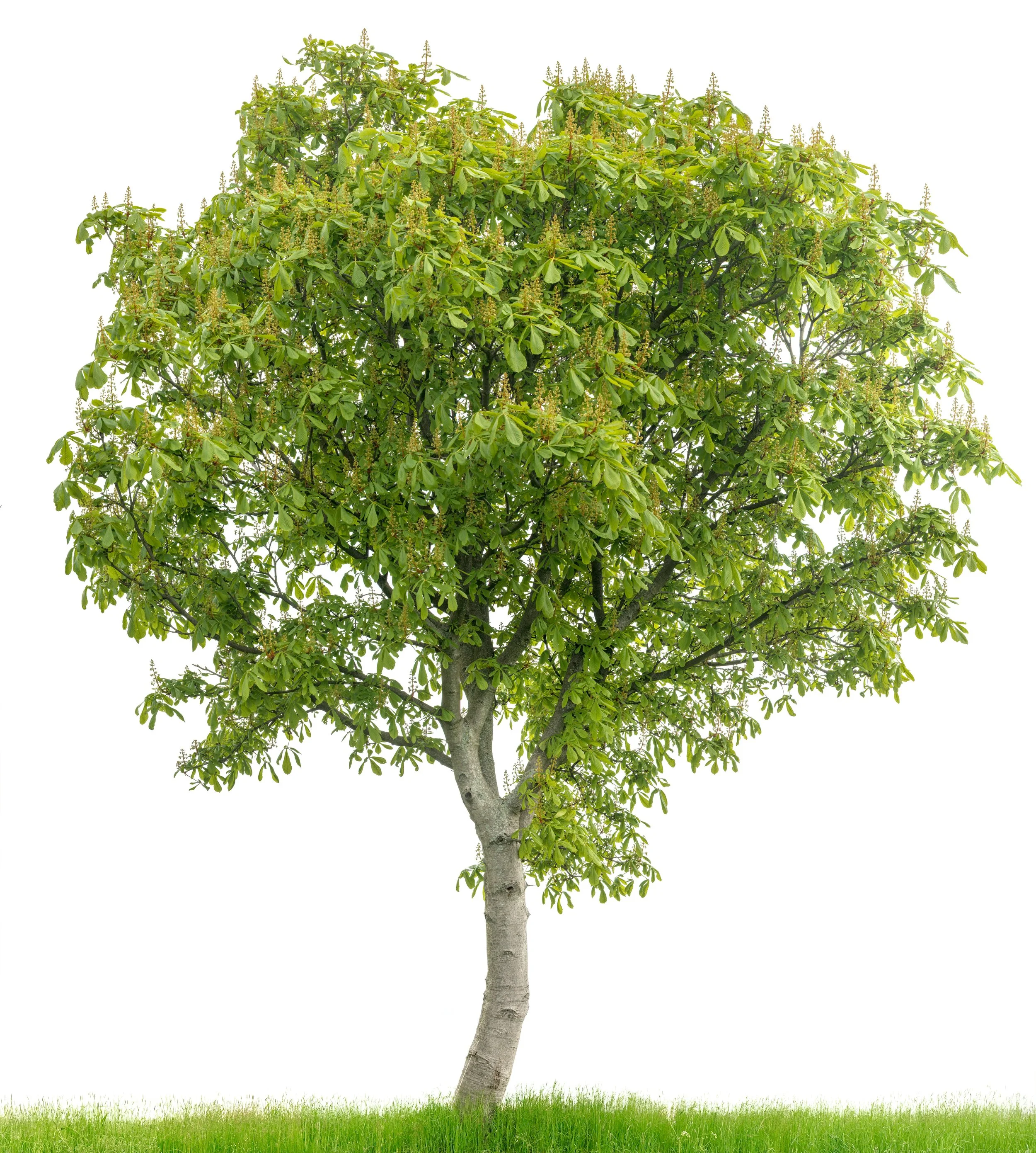
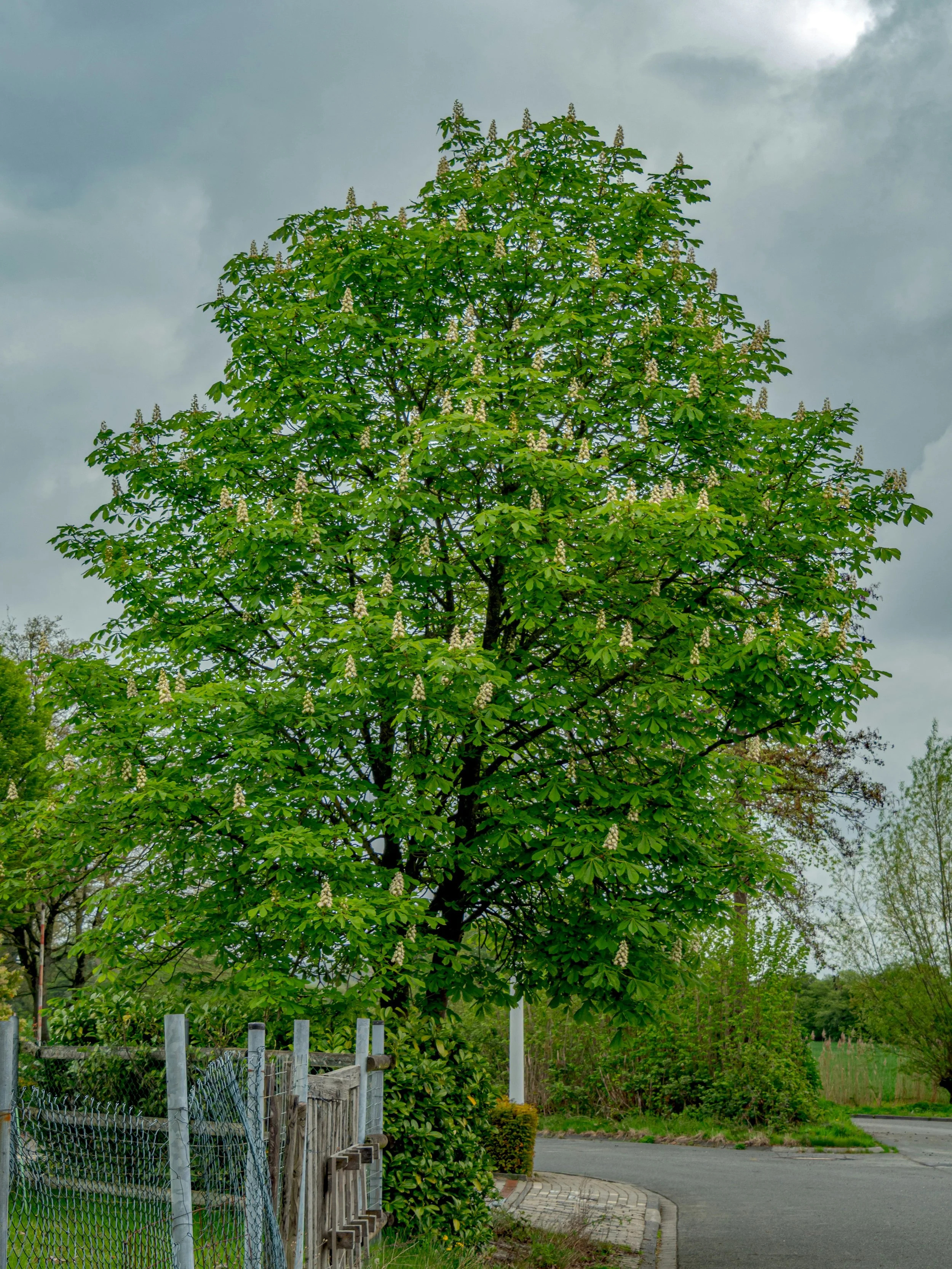
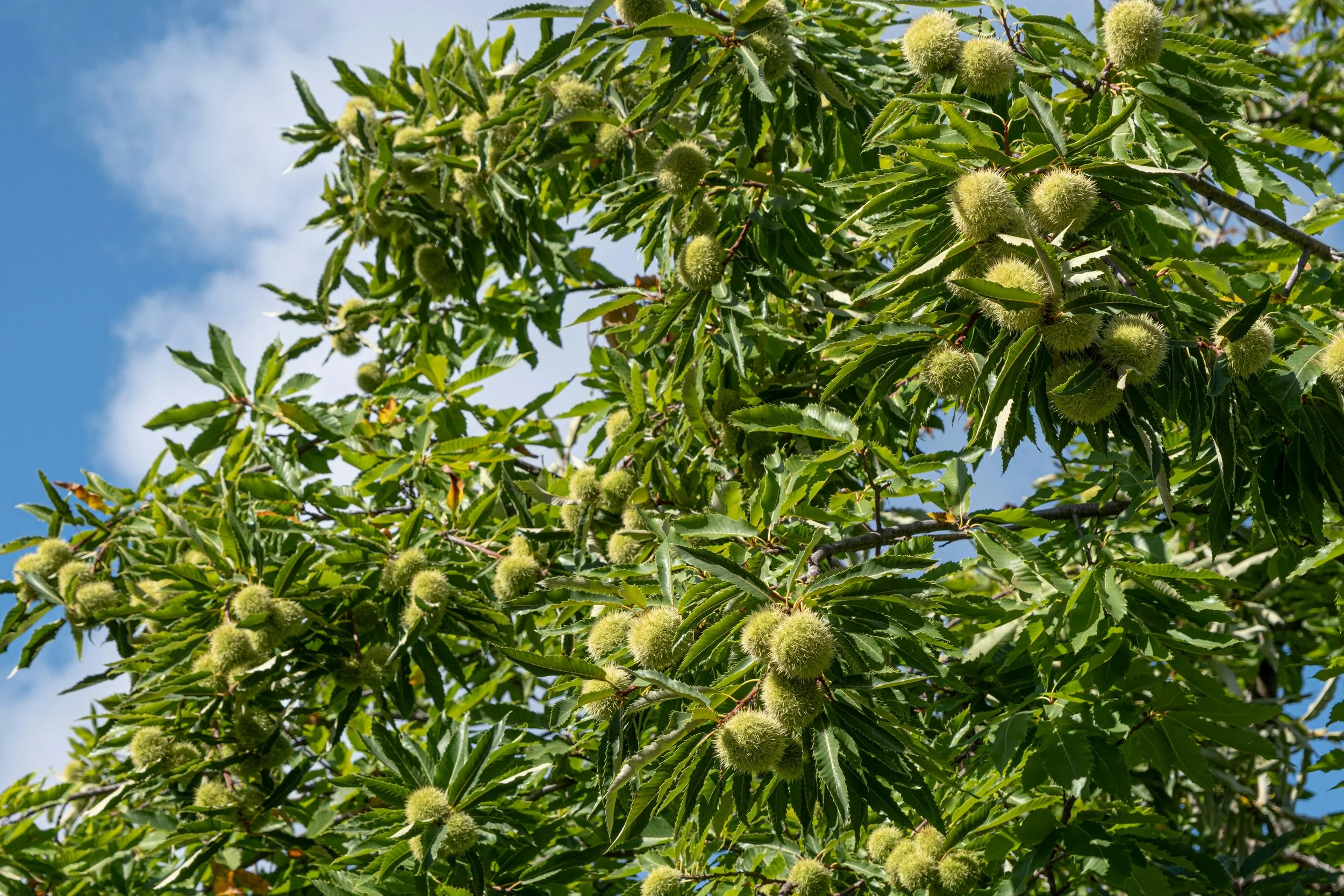
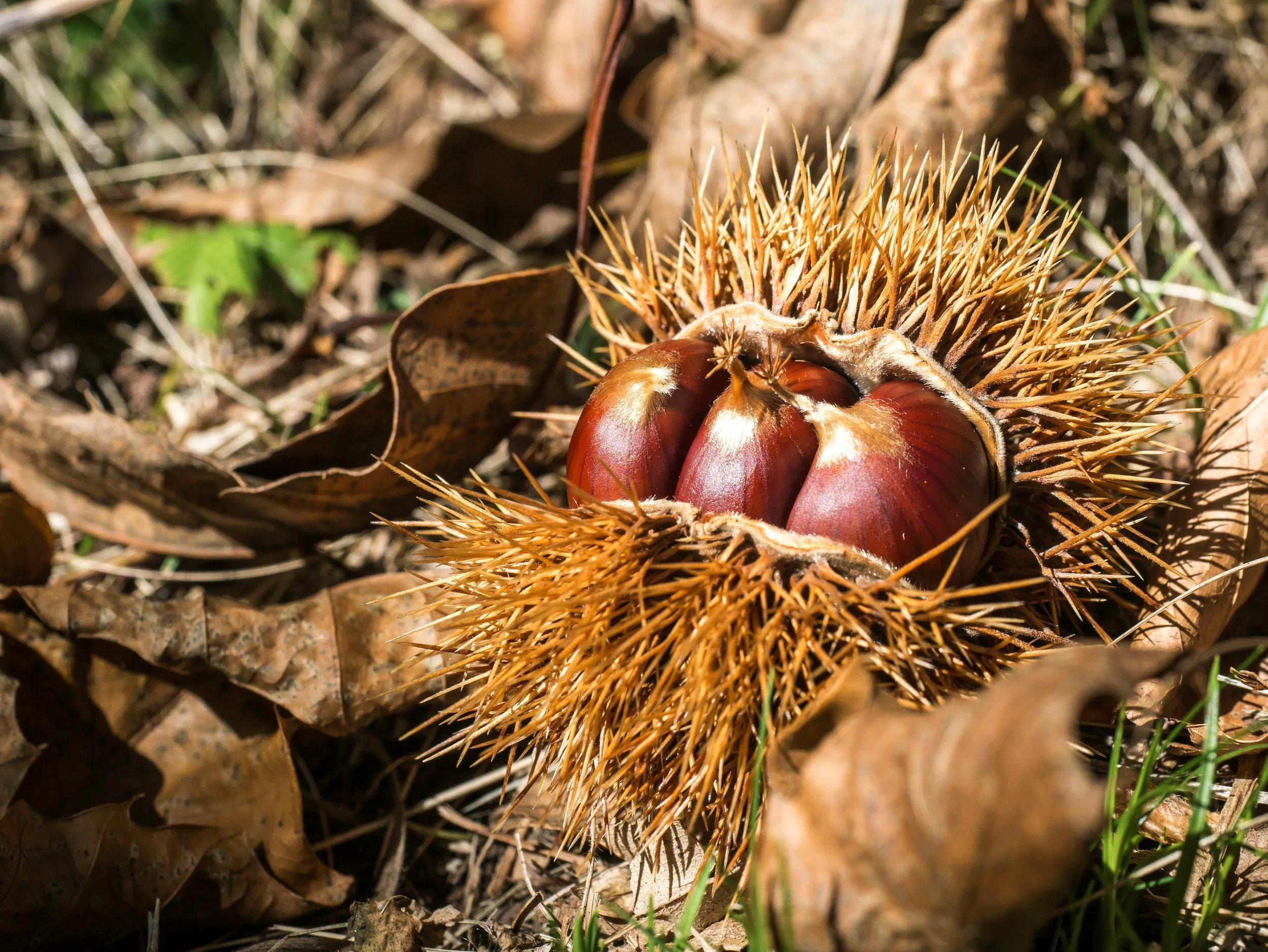
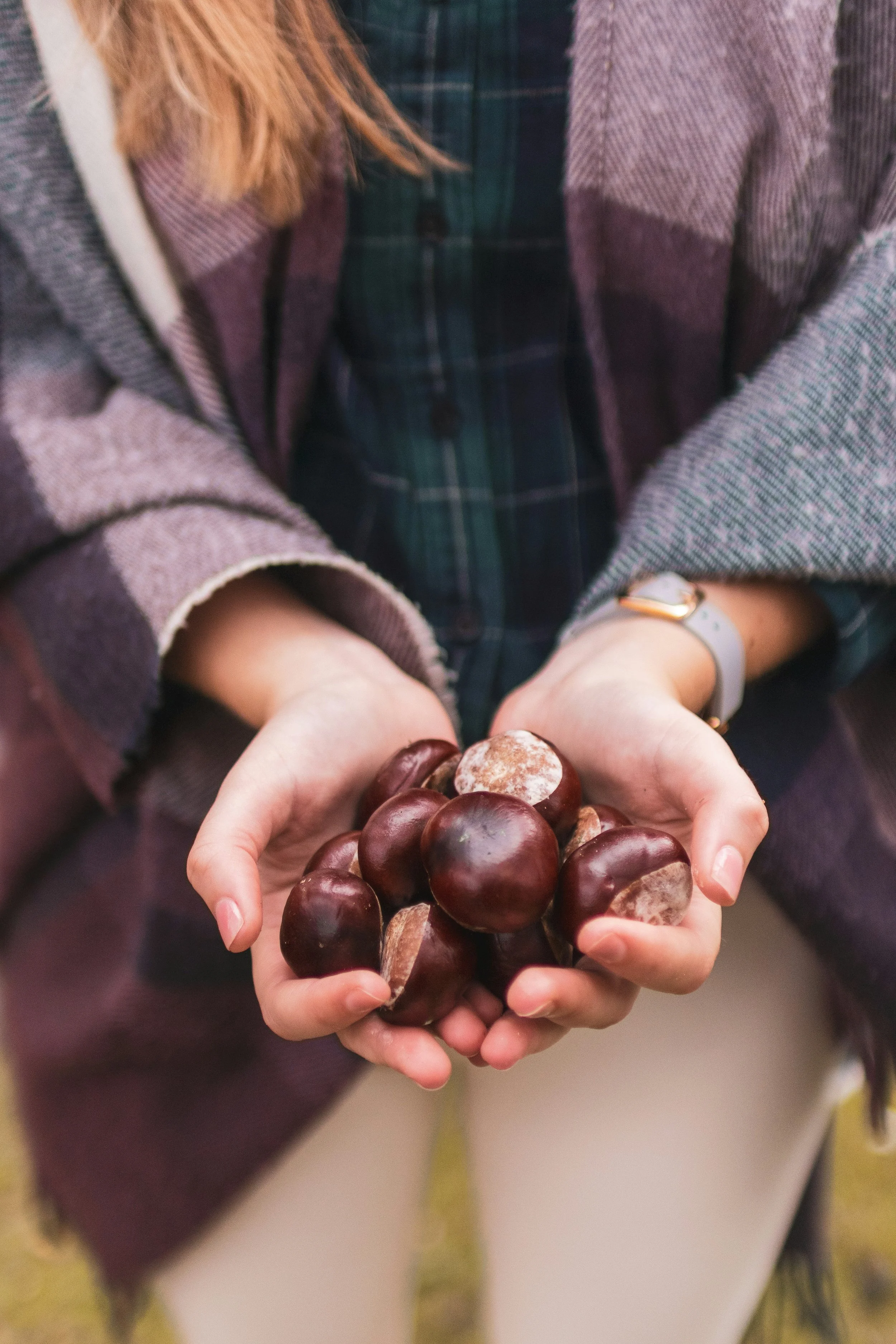
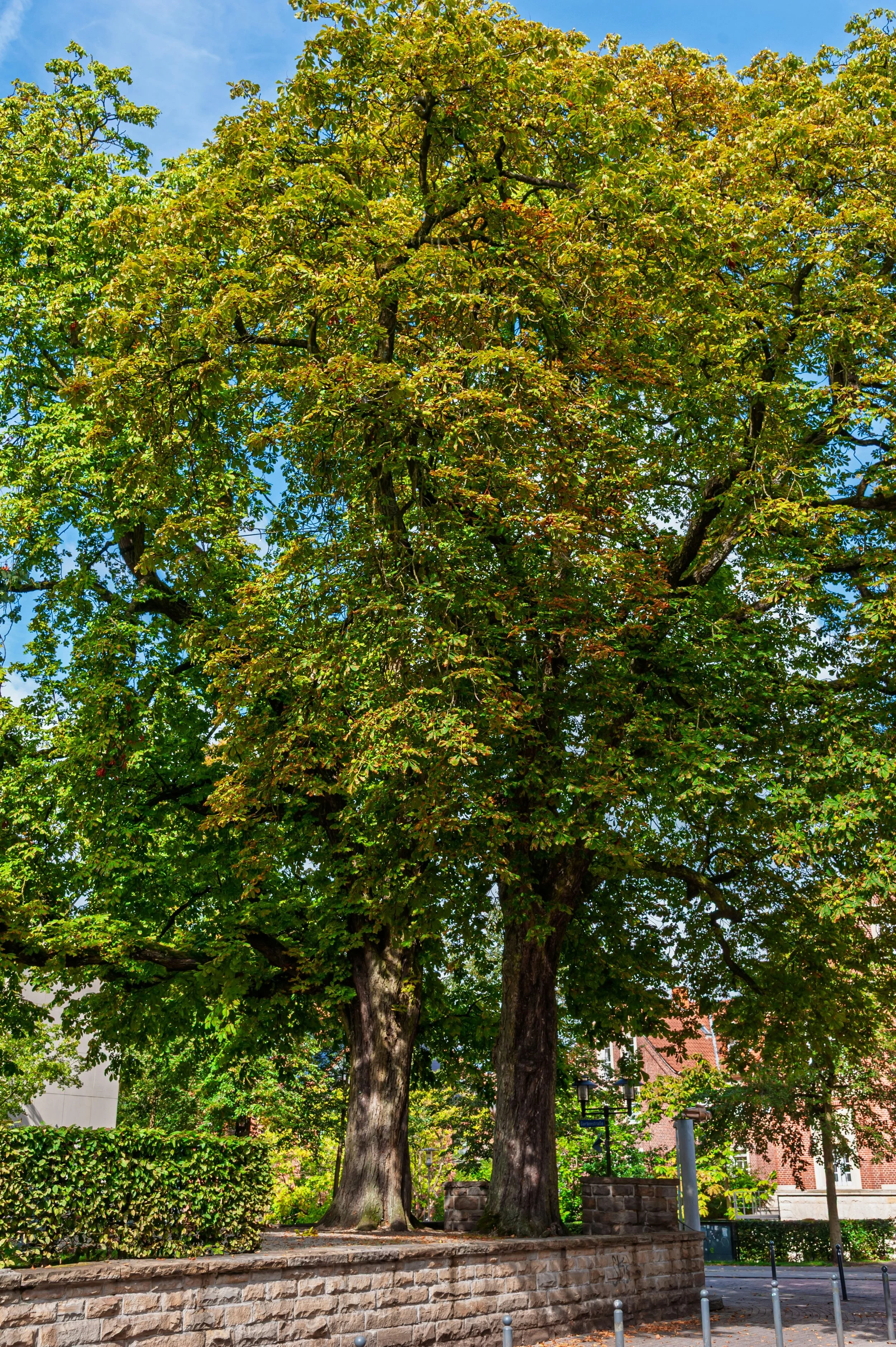
Large Badger Chestnut is a cold-hardy, blight-resistant chestnut cultivar selected for its larger-than-average nut size and dependable annual production, making it a strong choice for home orchards and nut growers. It blooms in early summer and grows best in full sun with moderate to dry, well-drained soil. This is a Chinese x American hybrid originating from Minnesota Badgersett breeding program, to be blight resistant, and produce extra-large nuts.
Szego Chestnut is a productive, blight-resistant chestnut cultivar bred for reliable nut production and improved disease tolerance compared to the native American chestnut. It bears sweet, large, high-quality nuts and grows into a vigorous, spreading tree. It blooms in early summer and grows best in full sun with moderate to dry, well-drained soil. Szego makes a good pollinator for other varieties. Upright growth habit and very fast growing.
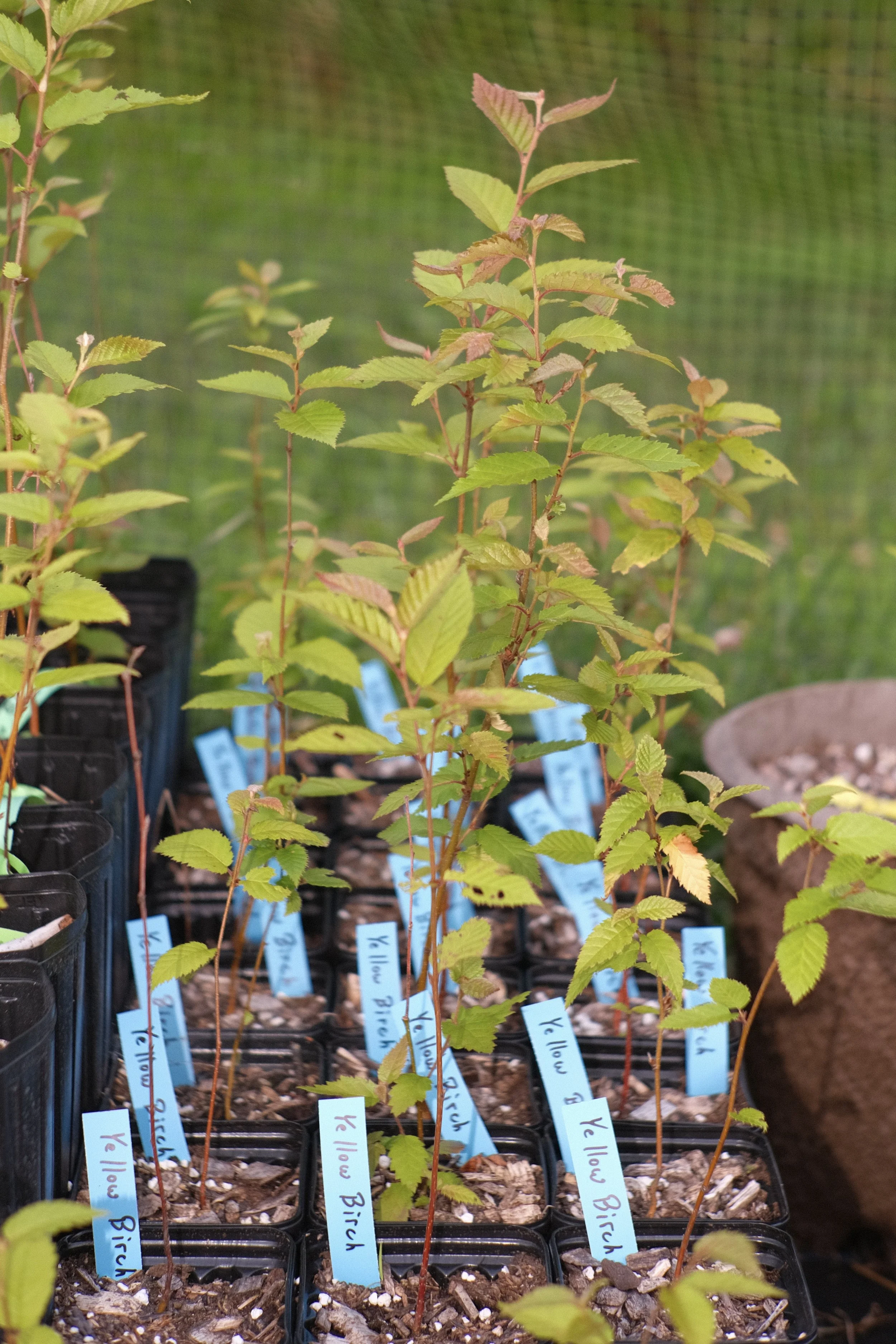
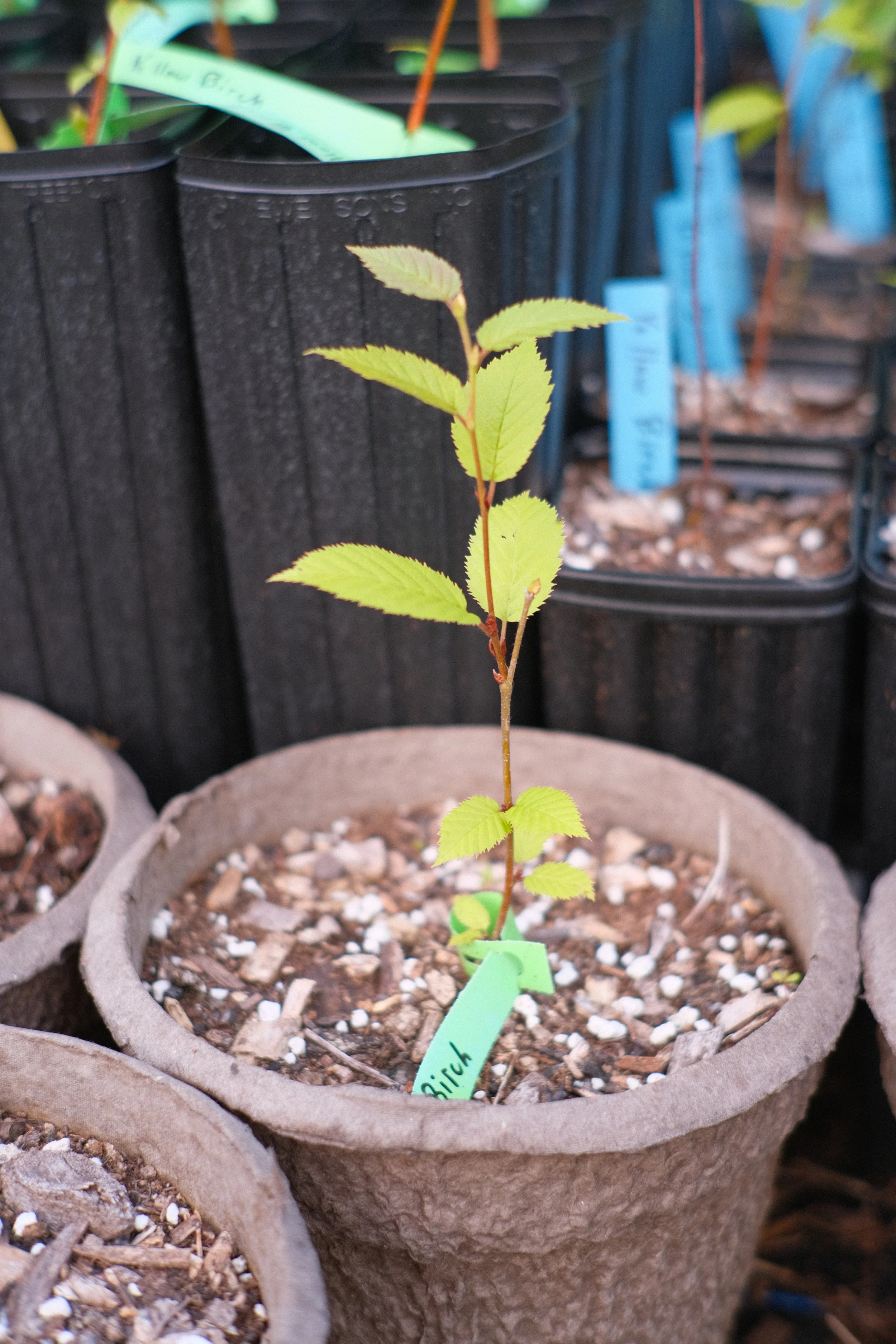
Yellow Birch (Betula alleghaniensis) is a long-lived native tree valued for its golden, curling bark and wintergreen-scented twigs. It prefers cool, moist sites and provides good yellow fall color along with valuable hardwood timber. It blooms in early spring via catkins and grows best in part shade to full sun with moist, cool soil.
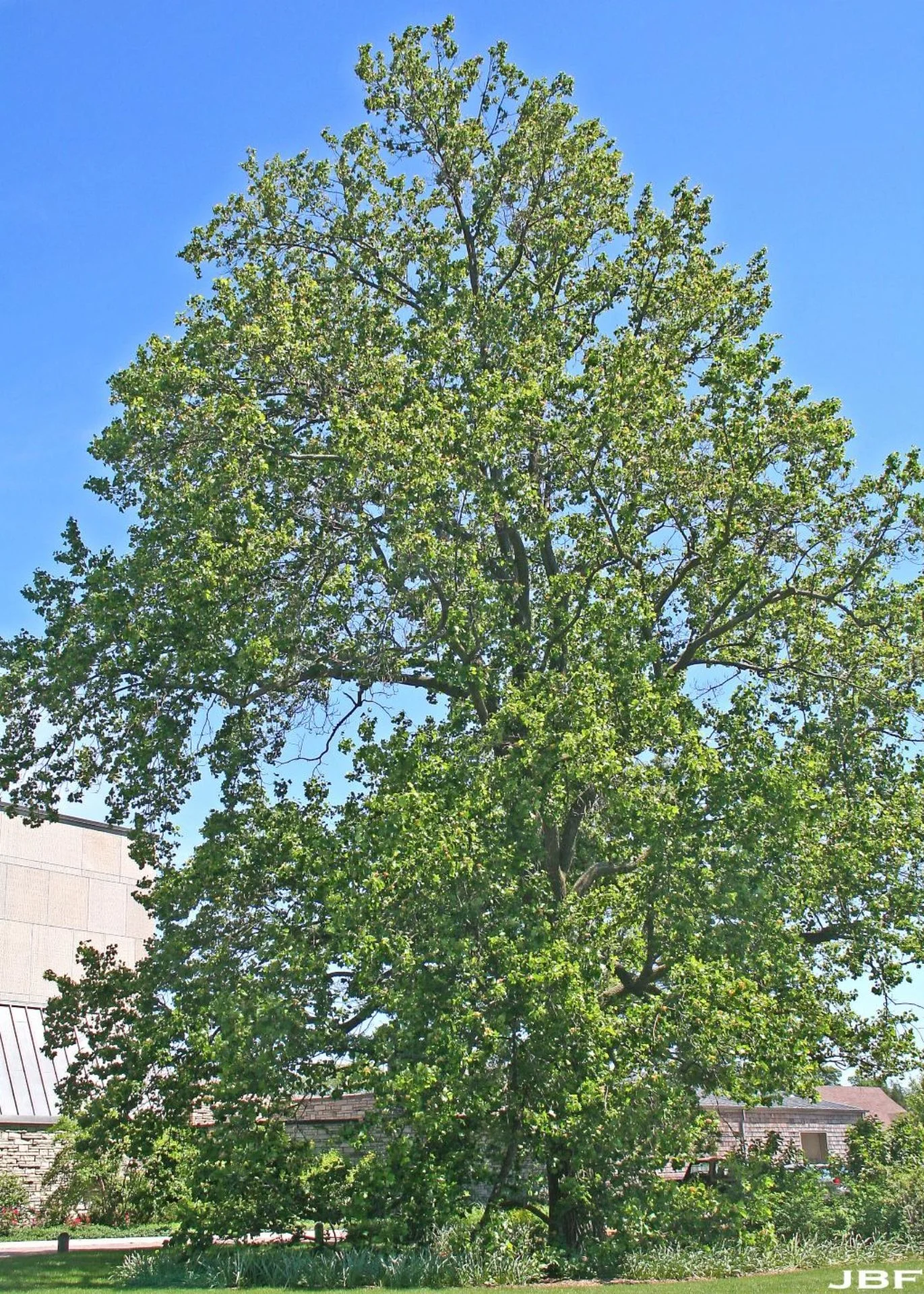
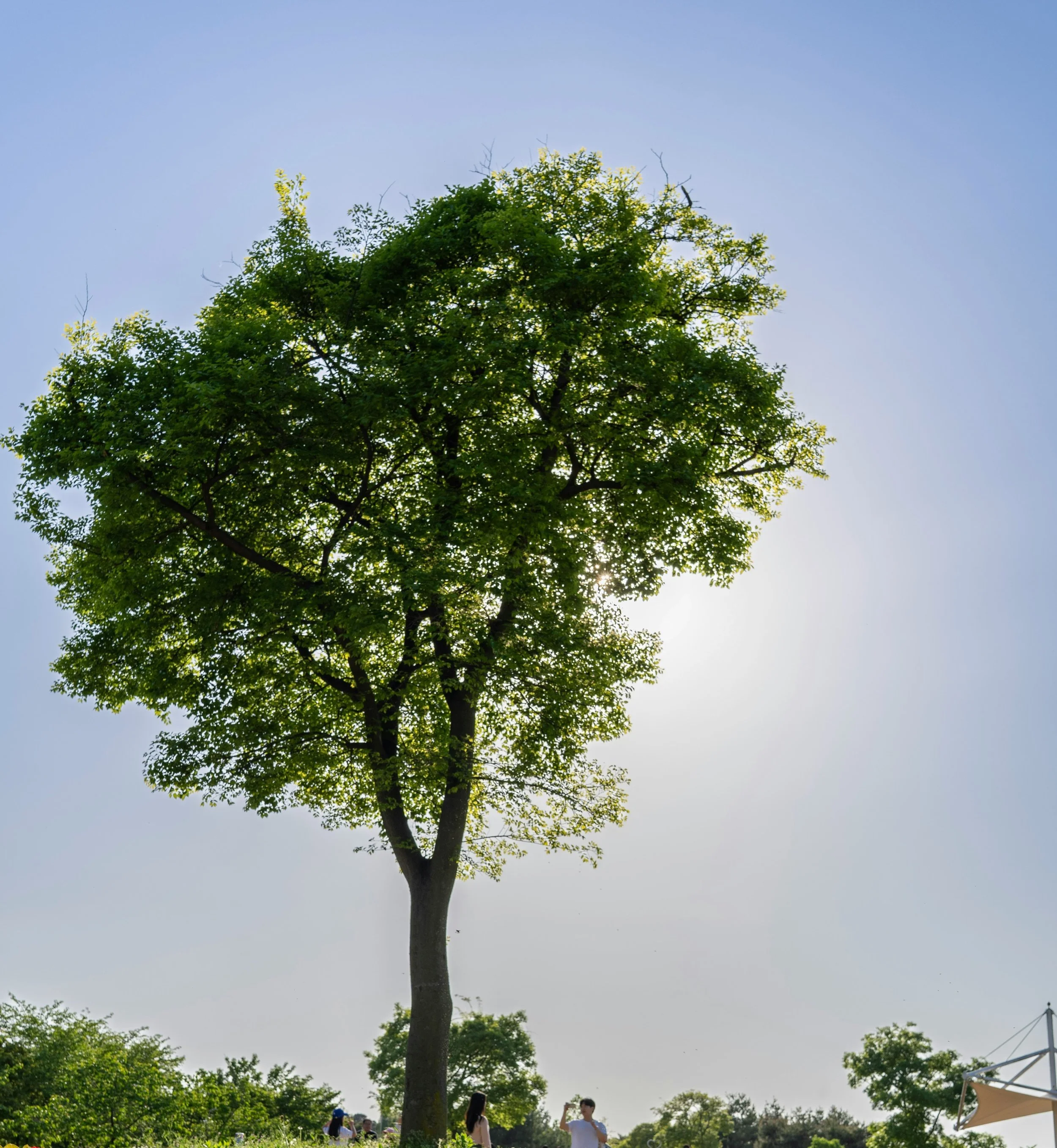
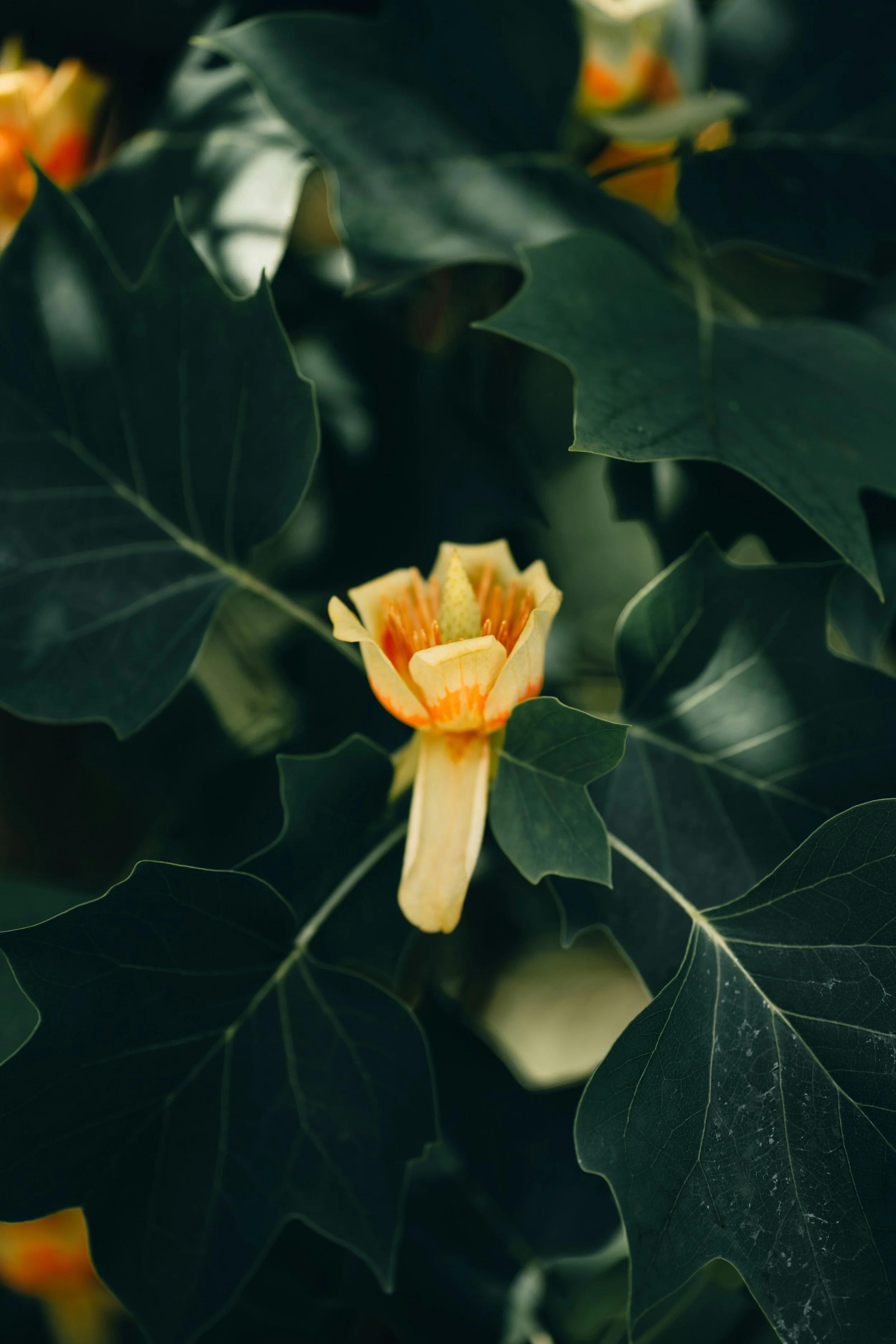
Tuliptree (Liriodendron tulipifera), also called yellow poplar, is one of the tallest native hardwoods, growing quickly into a straight-trunked shade tree. It produces distinctive tulip-shaped yellow-green flowers in late spring and golden fall foliage.
It blooms in late spring and grows best in full sun to part shade with moderate to moist soil.
The copious nectar in its spring blooms attracts hummingbirds, bees, and other native pollinators, while its seeds feed various birds and small mammals. It also serves as a larval host for butterflies like the eastern tiger swallowtail.
State Tree: It is the official state tree of Kentucky, Indiana, and Tennessee.
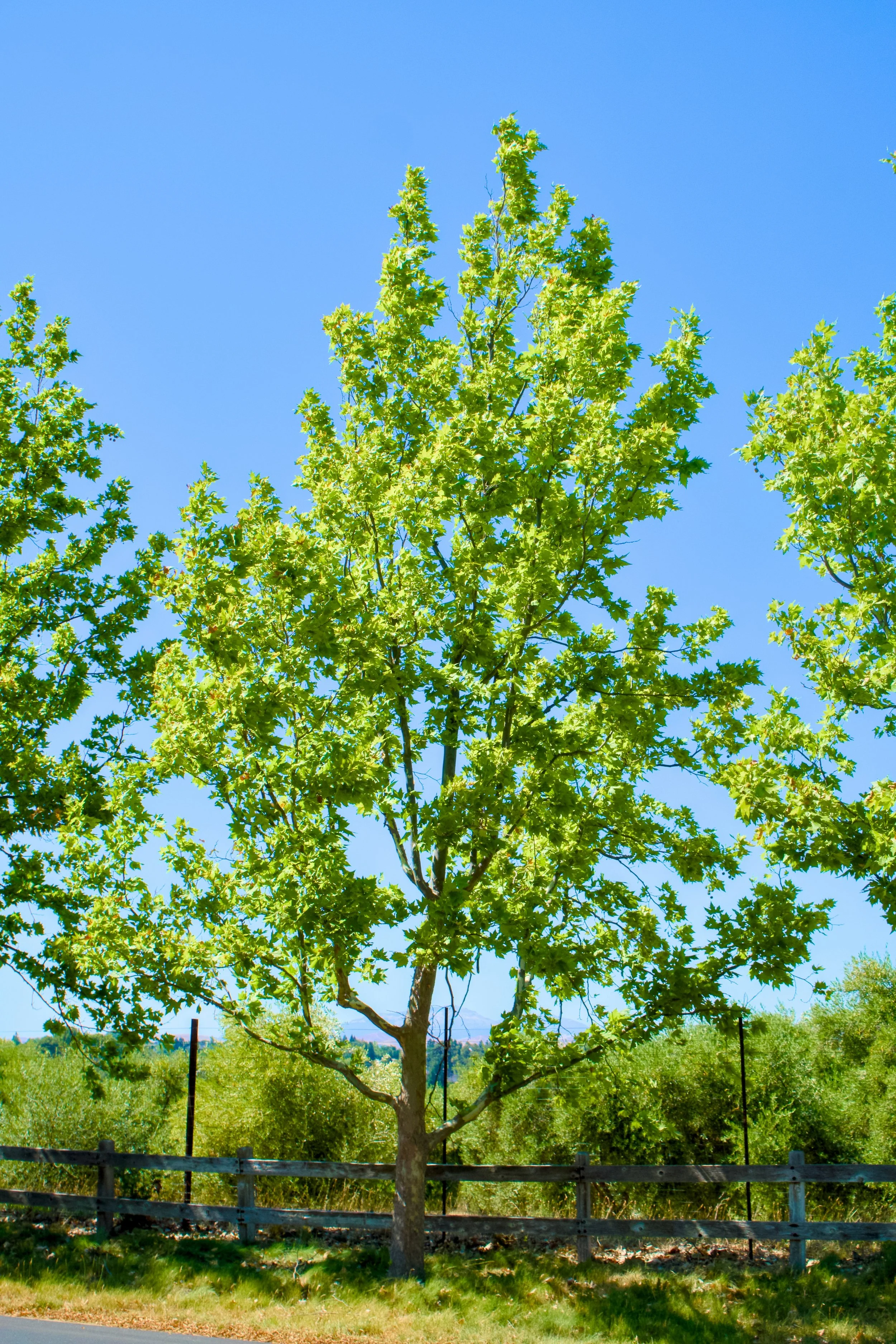
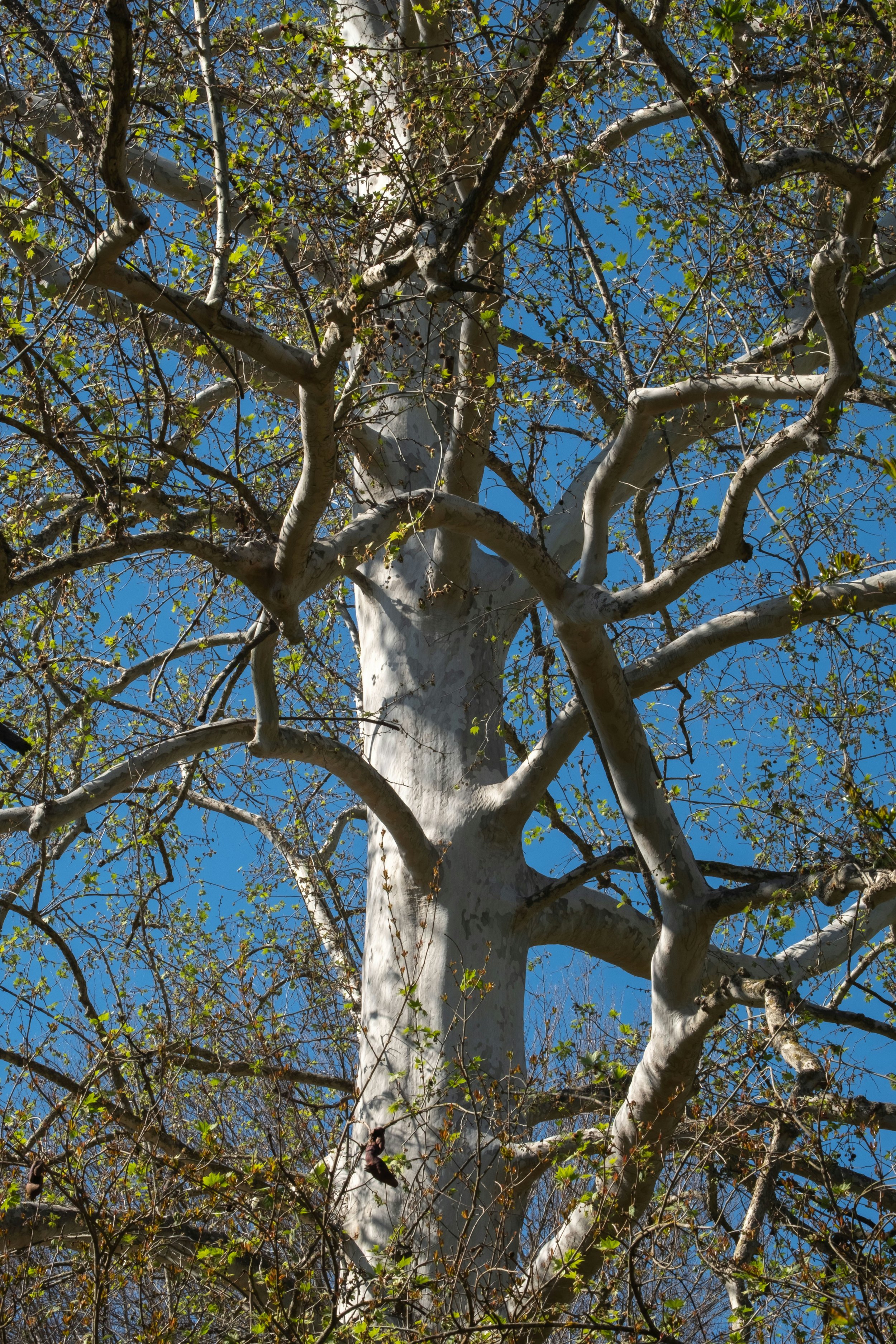
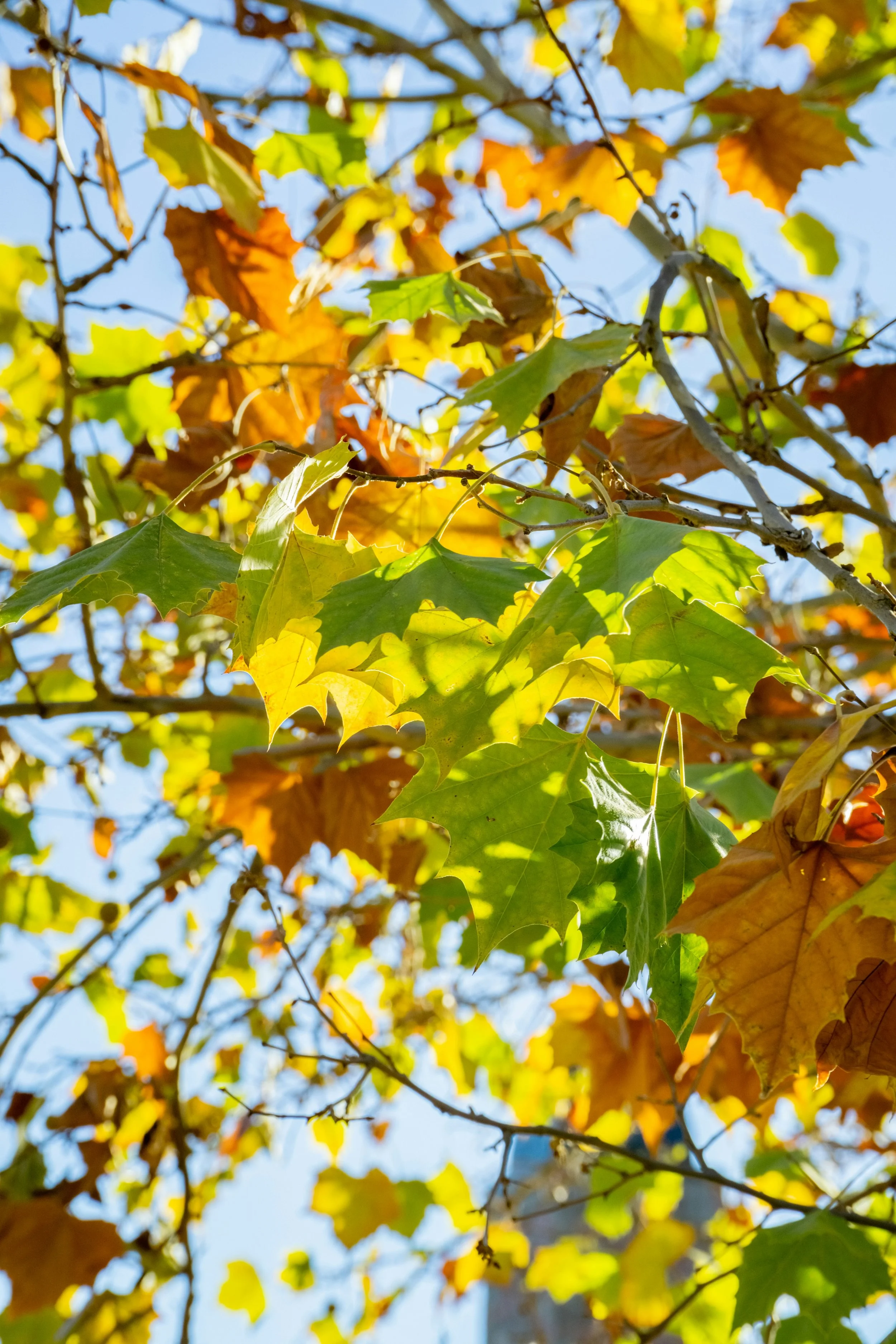
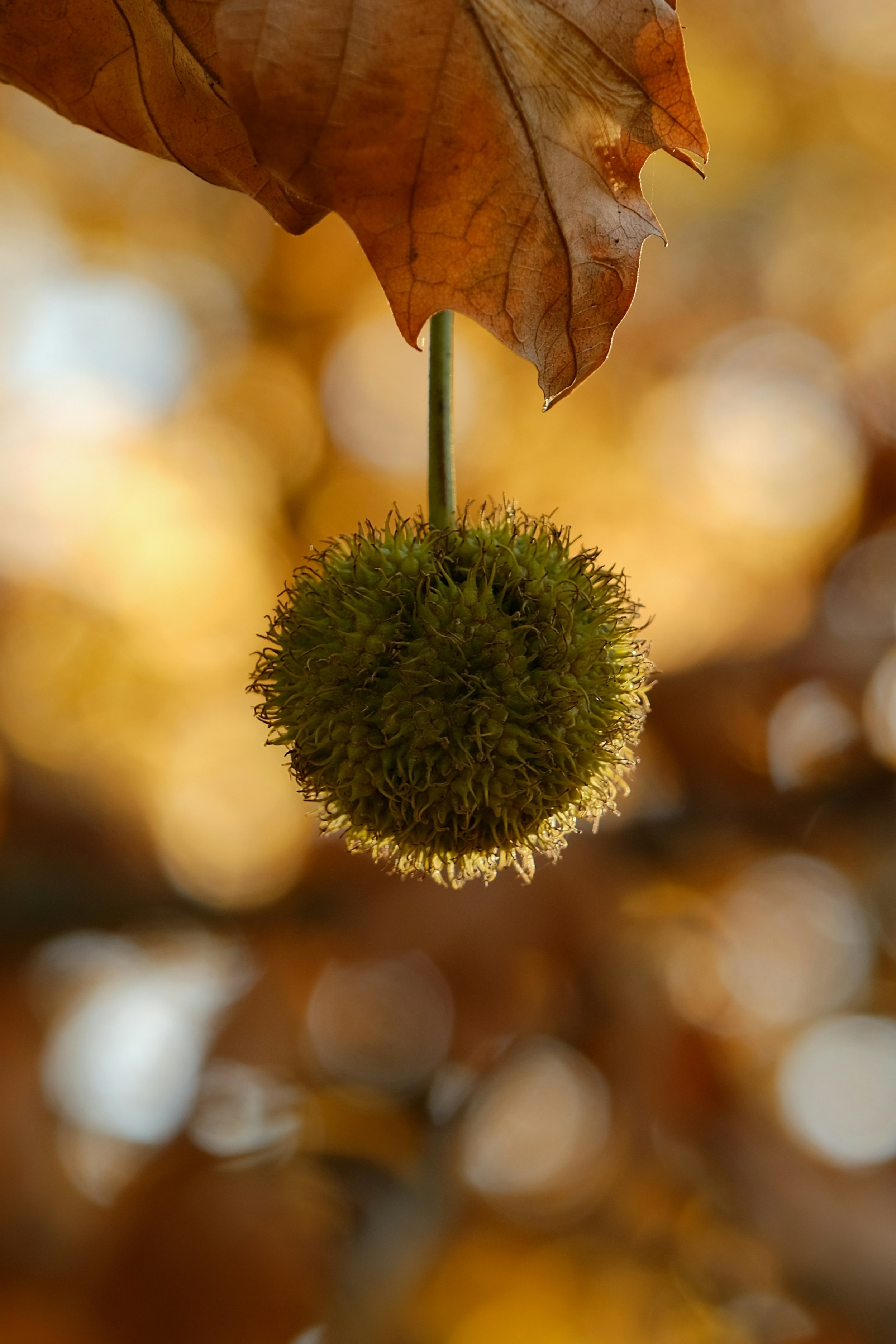
American Sycamore (Platanus occidentalis) is a massive, fast-growing shade tree instantly recognizable by its mottled, exfoliating bark that reveals creamy white patches beneath. A classic riverbank tree, it tolerates wet soils and provides deep shade with its large maple-like leaves. It blooms in mid-spring, and grows best in full sun with moist soil.
Sycamore has many benefits and is a wonderful option for a restoration project. These are great shade trees, have interesting ornamental bark, and will attract many forms of wildlife
Sycamore leaves act as a larval host plant for over 40 species of moths and butterflies which provide essential high-protein meals for nestling songbirds. The spherical seed balls supply late-winter food for finches and chickadees when other food sources run low.
The large stature and branching habits of the American Sycamore create the ideal nesting cover for birds and wildlife. Older trees will have larger cavities carved out that are appealing to Wood Ducks, Barred Owls, Eastern Screech Owls, Squirrels, and Raccoons. Great Blue Herons, Bald Eagles, Orioles, and other species of birds are known to make American Sycamores their nesting site.
Very fast growing - when located in a sunny spot with moist soil, can gain up to 3’ per year.
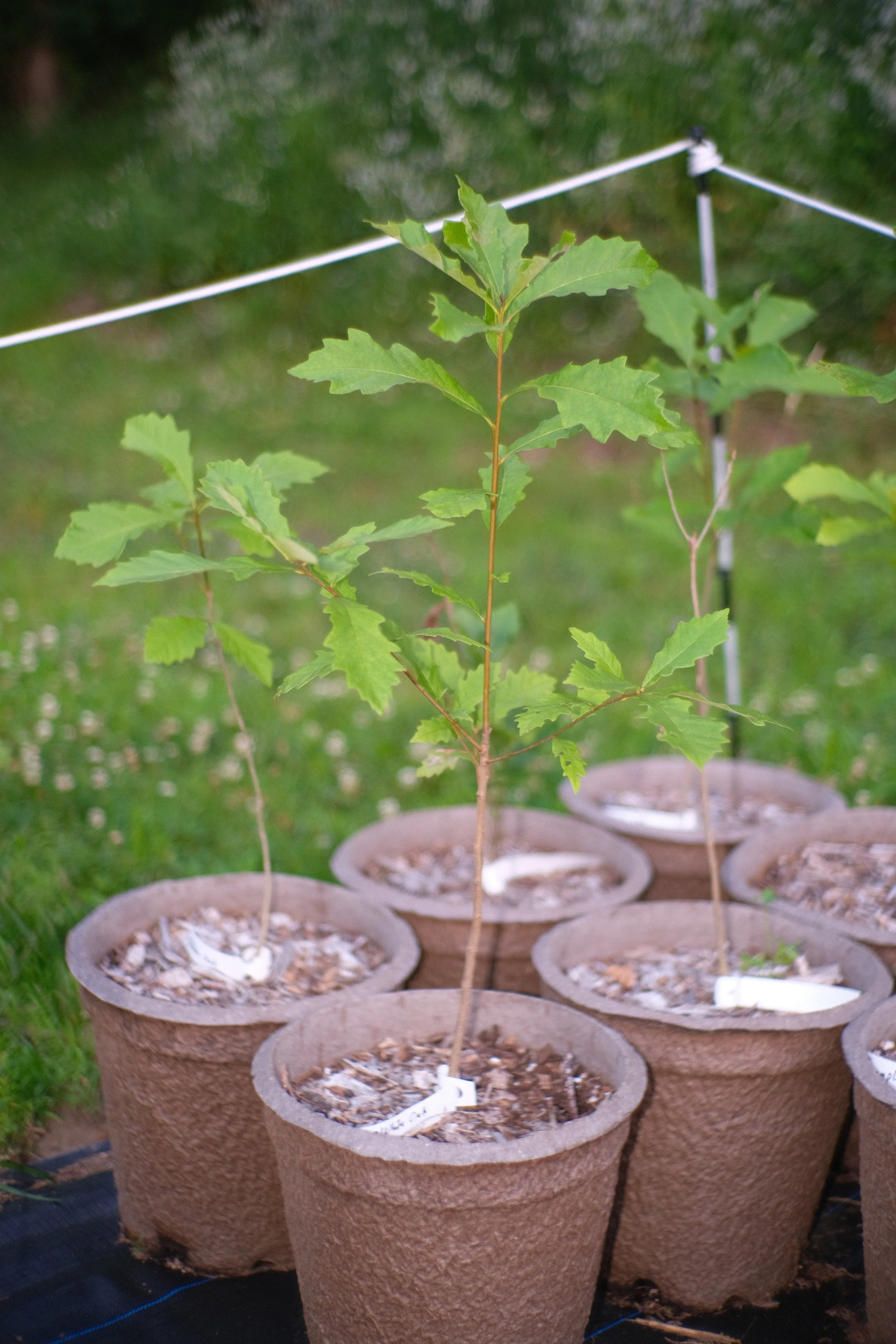
Swamp White Oak (Quercus bicolor) is a durable, long-lived native oak tolerant of wet, poorly drained soils. It features two-toned leaves — dark green above, silvery beneath — and develops handsome, flaking bark with age. It blooms in mid-spring, though the flowers are inconspicuous, and grows best in full sun to part shade with moist to wet soil.
Shagbark Hickory (Carya ovata) is easily recognized by its distinctive bark, which peels away in long, shaggy vertical strips on mature trees. It produces sweet, edible nuts favored by both people and wildlife, along with excellent golden fall color. It blooms in mid-spring, though the flowers are inconspicuous, and grows best in full sun to part shade with moderate, well-drained soil.
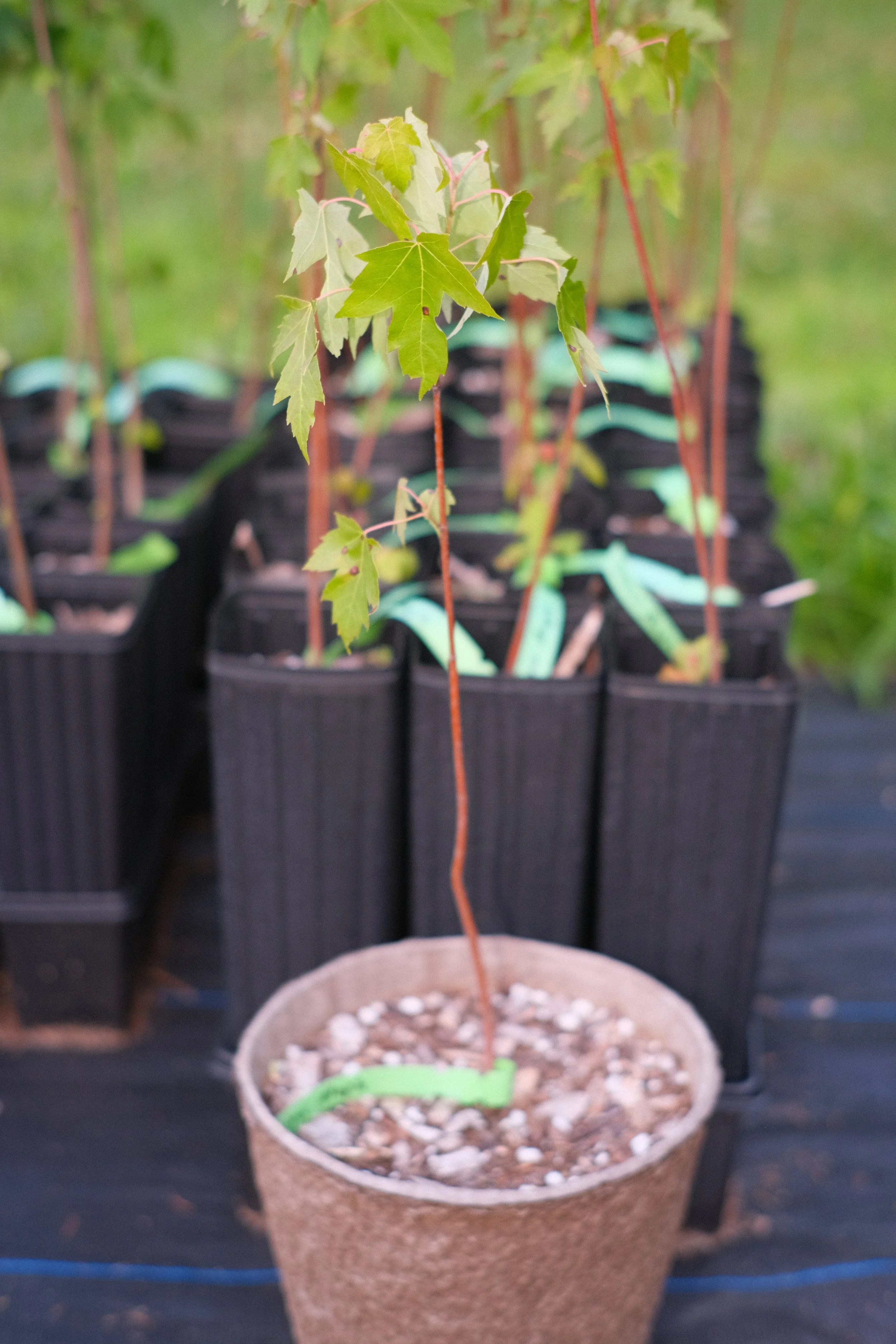
Silver Maple (Acer saccharinum) is a fast-growing shade tree with deeply cut leaves that show a silvery underside, fluttering attractively in the wind. It tolerates wet soils well and is often chosen where quick shade coverage is desired. It blooms very early in spring, before its leaves emerge, and grows best in full sun to part shade, adapting well to both moist and wet soils.
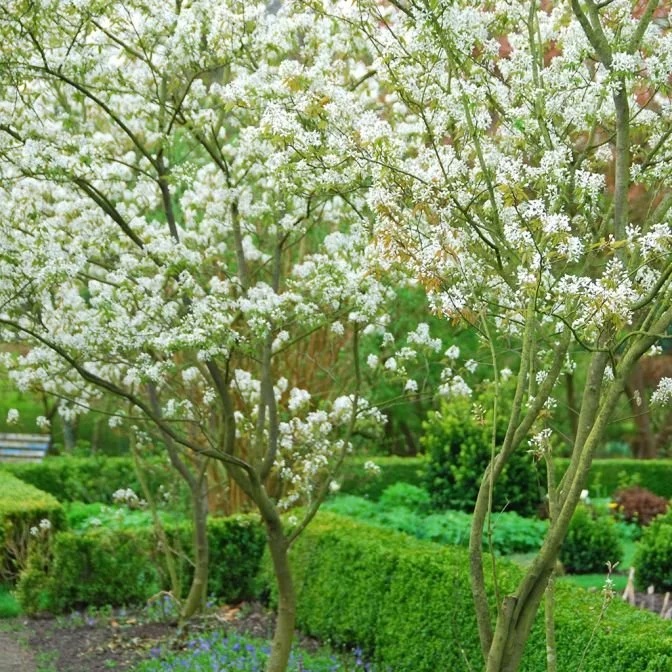
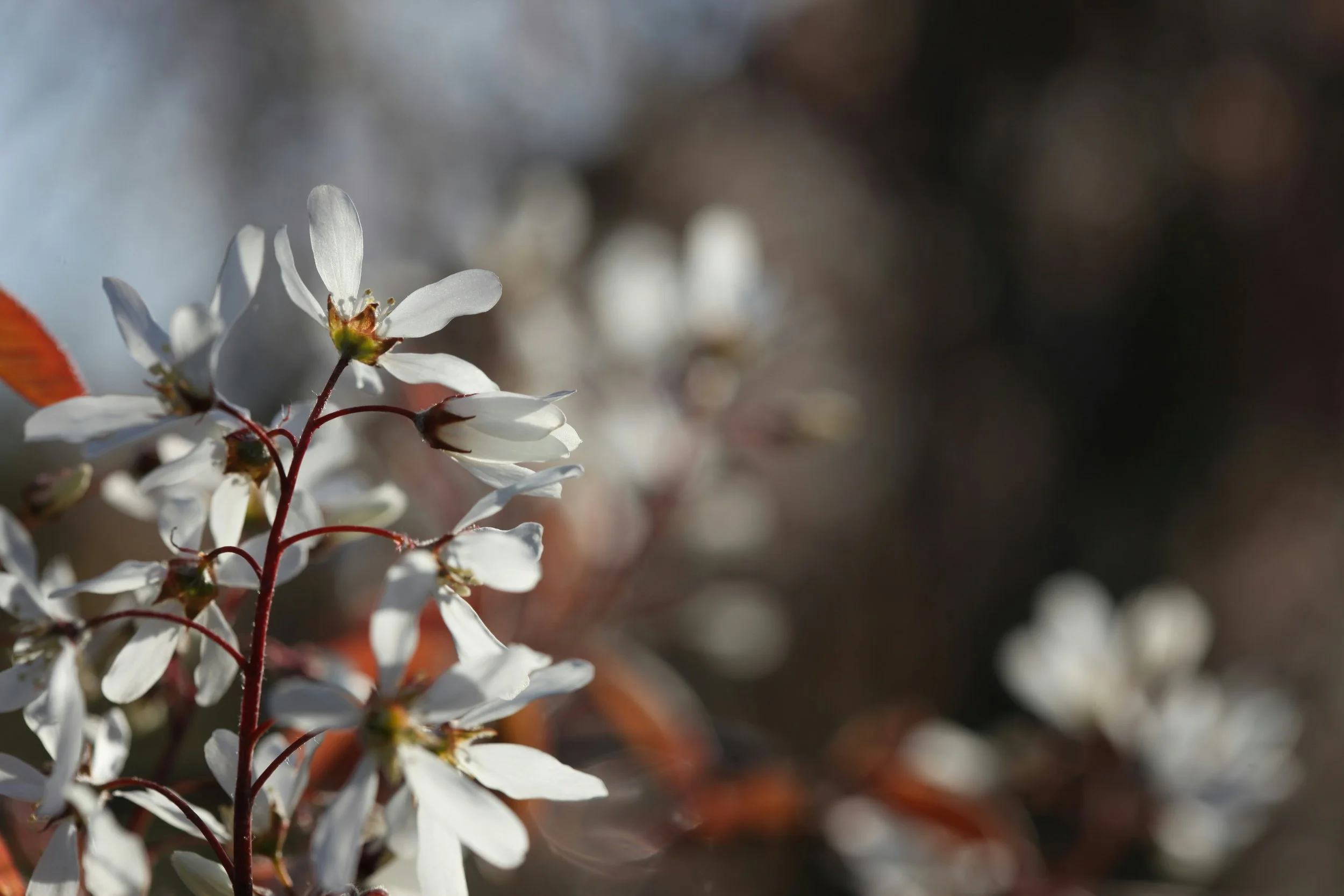
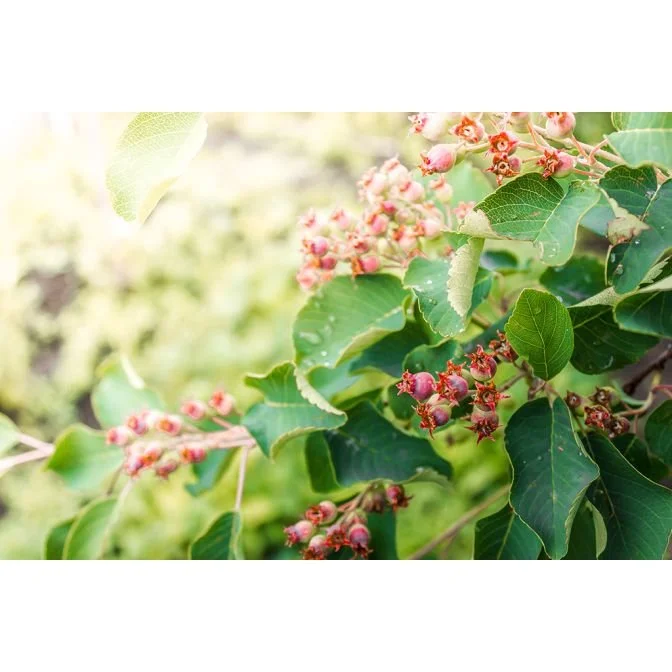
Downy Serviceberry (Amelanchier arborea) produces a profusion of white flowers in early spring, often before other trees have leafed out, followed by sweet edible berries. It offers attractive gray bark and reliable orange-to-red fall foliage. It blooms in early spring and grows best in full sun, part shade, or shade with moderate, well-drained soil.
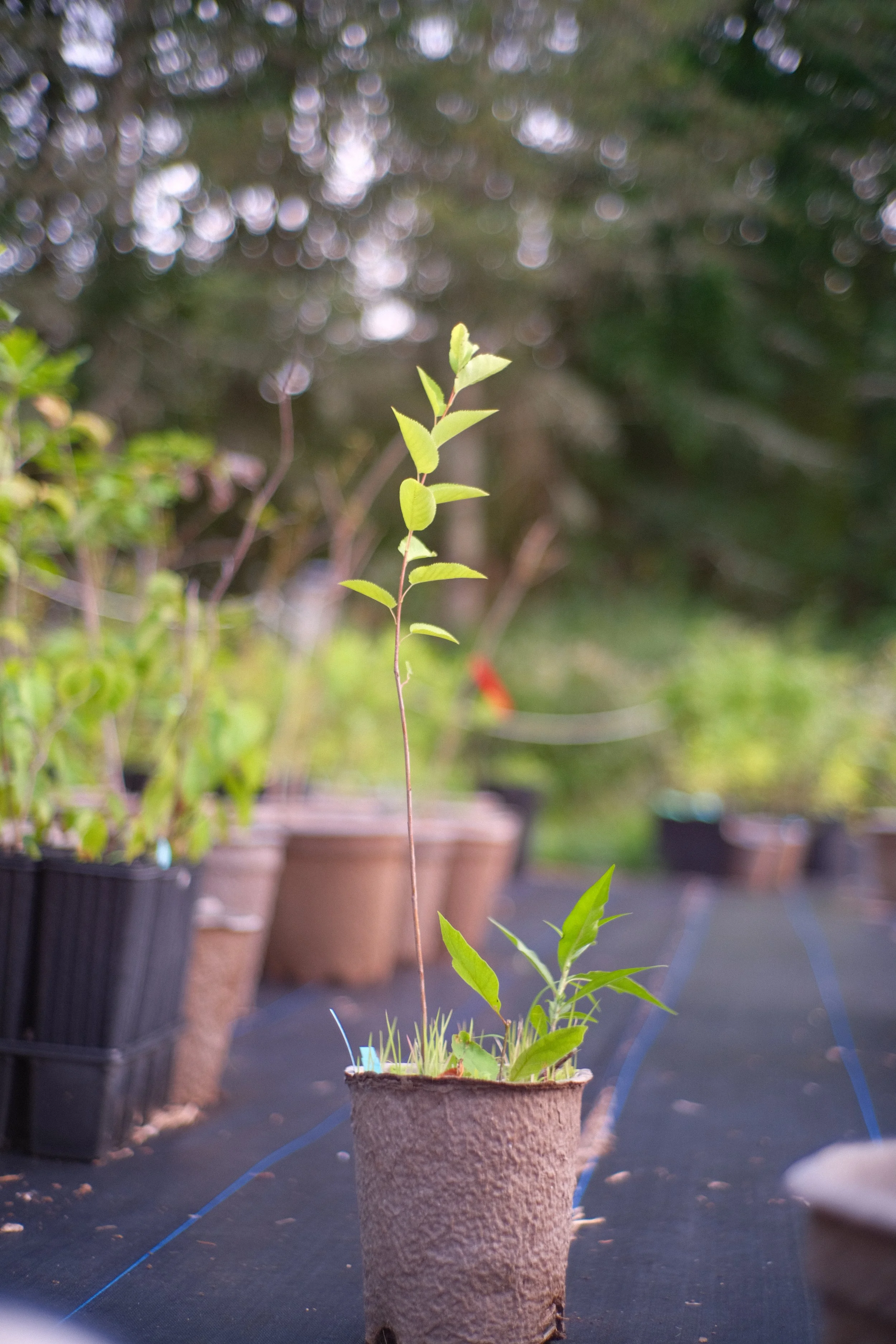
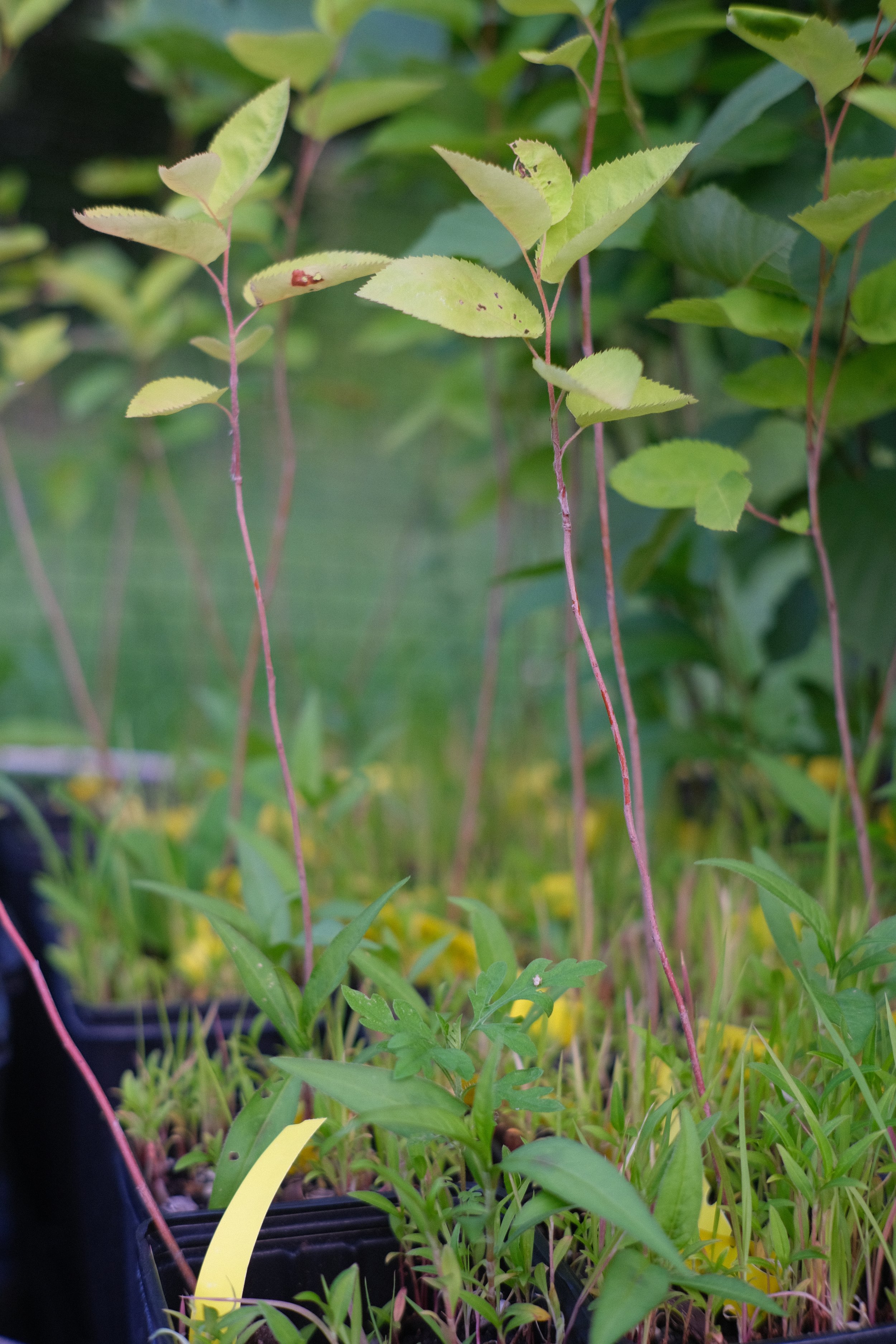
Allegheny Serviceberry (Amelanchier laevis) is a native small tree or large shrub with delicate white flowers in early spring, followed by sweet, edible purple berries relished by birds, and vibrant orange-red fall color. It blooms in early spring and grows best in full sun to part shade with moderate, well-drained soil.
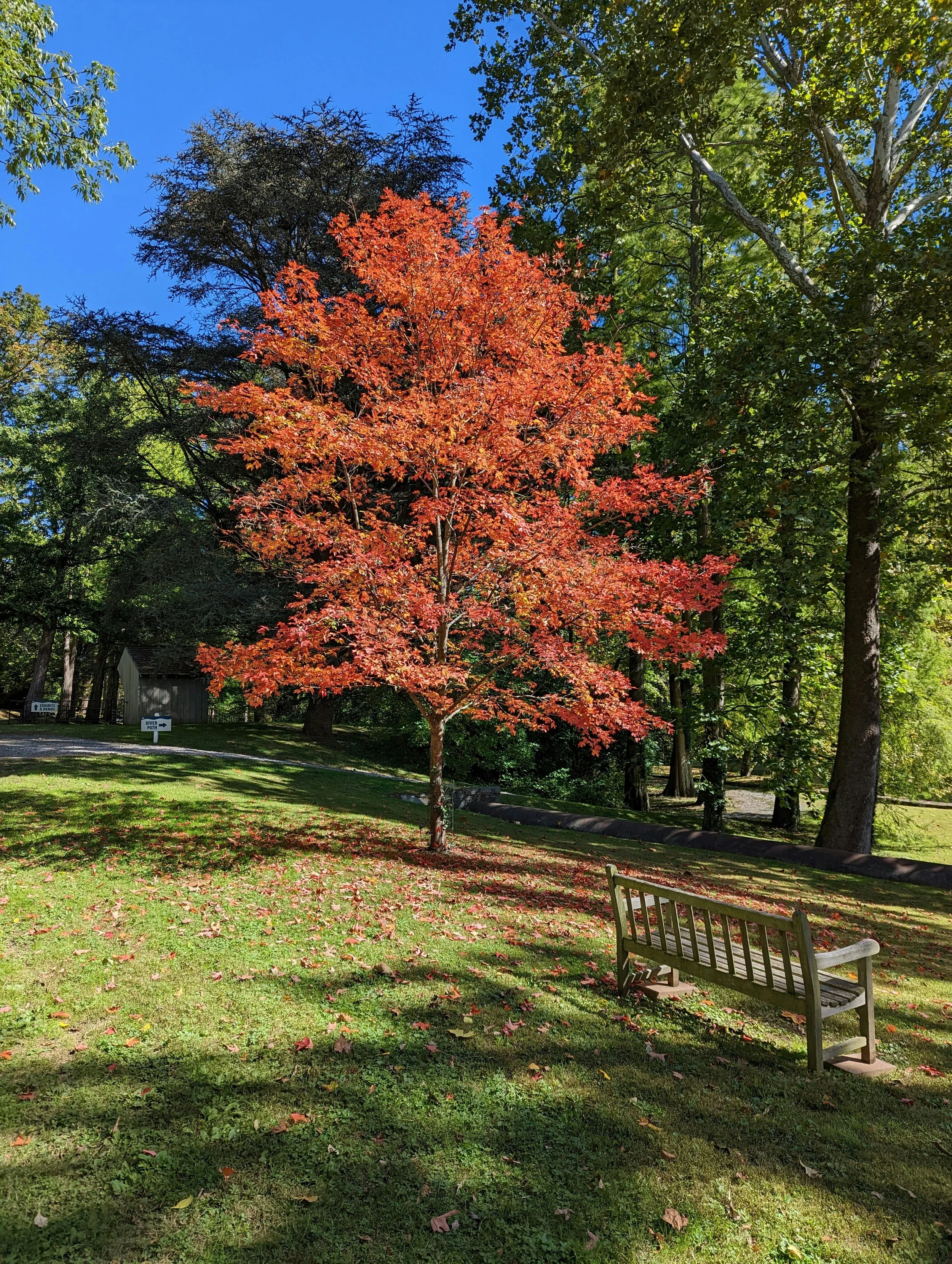
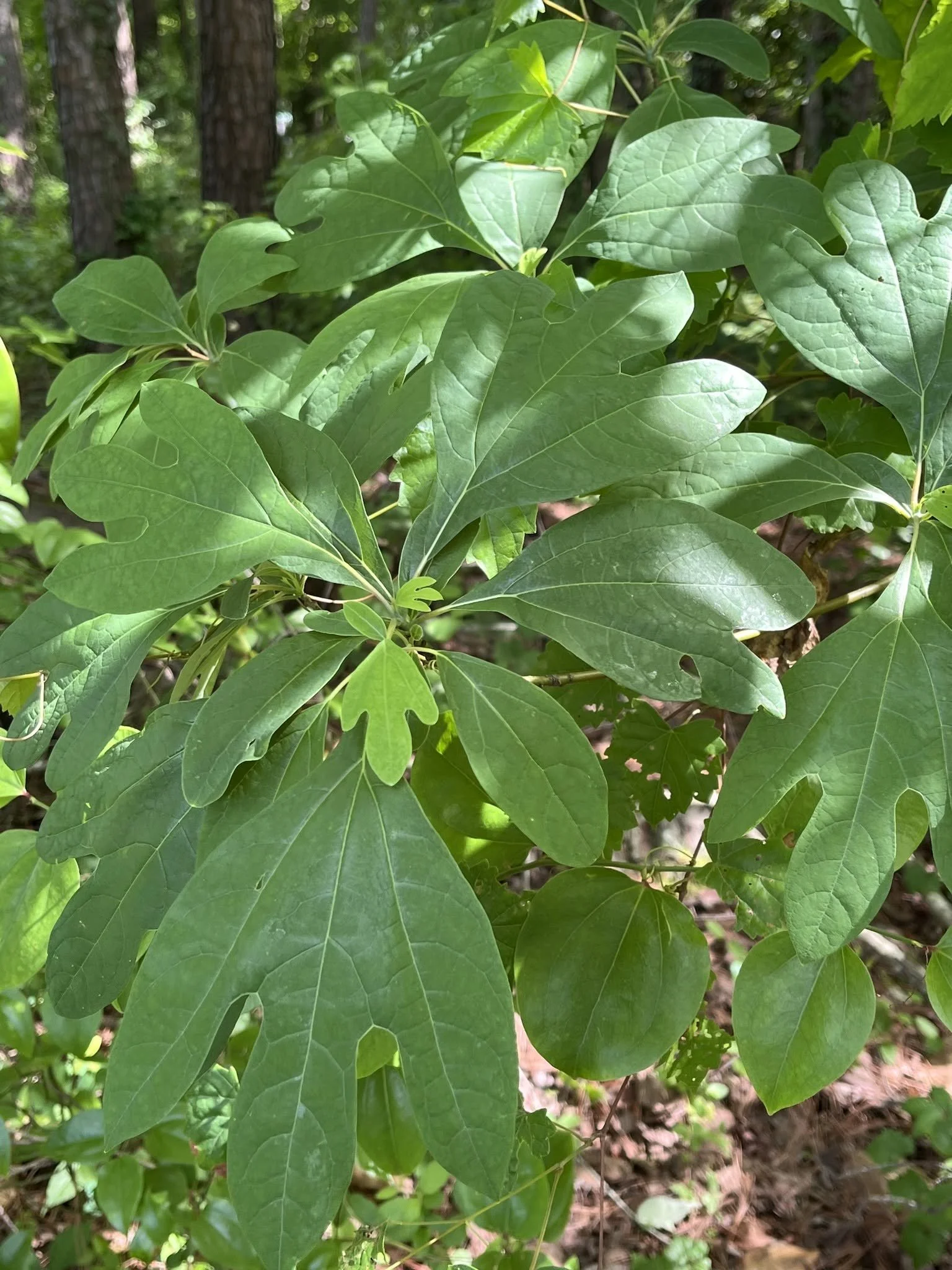
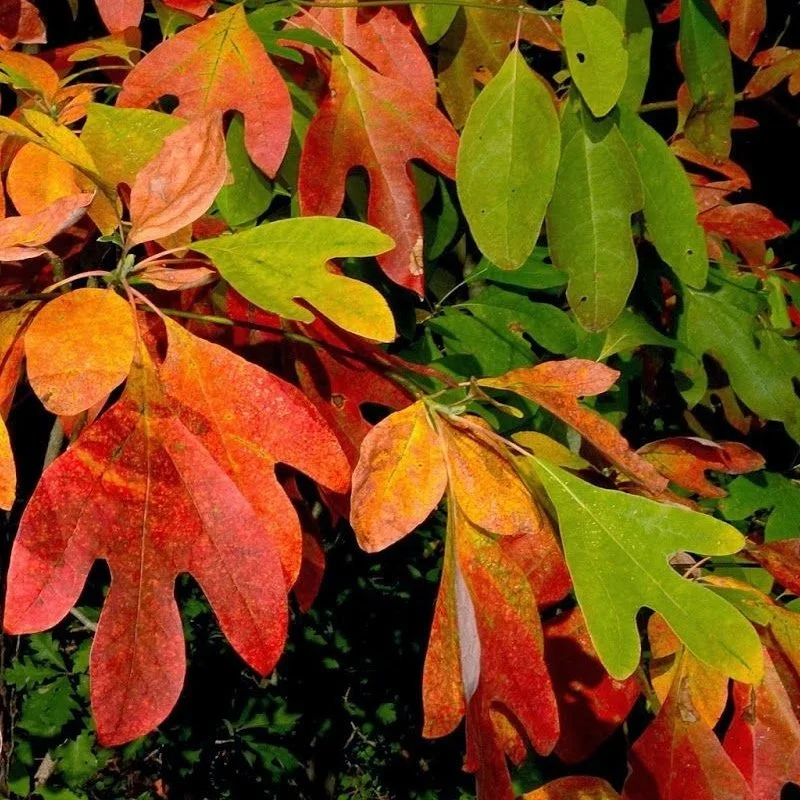
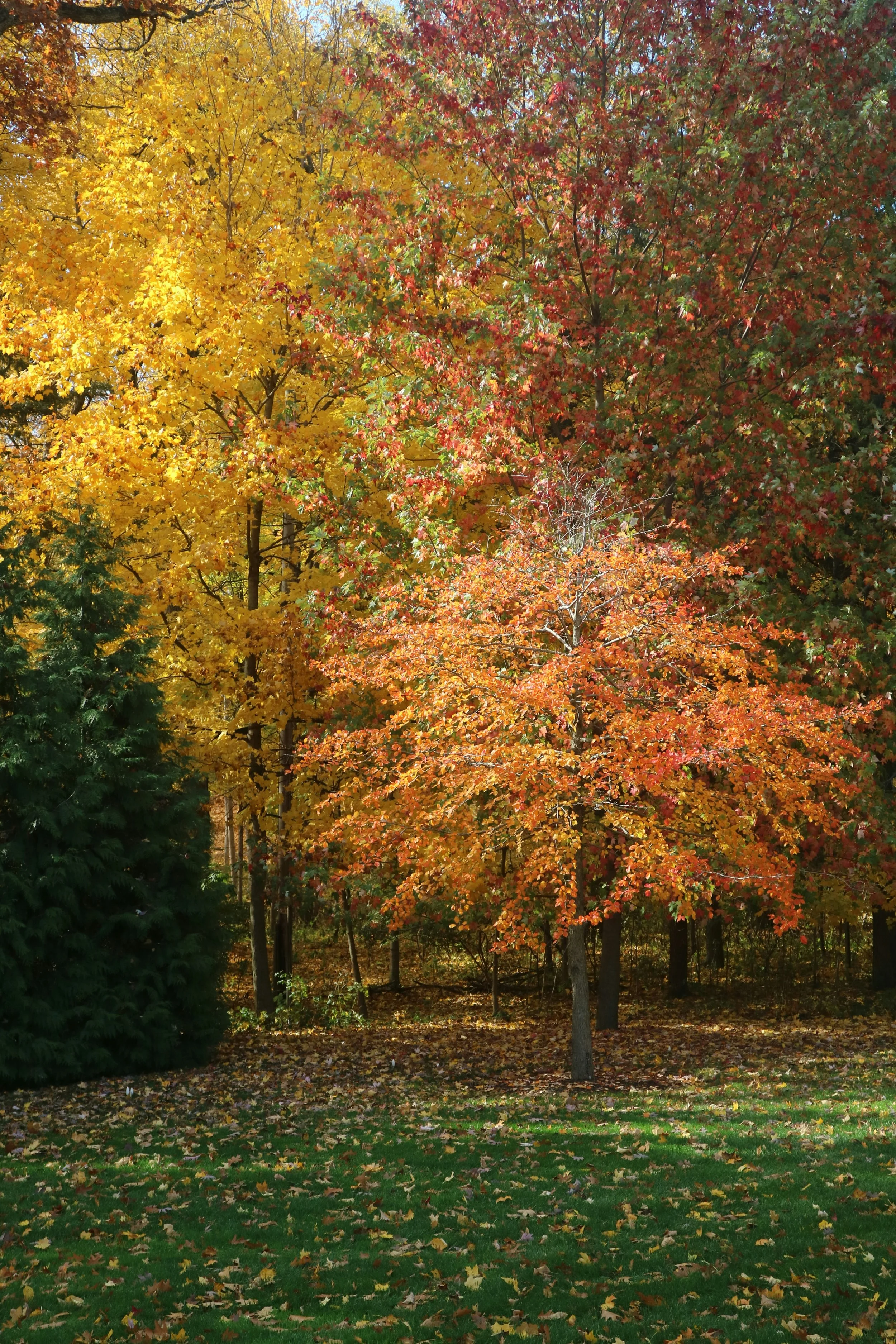
Sassafras (Sassafras albidum) is a native tree easily recognized by its distinctively shaped leaves, which can be oval, mitten-shaped, or three-lobed even on the same branch. It offers outstanding orange, red, and purple fall color and aromatic bark, twigs, and roots. It blooms in mid-spring, before its leaves emerge, and grows best in full sun to part shade with moderate to dry, well-drained soil. Very easy to grow it’s a great addition to any yard or garden. It is highly regarded for restoring depleted soils in old fields, has a deep taproot and is highly drought tolerant once established.
It is often grown as an ornamental tree, known for the unusual leaves and aromatic scent. They have a distinctive orange-brown bark or yellow bark. Sassafras roots do send up shoots that can turn a single tree into a small thicket over time if not pruned but is not considered invasive and can be easily controlled and grown into a singular tree or small cluster. A singular tree will typically grow 30-60’ tall (sometimes up to 100’ or more), with a dense pyramidal shape. In fall its foliage turns brilliant orange, gold, crimson, and purple. In winter the tiered layers of horizontal branches, and sympodial shape provide an attractive and interesting shape for the winter garden effect. It is known to grow in full or part sun, but in New England is often found growing wild in deep shade as well.
Native ranges from southern Maine, west to Iowa, and south to central Florida. Acts as a larval host for swallowtail butterflies and provides fruit for many species local birds and small mammals. Native ranges from southern Maine, west to Iowa, and south to central Florida.
Native American tribes used the leaves of sassafras to treat wounds by rubbing the leaves directly into a wound and used different parts of the plant for many medicinal purposes.
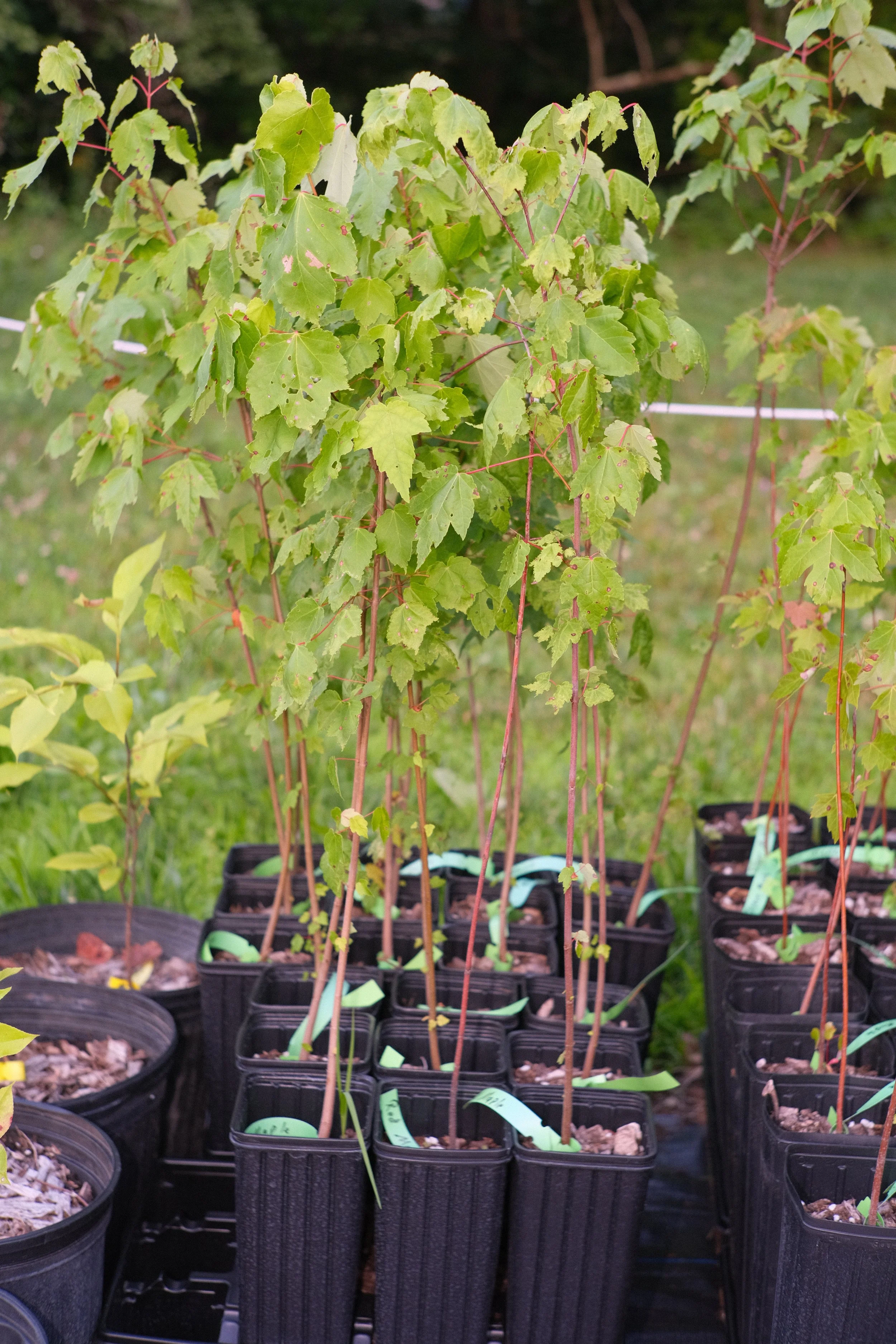
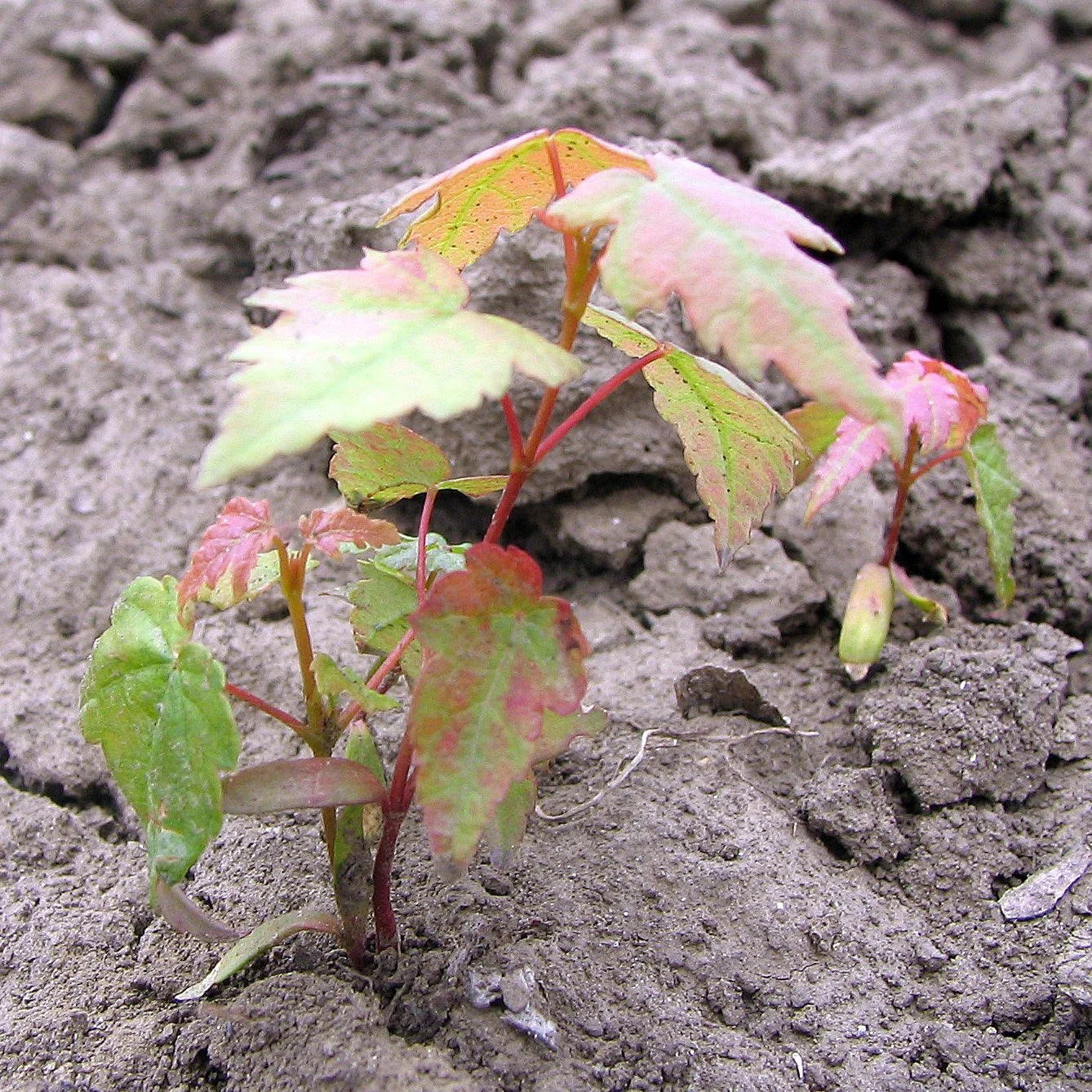
Red Maple (Acer rubrum) is one of the most widely adaptable native shade trees, thriving in wet or dry soils and producing brilliant scarlet fall foliage along with reddish flowers and samaras in spring. It is a fast-growing, reliable choice for home landscapes and reforestation. It blooms very early in spring, before its leaves emerge, and grows best in full sun to part shade, adapting well to both moist and wet soils.
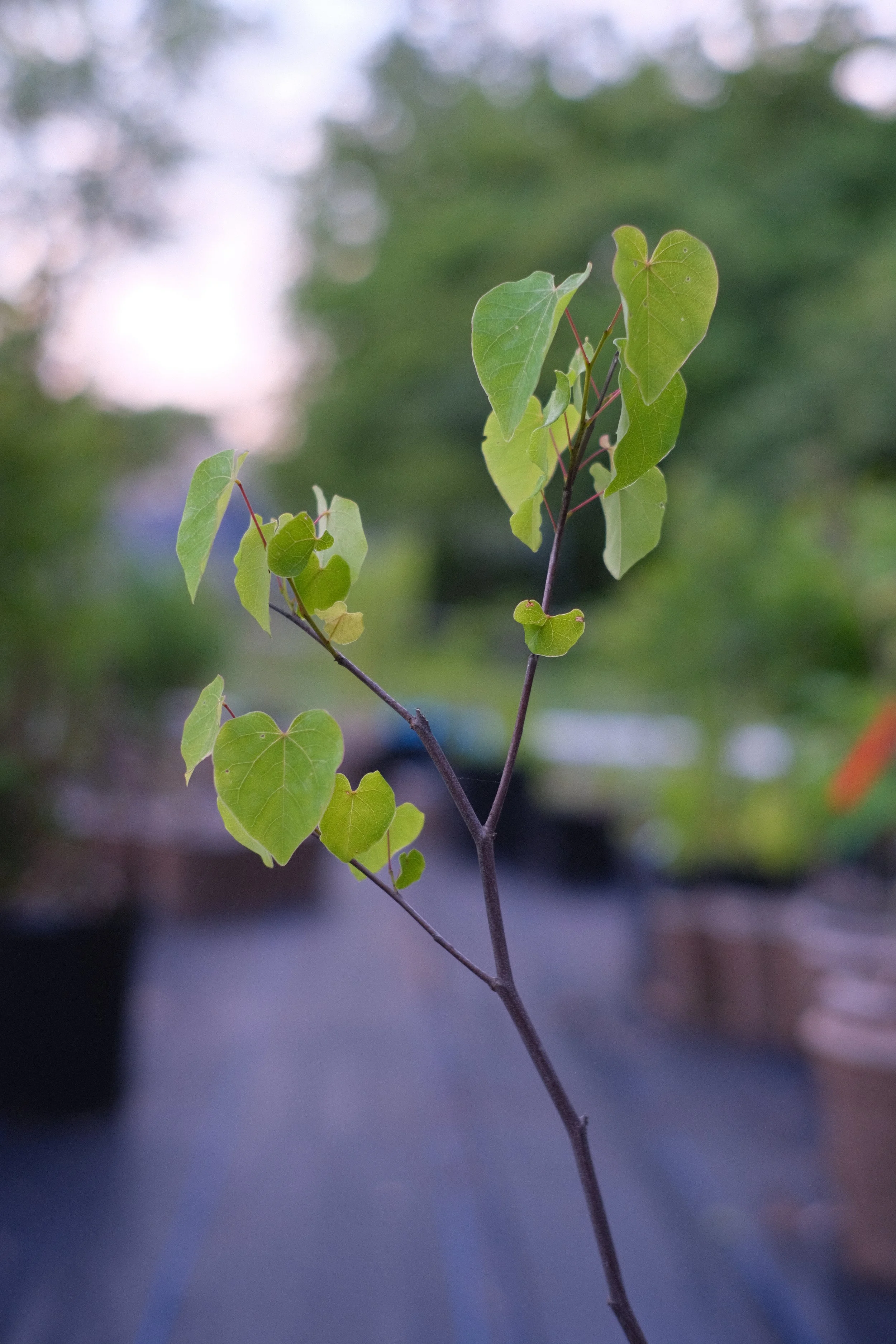
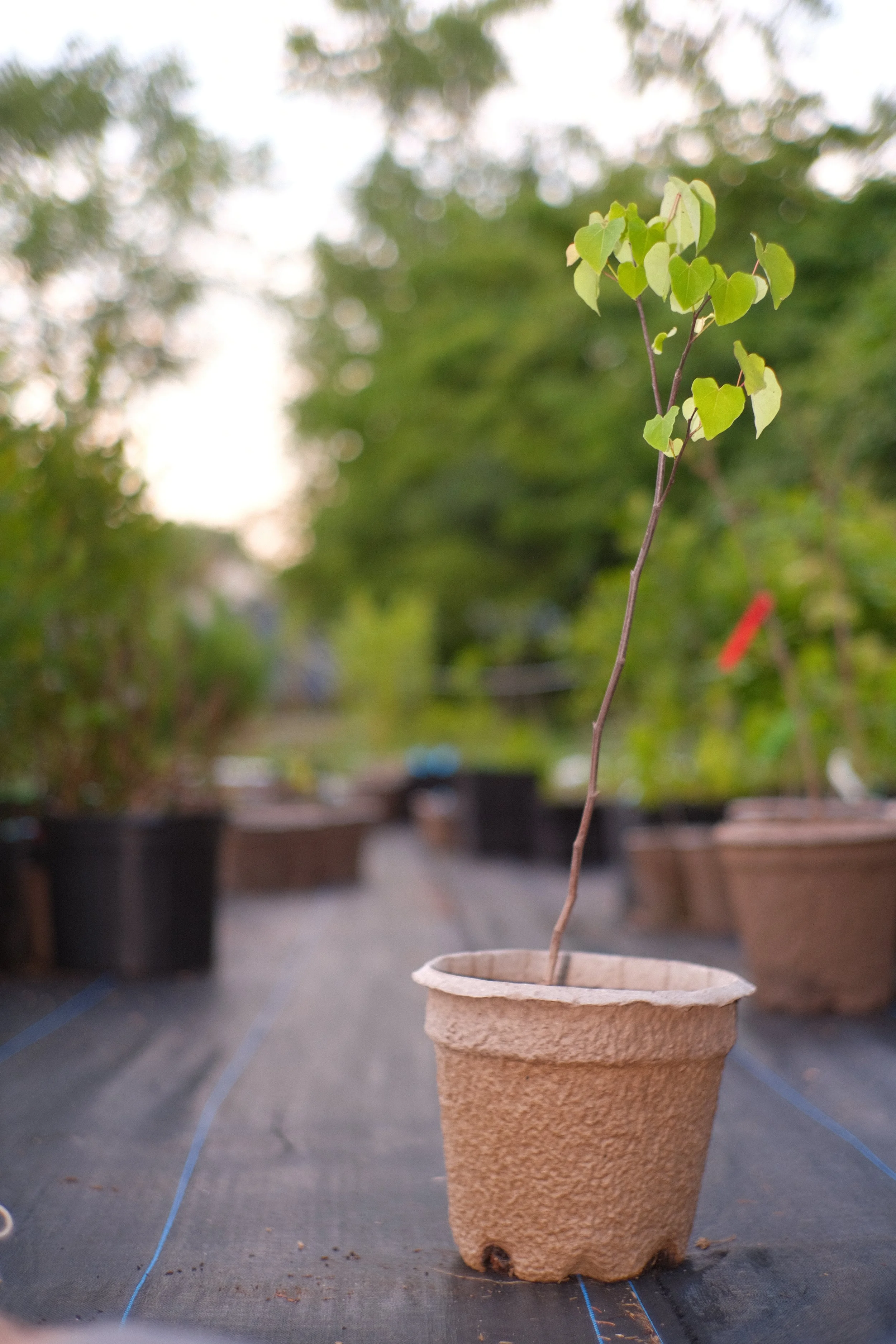
Eastern Redbud (Cercis canadensis) is a beloved native ornamental tree, among the first to bloom each spring with clusters of pink-purple flowers that appear directly on bare branches before the heart-shaped leaves emerge. It is a reliable, adaptable small flowering tree for sun or part shade. It blooms in early spring, before its leaves emerge, and grows best in full sun to part shade with moderate, well-drained soil.
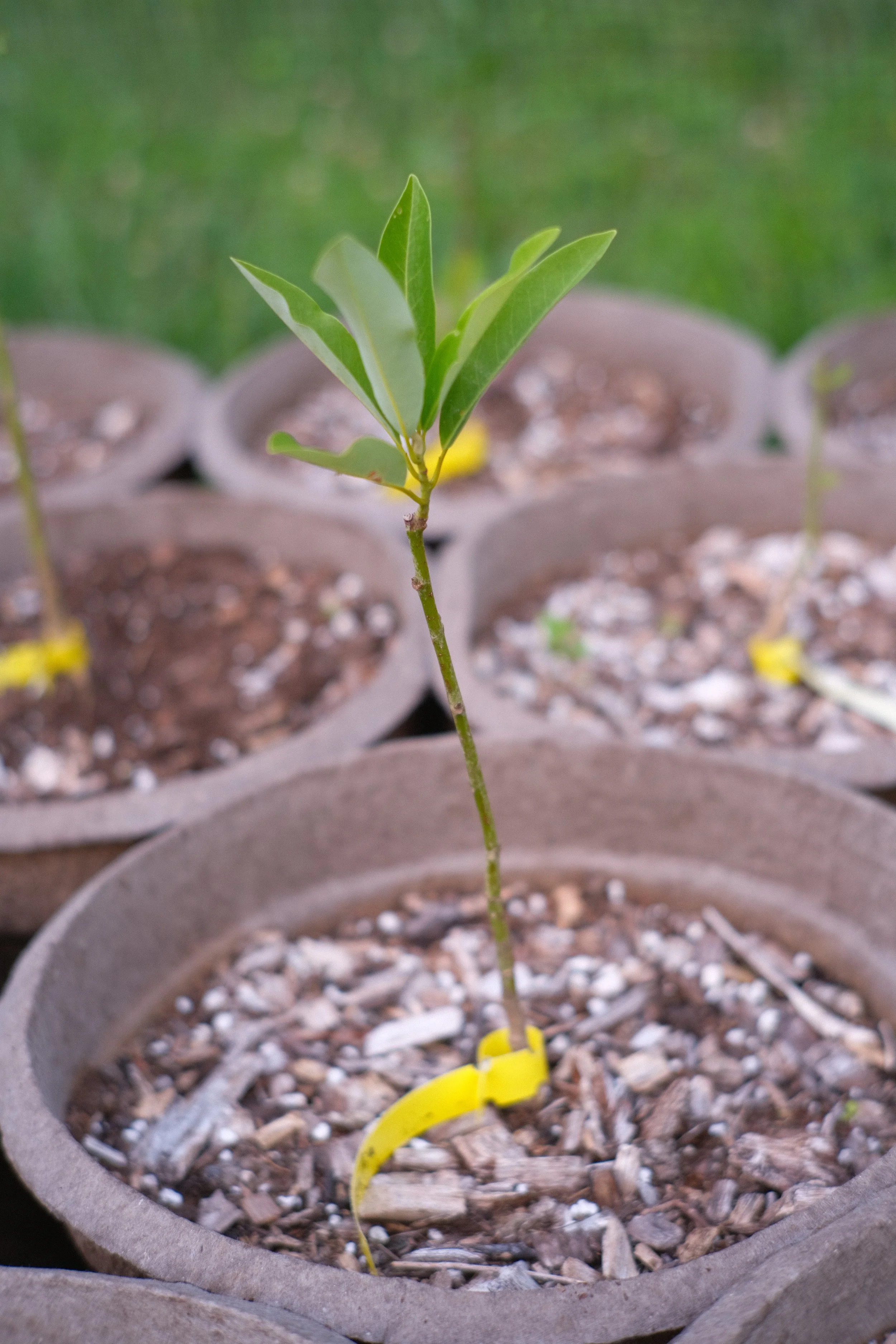
Sweetbay Magnolia (Magnolia virginiana) is a graceful, semi-evergreen native tree with creamy white, lemon-scented flowers that bloom over an extended period in late spring and summer. It tolerates wet soils better than most magnolias, making it well suited to rain gardens and low-lying sites. It blooms over an extended period from late spring through summer, and grows best in full sun to part shade with moist to wet soil.
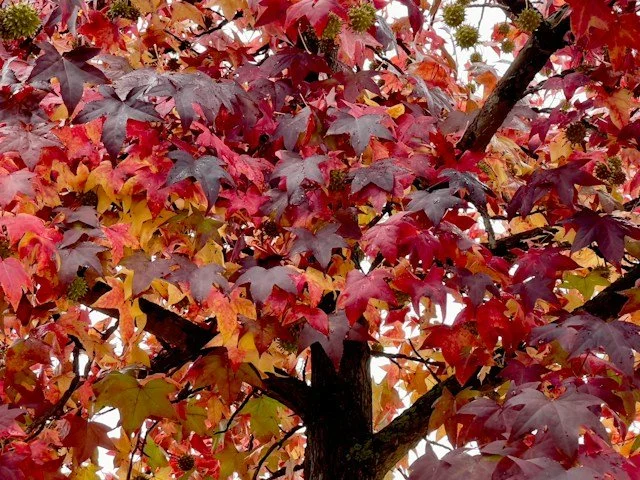
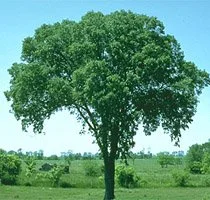
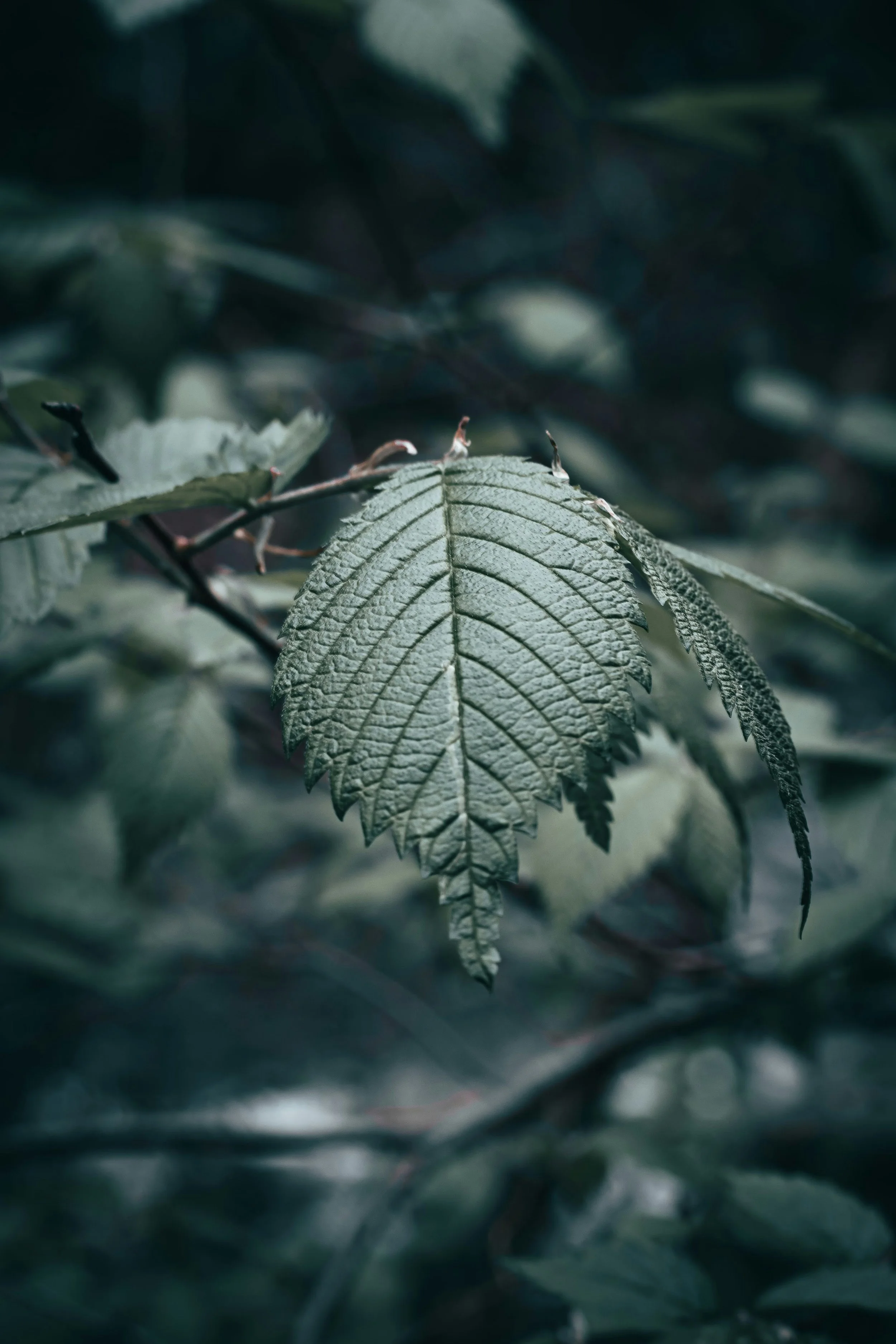
American Elm (Ulmus americana) is a large deciduous tree and are a natural component of many types of natural forests. They are native to the Eastern portion of Northern Hemisphere. The are a can live for several hundred years, and can grow to over 100’ tall. It is a very hardy species which can resist very cold temperatures. Widely planted in residential neighborhoods. These statuesque trees grow naturally from Nova Scotia to Florida, and west to Texas and into the Rockies, although they grow the largest and hardiest in the North Eastern US. This is the State Tree of Massachusetts, and North Dakota.
Starting in the 1920, the introduction of invasive Elm Bark Beetles to North America, lead to the spread of Dutch Elm Disease which has destroyed a vast number of native elms, although some pockets have held out. With determination, scientists and foresters have worked to develop disease resistant varieties.
We are offering a blight resistant variety, which retains the classic vase-shaped canopy and graceful arching branches that once lined countless American streets, while offering improved tolerance to Dutch elm disease. It is a fast-growing, adaptable shade tree suited to a wide range of sites. It blooms very early in spring, before its leaves emerge, and grows best in full sun to part shade with moist, well-drained soil, although it also thrives on hillsides, uplands and other well-drained soils
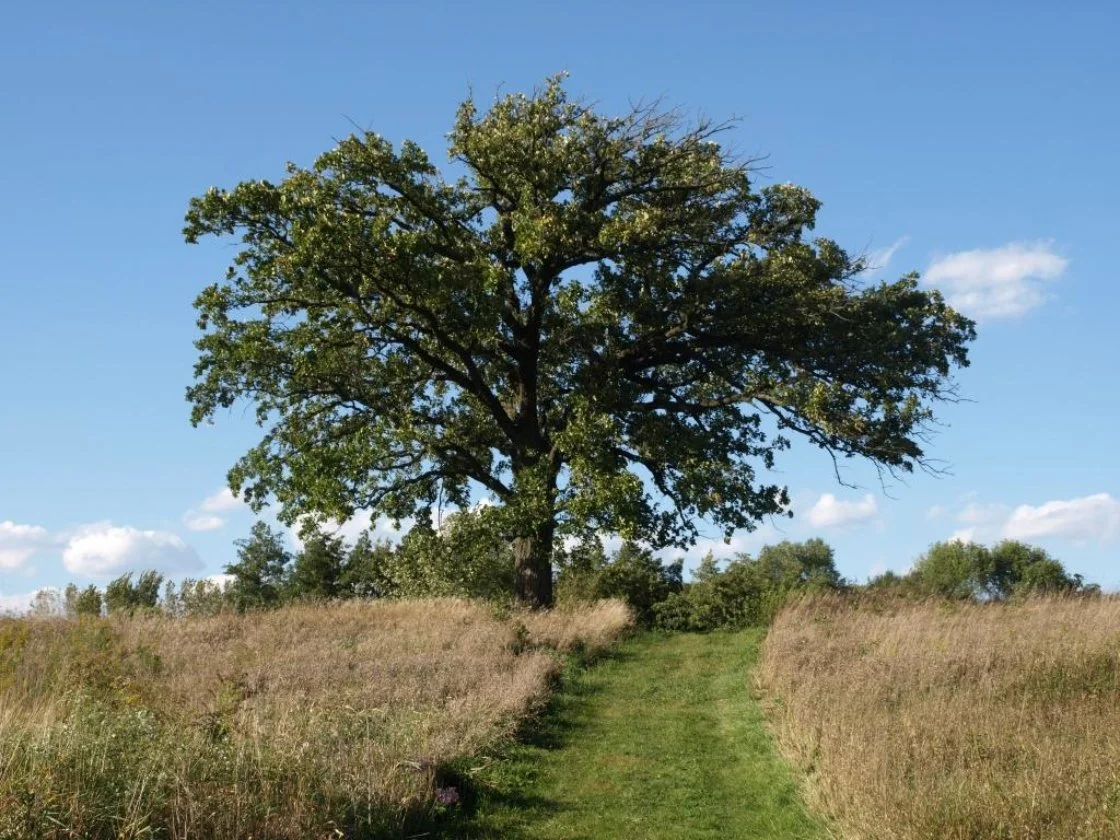
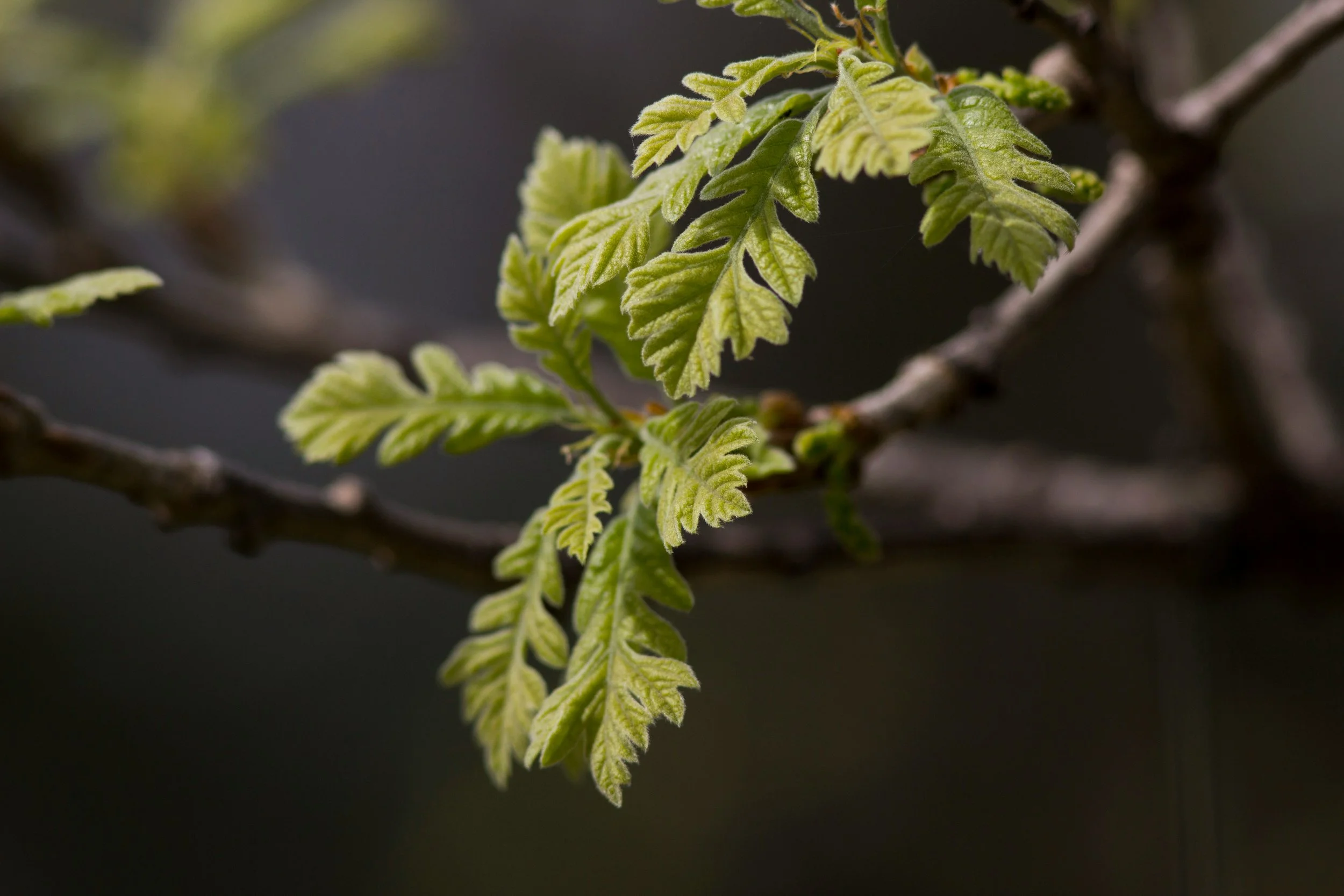
Bur oak (Quercus macrocarpa), (sometimes spelled Burr) is a large, deciduous tree with a very wide, open crown, widely distributed in Eastern and Central North America. Often wider than tall, the tree typically 70-90 ft. in height and width, it can be a great shade tree, features massive trunk, horizontal limbs and rough, deep-ridged bark. These are known to be exceptionally long lived trees. Thrives in a wide variety of conditions, from full sun, part shade or shade, and from moist through dry soils. Known to be highly resistant to harsh weather, and considered one of the most drought resistant oaks. . It is a highly valued tree for the quality of the wood, and benefit to the environment. It is also classified as "special concern" in MA because of its rarity and limited populations in the state. Bur oak is a great selection for reforestation, or as a singular keystone tree in native plant restoration or reforestation efforts.
It produces the largest acorns of any North American oak, which have lower tannin levels than red oak acorns and taste sweeter, making them a favorite food for deer, wild turkeys, squirrels, chipmunks, and ducks. The tree also acts as a larval host for hundreds of native caterpillar, butterfly, and other beneficial species, which are the primary food source for many local insect-eating birds. Large bur oaks provide critical nesting sites for owls, hawks, and songbirds.
Planted for shade, ornament, habitat, and shelter belts, it can be a great selection of keystone tree for supporting wildlife and enhancing the environment. When thinning, the wood quality is prized by woodworkers or construction for it’s very hard wood, similar to white oak and is often used for construction, flooring, barrels, and ship building, due to it’s natural resistance to rot and moisture. A very sturdy oak tree specimen!
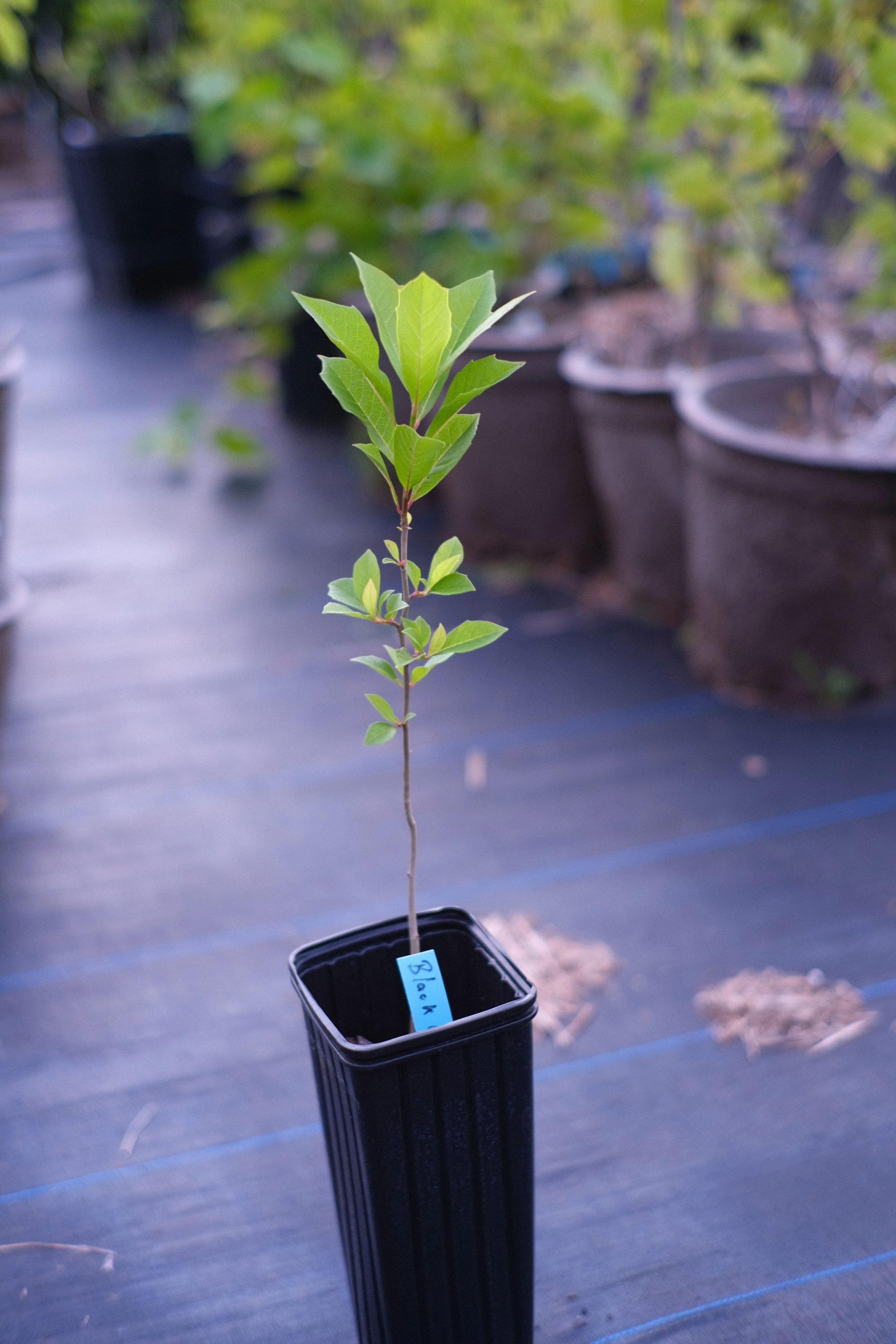
Black Gum (Nyssa sylvatica), also called tupelo, is prized as one of the earliest and most reliable trees for brilliant scarlet fall color. It tolerates both wet and dry soils and provides fruit that is an important late-season food source for birds. It blooms in late spring, though the flowers are inconspicuous, and grows best in full sun to part shade with consistently moist soil.
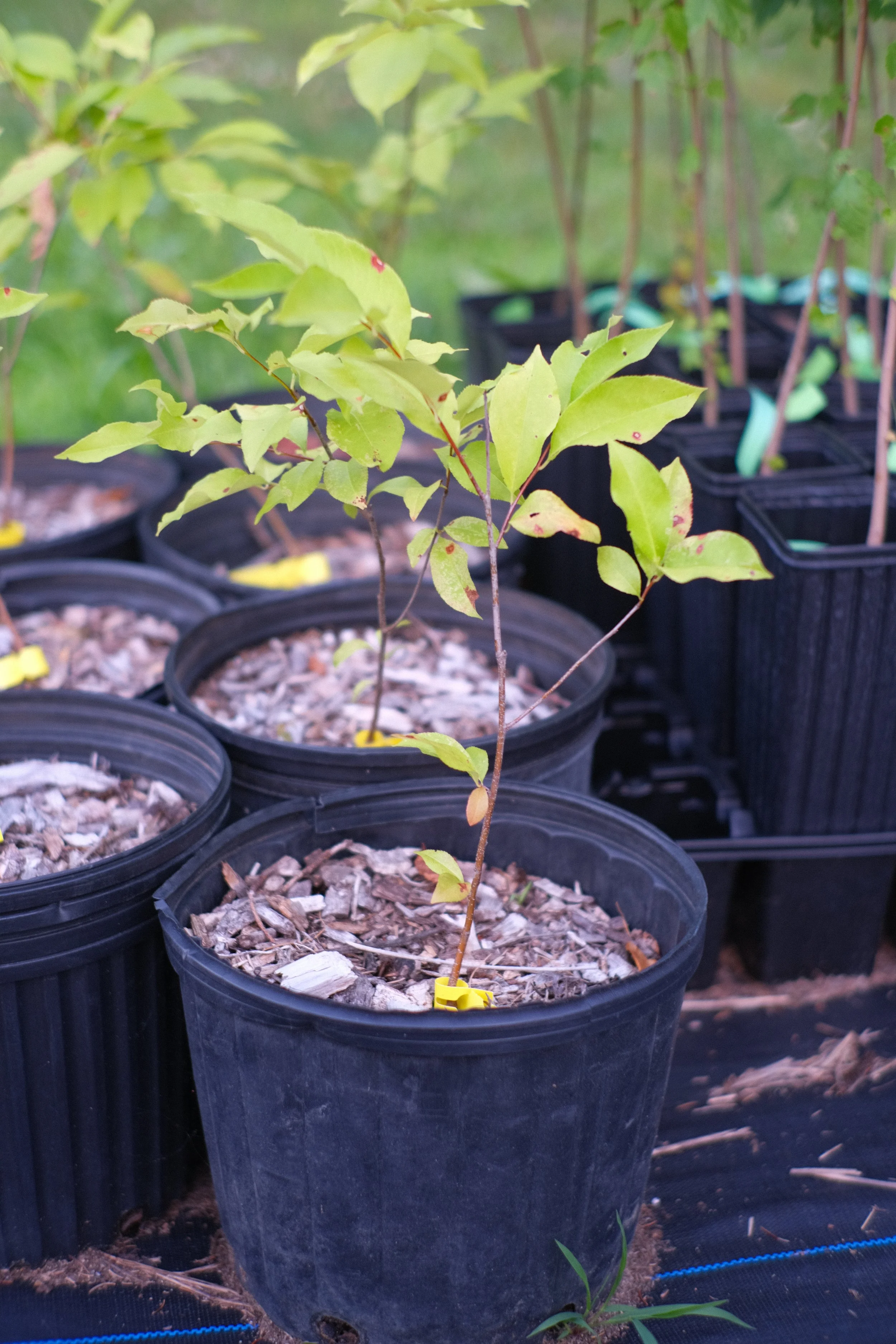
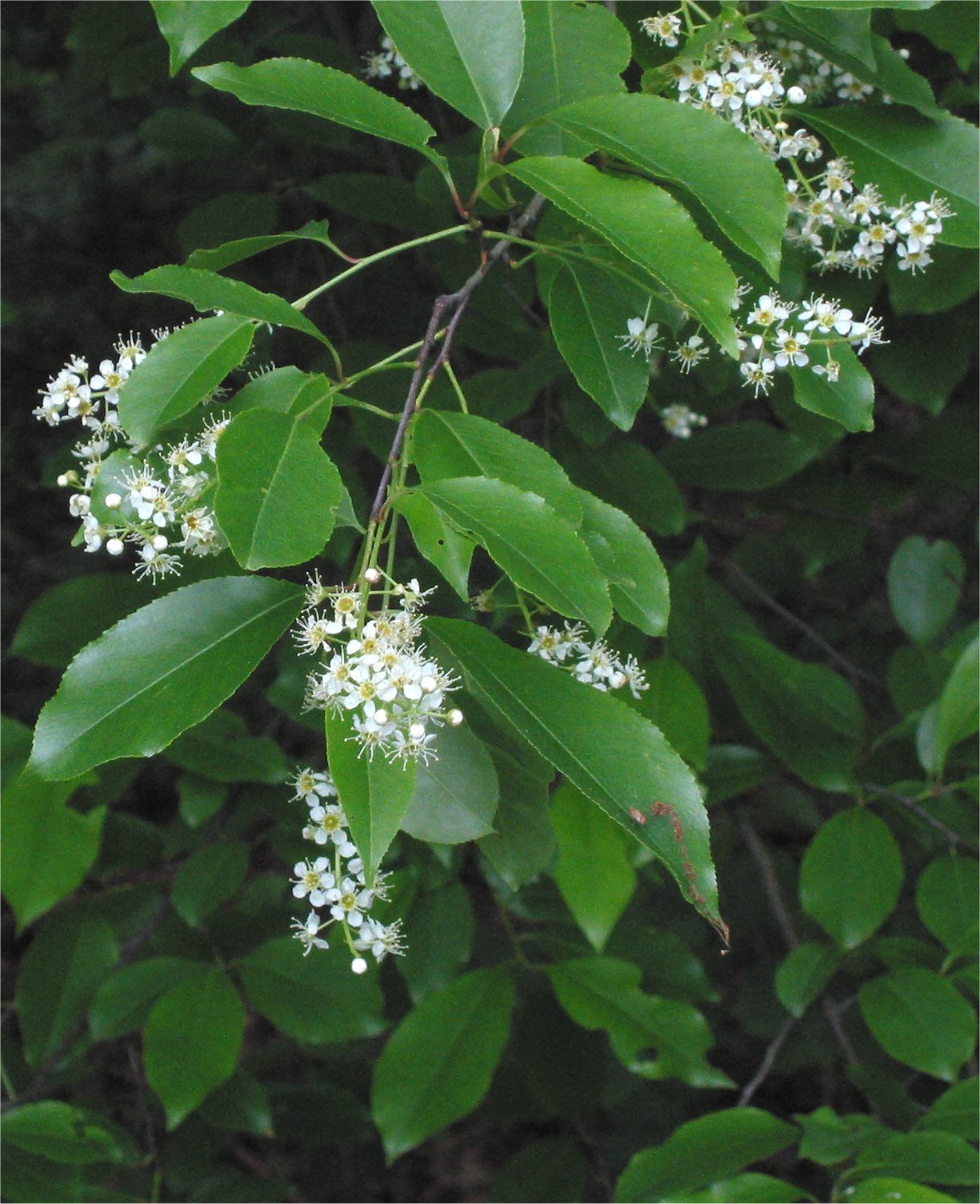
Black Cherry (Prunus serotina) is a native hardwood valued both for its dark, richly grained lumber and its ecological importance, producing white spring flowers and dark summer fruit relished by songbirds and mammals. Mature trees develop distinctive dark, scaly "burnt potato chip" bark. It blooms in mid-spring and grows best in full sun to part shade with well-drained, moderately moist soil.
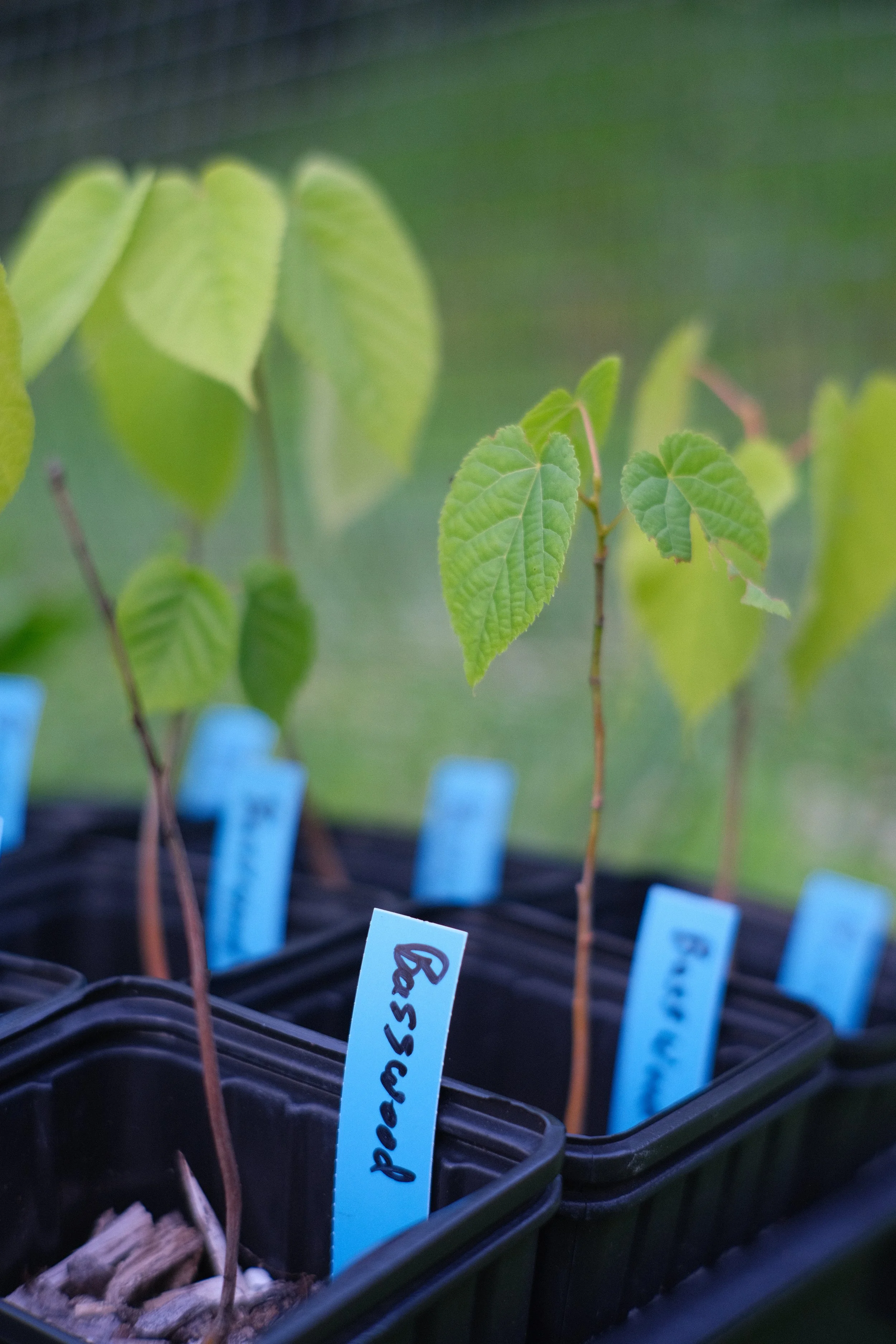
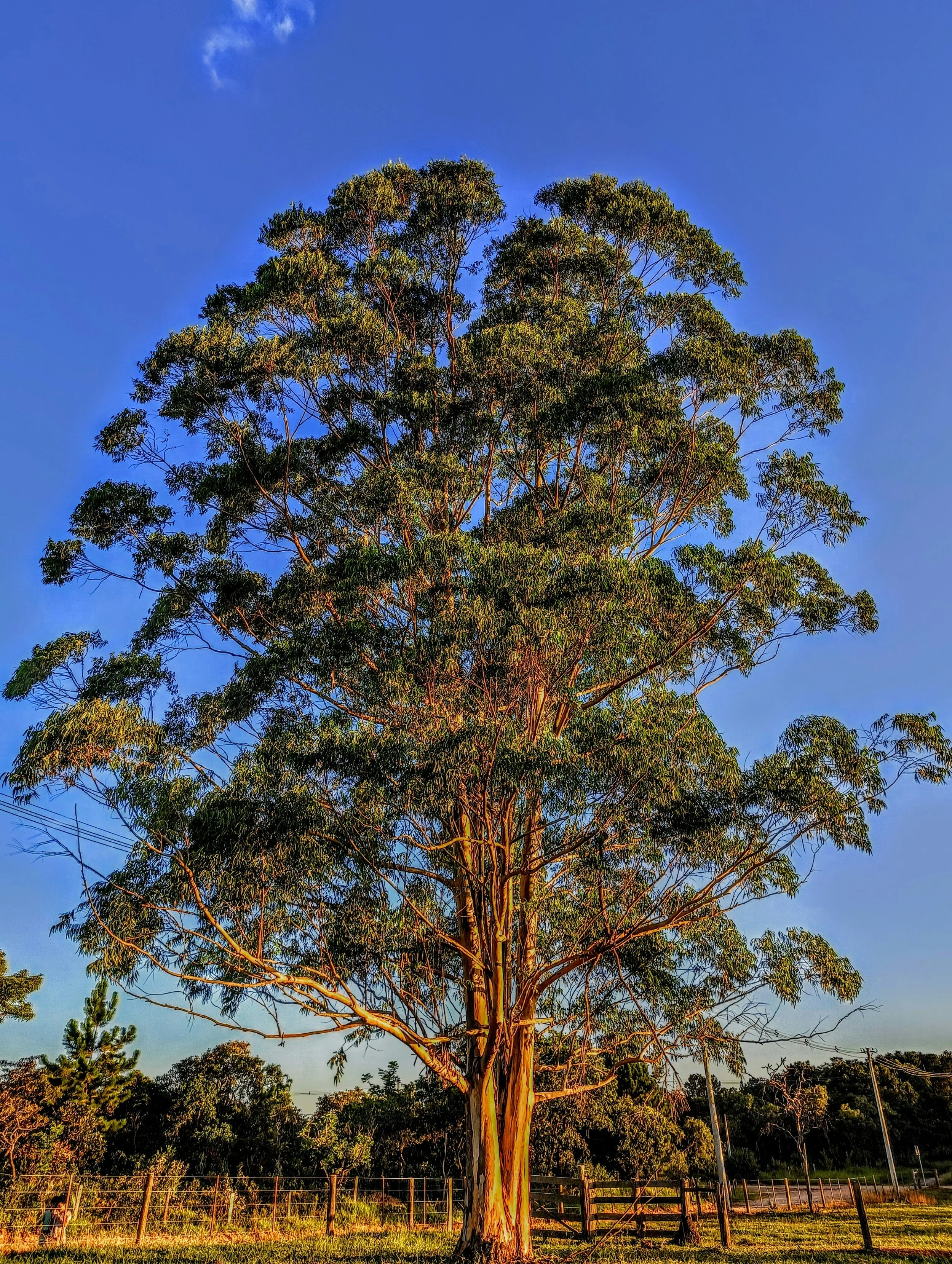
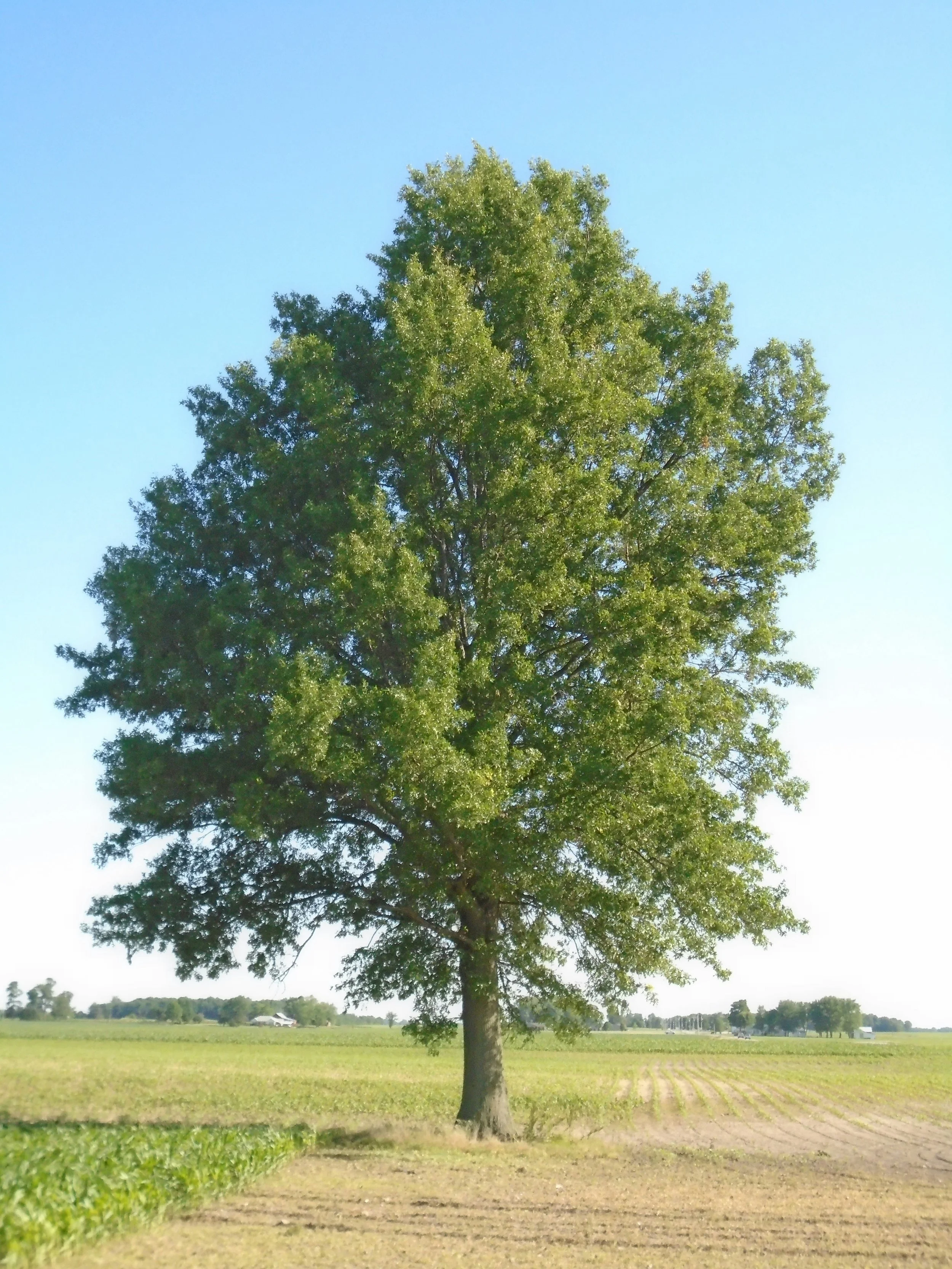
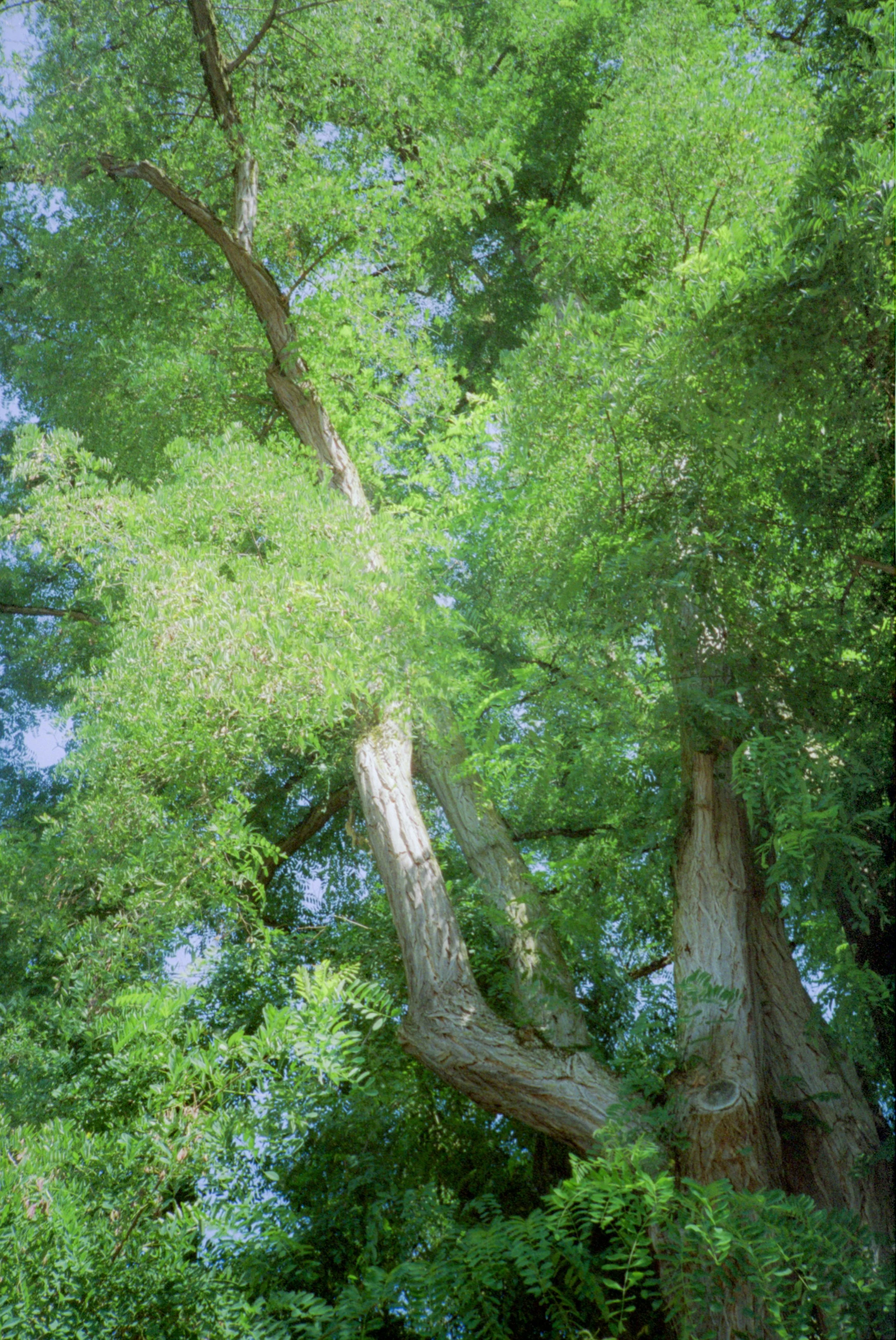
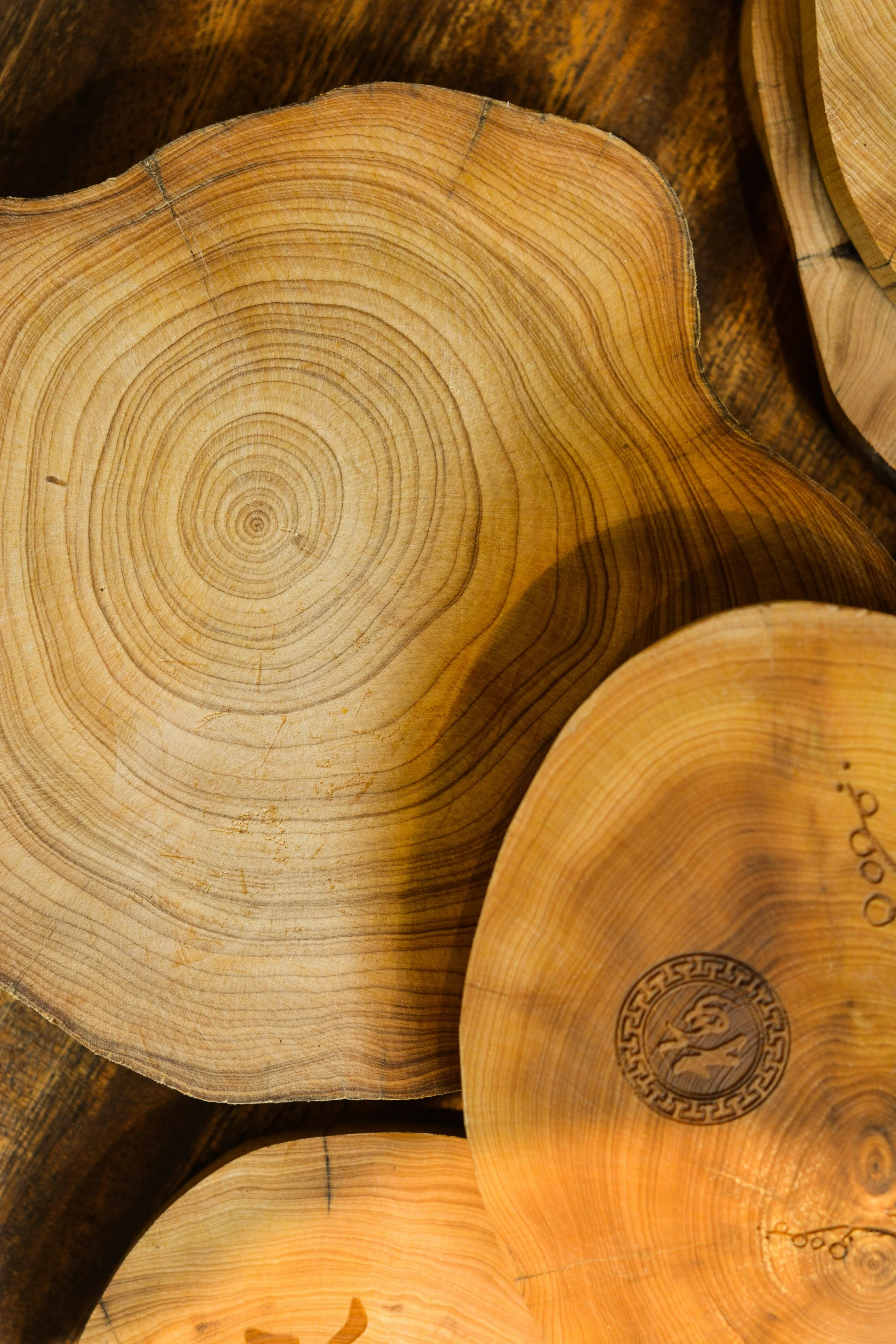

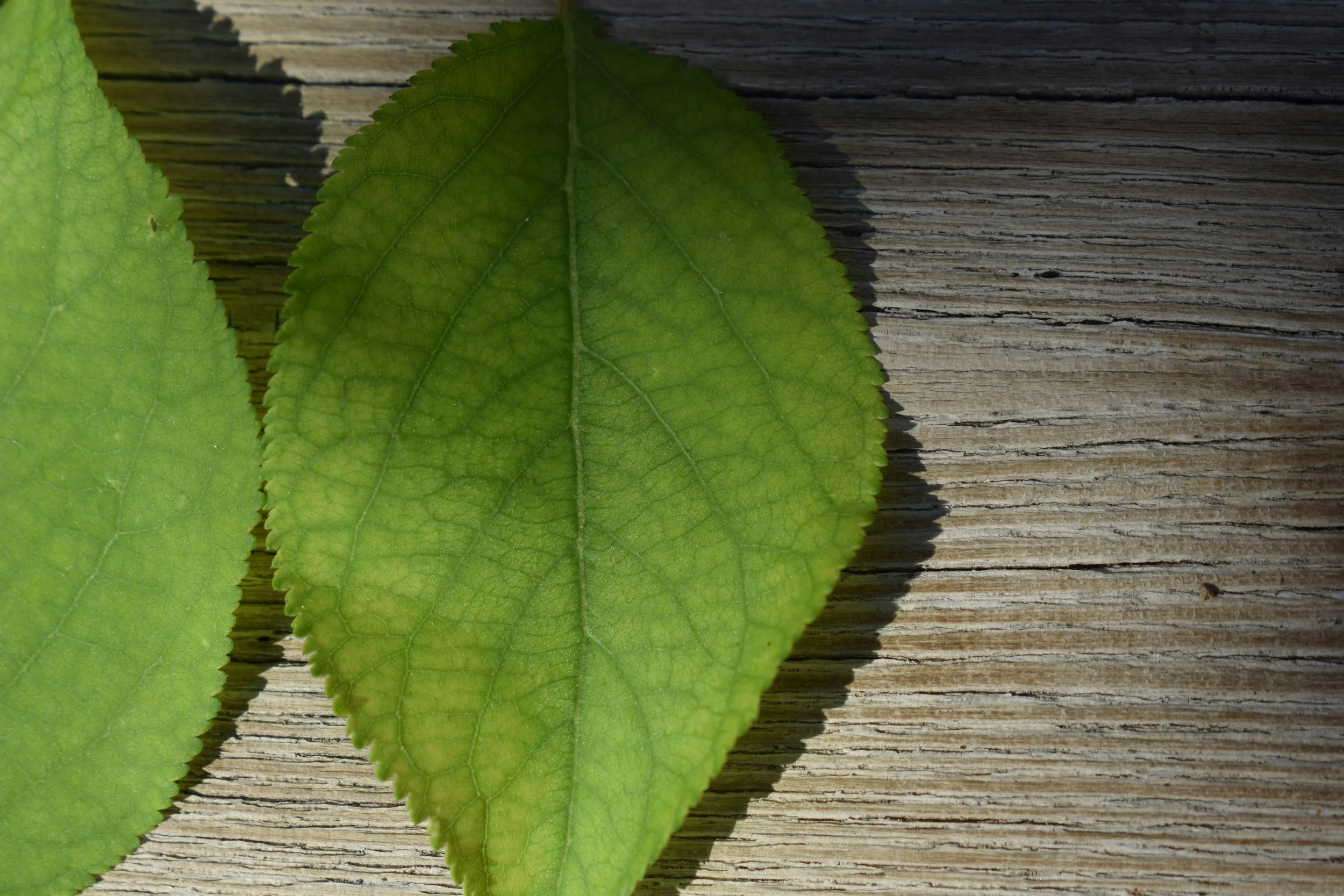
American Basswood (Tilia americana), also known as American linden, is a fast-growing shade tree with large heart-shaped leaves and fragrant, pale yellow flowers in early summer that are a favorite of bees. Its soft, light wood has long been prized for carving. It blooms in early summer and grows best in full sun to part shade with moist, well-drained soil.
Basswood is a highly beneficial tree, it’s known as a pollinator heaven; Spring flowers produce rich nectar that attracts huge numbers of bees, butterflies, and native insects. The foliage hosts over 150 species of butterflies and moths, while songbirds, squirrels, chipmunks, and small mammals eat the small nuts later in the season.
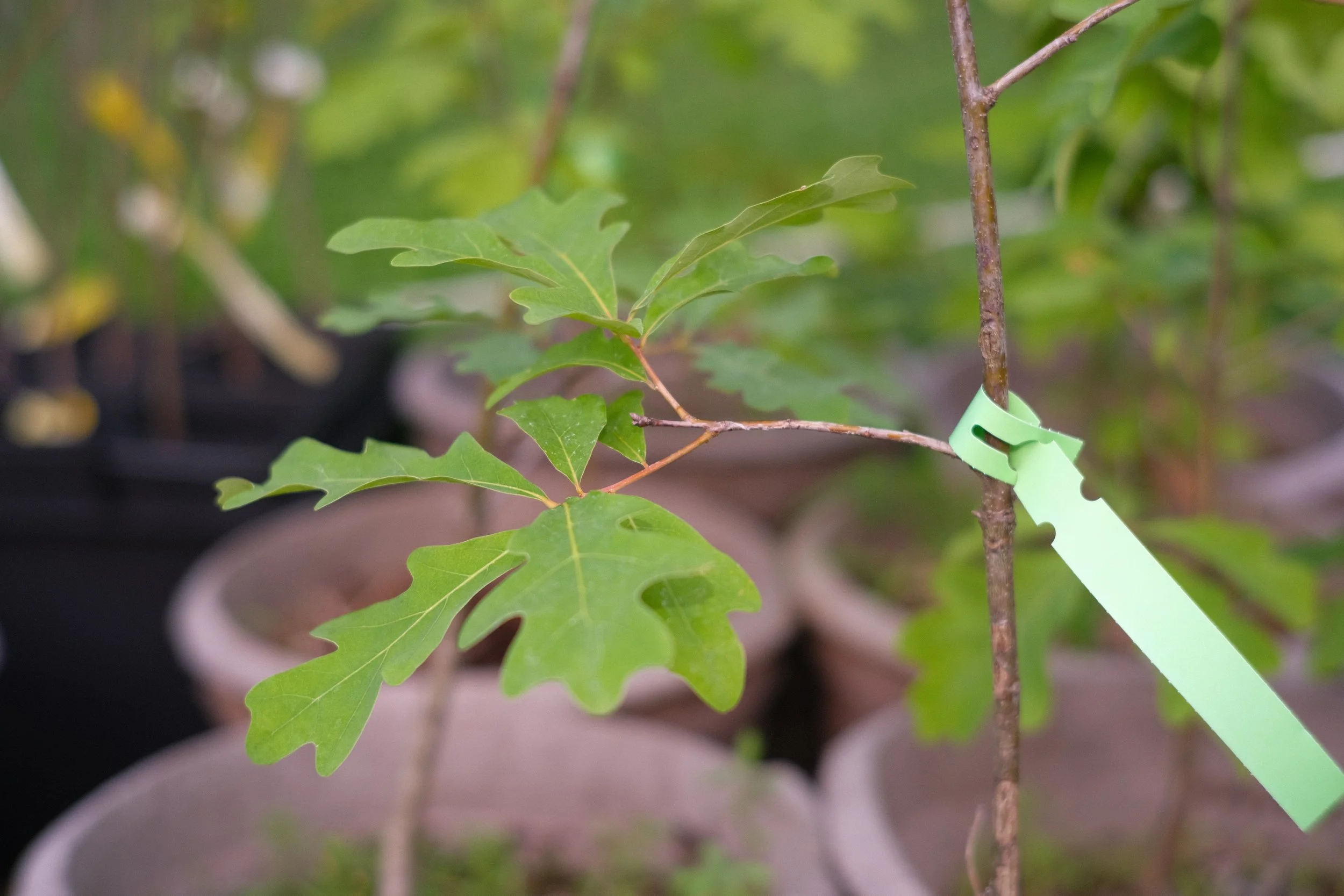
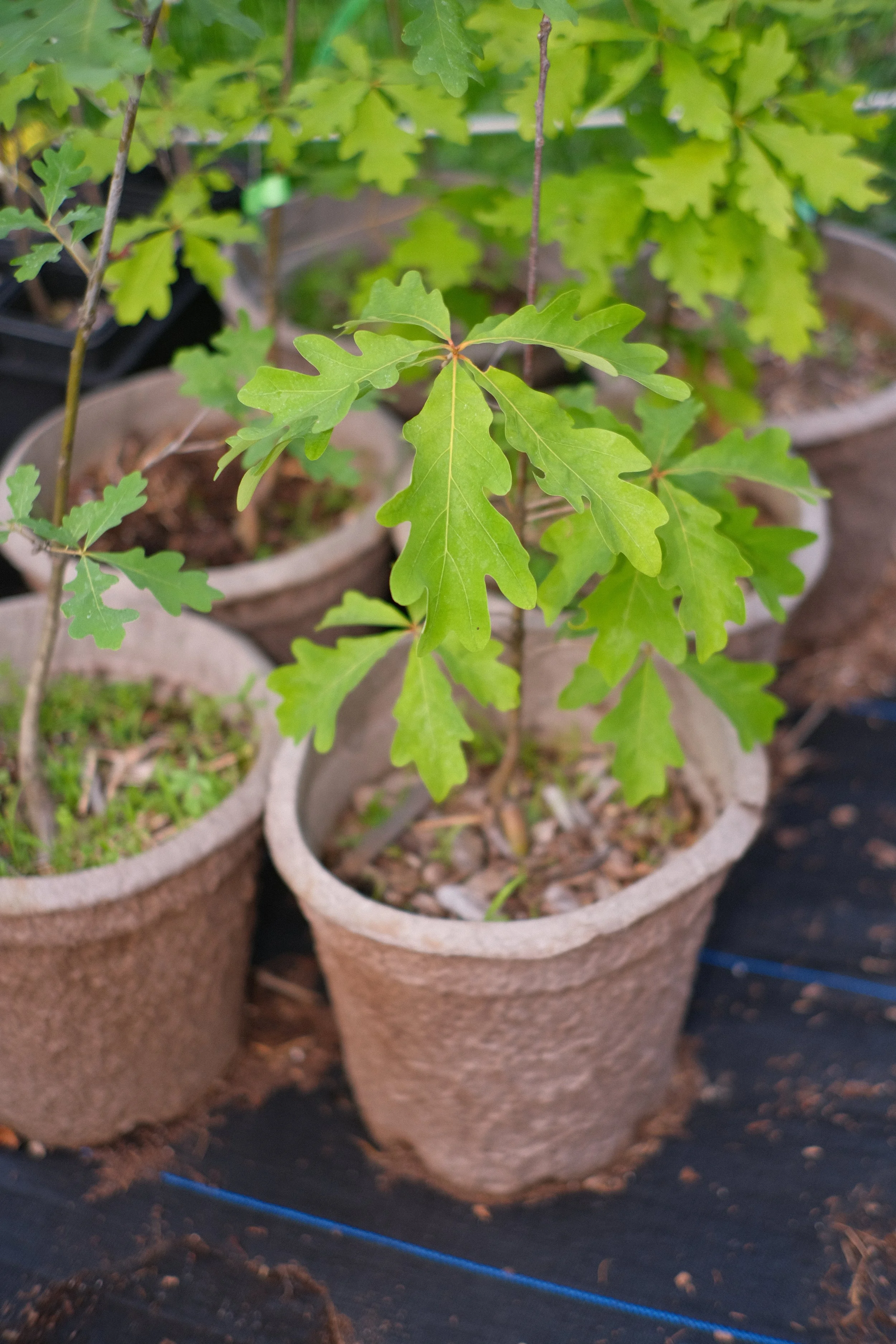
The White Oak (Quercus alba) is a prominent, long-lived hardwood native to eastern and central North America. Growing up to 80–135 feet tall, it is easily identified by its light ashy-gray bark and leaves with rounded, finger-like lobes. The wood is highly valued for furniture, flooring, and whiskey barrels.
Quercus alba, the white oak,[3] is one of the preeminent hardwoods of eastern and central North America. It is a long-lived oak, native to eastern and central North America and found from Minnesota, Ontario, Quebec, and southern Maine south as far as northern Florida and eastern Texas.[4] Specimens have been documented to be over 450 years old.
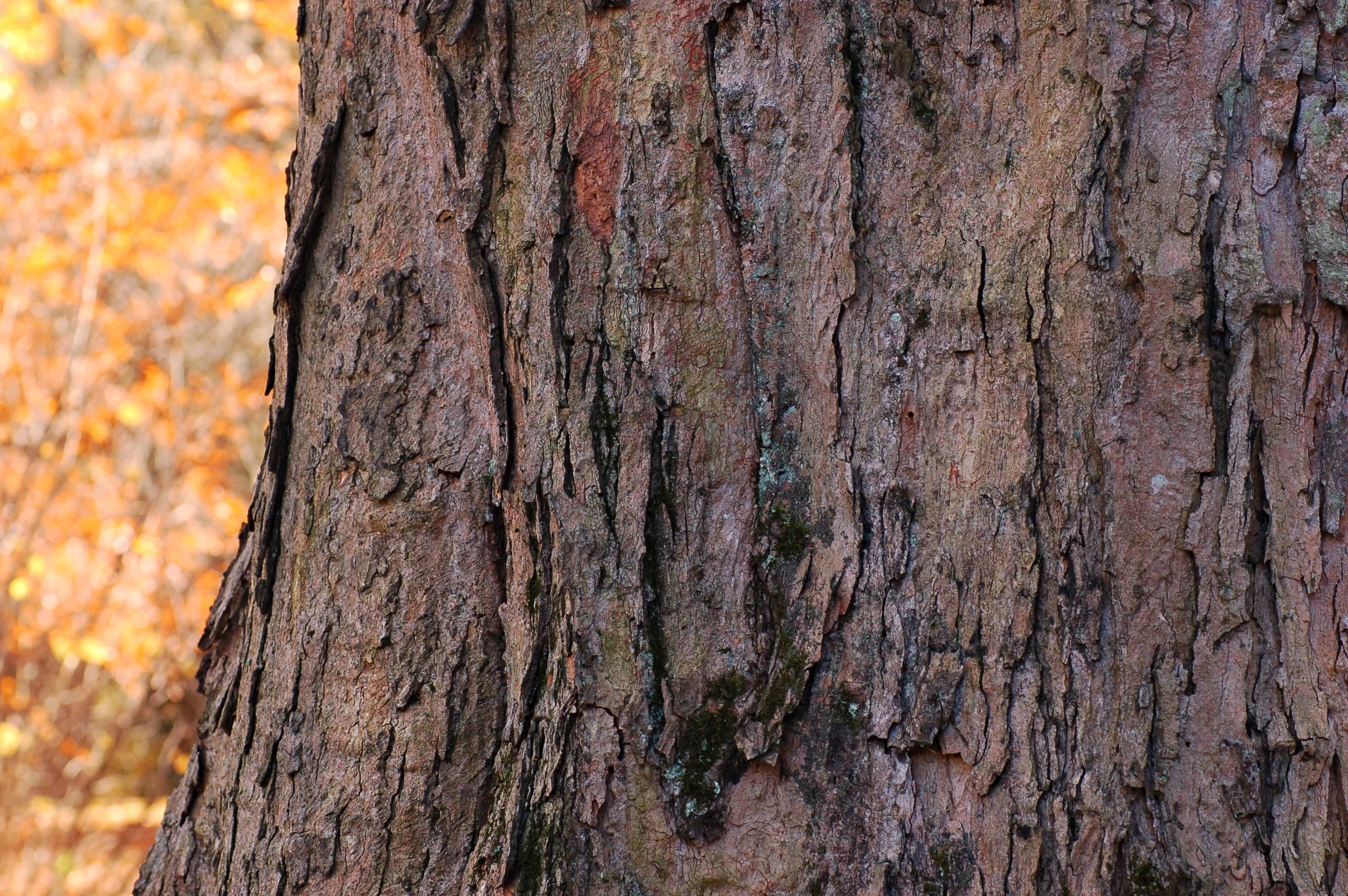
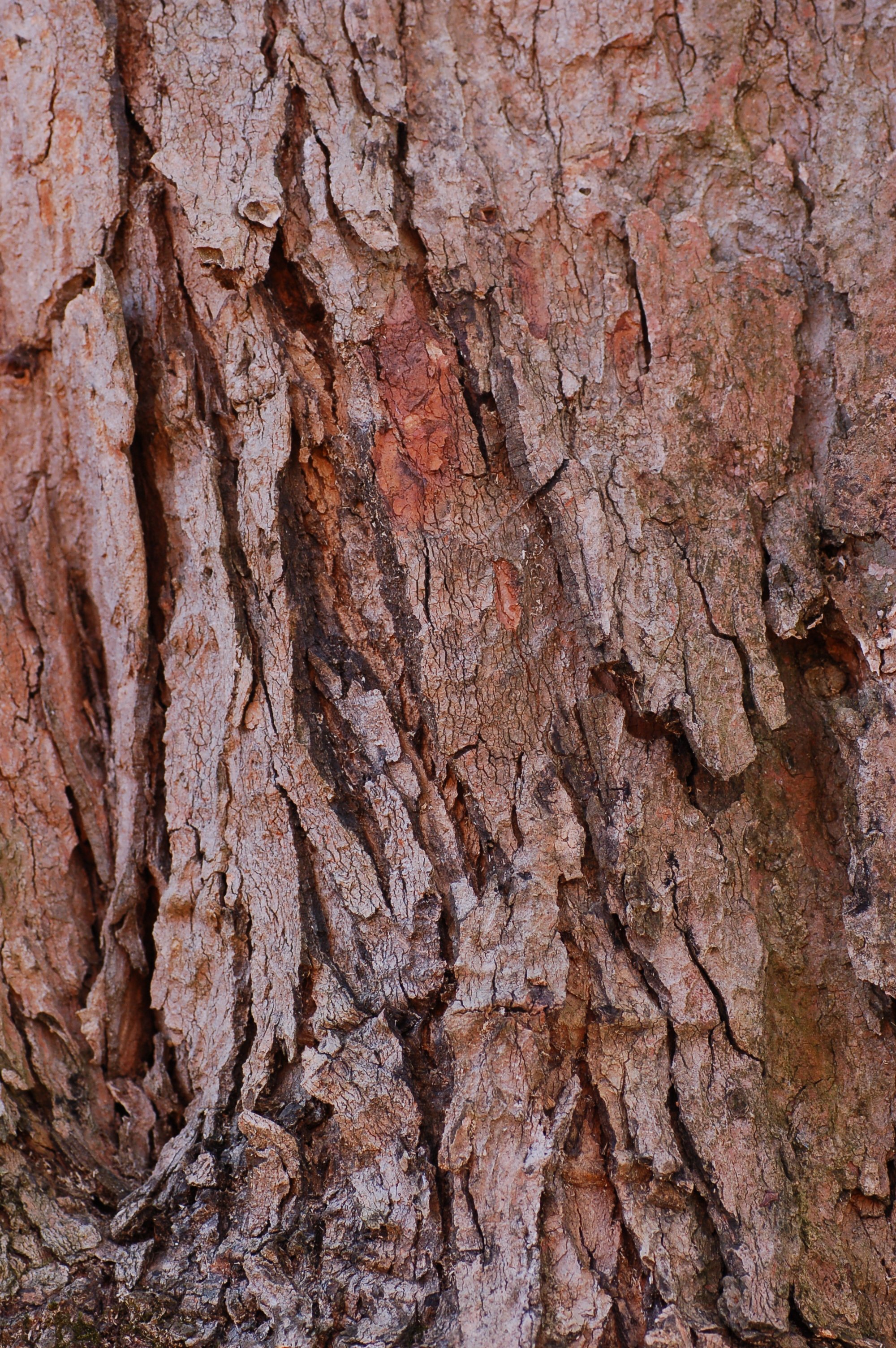
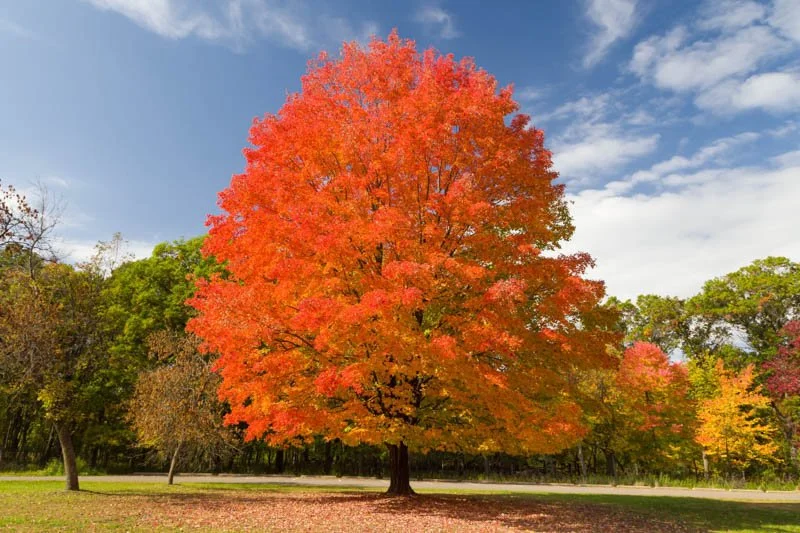
The sugar maple (Acer saccharum) is a deciduous tree native to eastern North America, renowned globally as the primary source of maple syrup and for its vibrant yellow, orange, and red autumn foliage. It is the state tree of New York, West Virginia, Wisconsin, and Vermont.
No results match your search. Try removing a few filters.