 Image 1 of 2
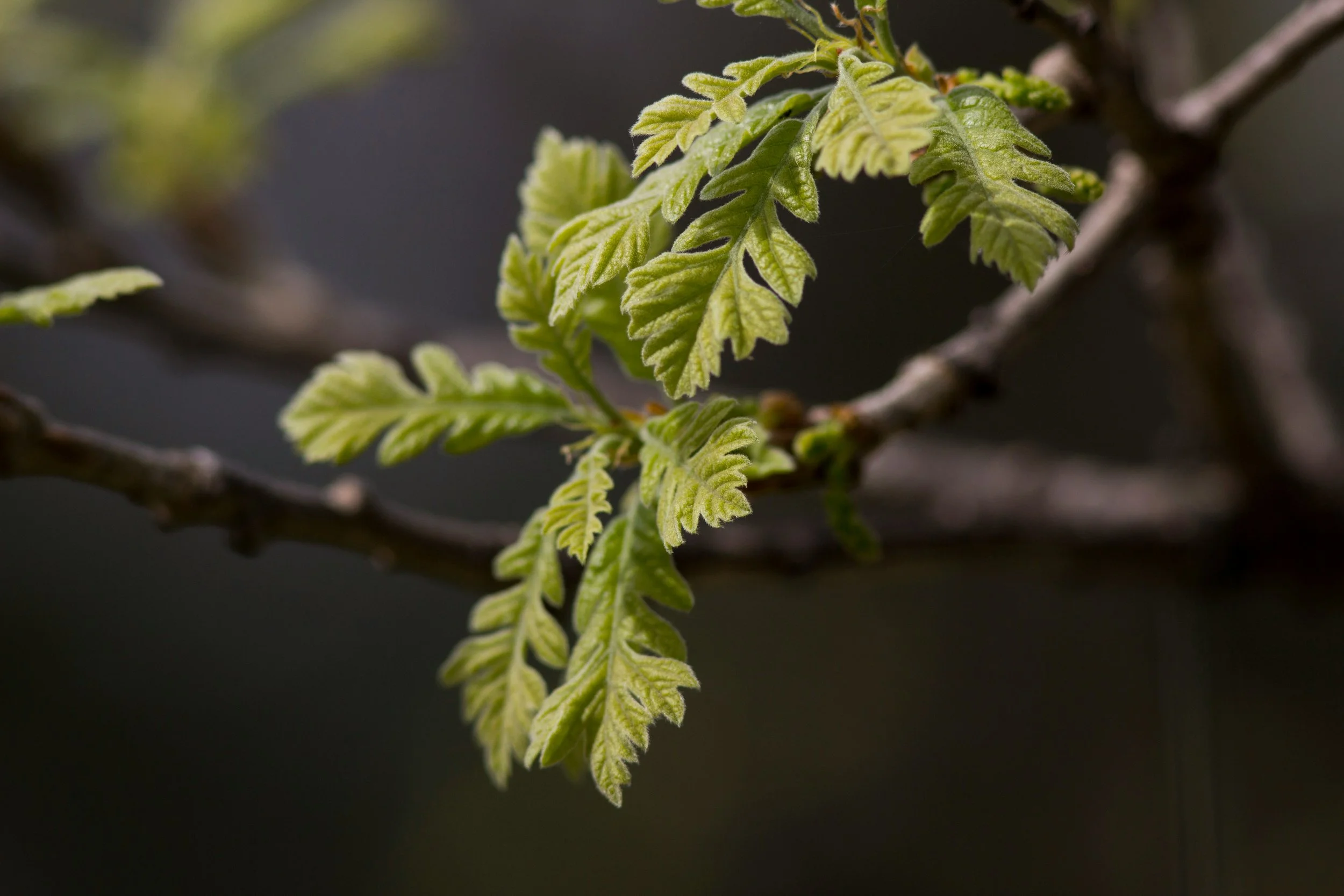 Image 2 of 2
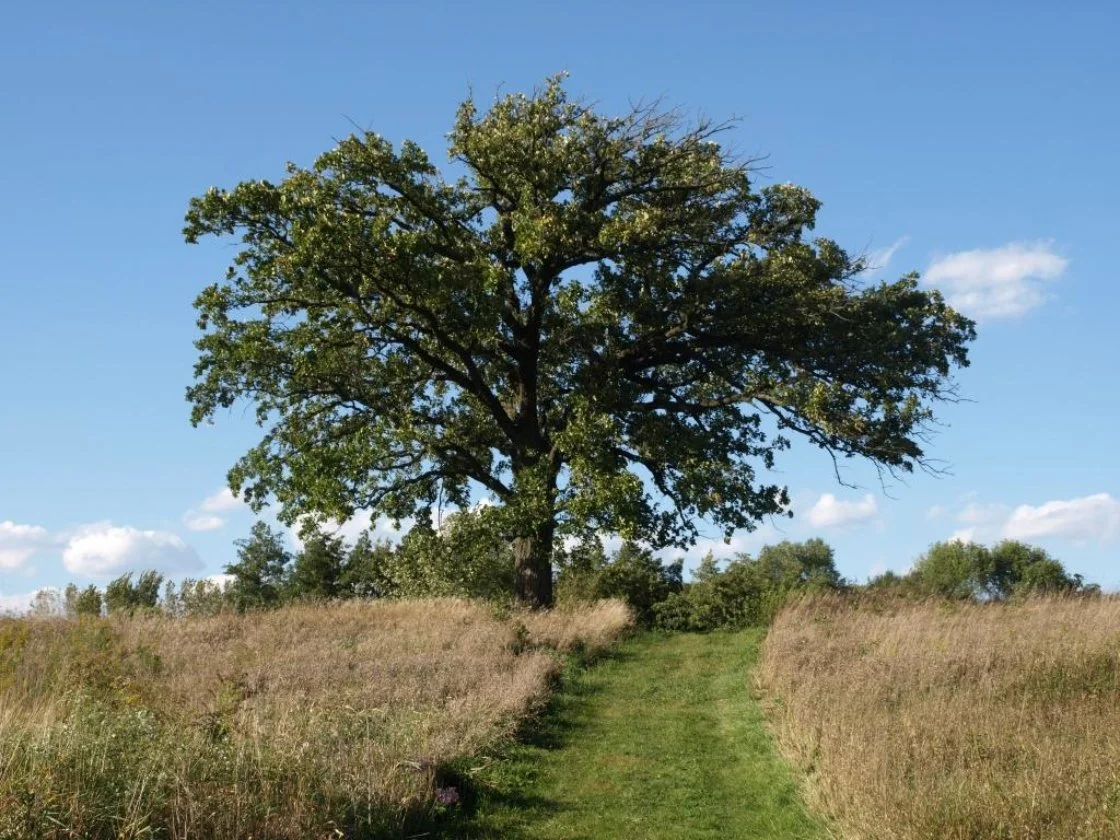
Bur oak (Quercus macrocarpa), (sometimes spelled Burr) is a large, deciduous tree with a very wide, open crown, widely distributed in Eastern and Central North America. Often wider than tall, the tree typically 70-90 ft. in height and width, it can be a great shade tree, features massive trunk, horizontal limbs and rough, deep-ridged bark. These are known to be exceptionally long lived trees. Thrives in a wide variety of conditions, from full sun, part shade or shade, and from moist through dry soils. Known to be highly resistant to harsh weather, and considered one of the most drought resistant oaks. . It is a highly valued tree for the quality of the wood, and benefit to the environment. It is also classified as "special concern" in MA because of its rarity and limited populations in the state. Bur oak is a great selection for reforestation, or as a singular keystone tree in native plant restoration or reforestation efforts.
It produces the largest acorns of any North American oak, which have lower tannin levels than red oak acorns and taste sweeter, making them a favorite food for deer, wild turkeys, squirrels, chipmunks, and ducks. The tree also acts as a larval host for hundreds of native caterpillar, butterfly, and other beneficial species, which are the primary food source for many local insect-eating birds. Large bur oaks provide critical nesting sites for owls, hawks, and songbirds.
Planted for shade, ornament, habitat, and shelter belts, it can be a great selection of keystone tree for supporting wildlife and enhancing the environment. When thinning, the wood quality is prized by woodworkers or construction for it’s very hard wood, similar to white oak and is often used for construction, flooring, barrels, and ship building, due to it’s natural resistance to rot and moisture. A very sturdy oak tree specimen!
Bur oak (Quercus macrocarpa), (sometimes spelled Burr) is a large, deciduous tree with a very wide, open crown, widely distributed in Eastern and Central North America. Often wider than tall, the tree typically 70-90 ft. in height and width, it can be a great shade tree, features massive trunk, horizontal limbs and rough, deep-ridged bark. These are known to be exceptionally long lived trees. Thrives in a wide variety of conditions, from full sun, part shade or shade, and from moist through dry soils. Known to be highly resistant to harsh weather, and considered one of the most drought resistant oaks. . It is a highly valued tree for the quality of the wood, and benefit to the environment. It is also classified as "special concern" in MA because of its rarity and limited populations in the state. Bur oak is a great selection for reforestation, or as a singular keystone tree in native plant restoration or reforestation efforts.
It produces the largest acorns of any North American oak, which have lower tannin levels than red oak acorns and taste sweeter, making them a favorite food for deer, wild turkeys, squirrels, chipmunks, and ducks. The tree also acts as a larval host for hundreds of native caterpillar, butterfly, and other beneficial species, which are the primary food source for many local insect-eating birds. Large bur oaks provide critical nesting sites for owls, hawks, and songbirds.
Planted for shade, ornament, habitat, and shelter belts, it can be a great selection of keystone tree for supporting wildlife and enhancing the environment. When thinning, the wood quality is prized by woodworkers or construction for it’s very hard wood, similar to white oak and is often used for construction, flooring, barrels, and ship building, due to it’s natural resistance to rot and moisture. A very sturdy oak tree specimen!