 Image 1 of 4
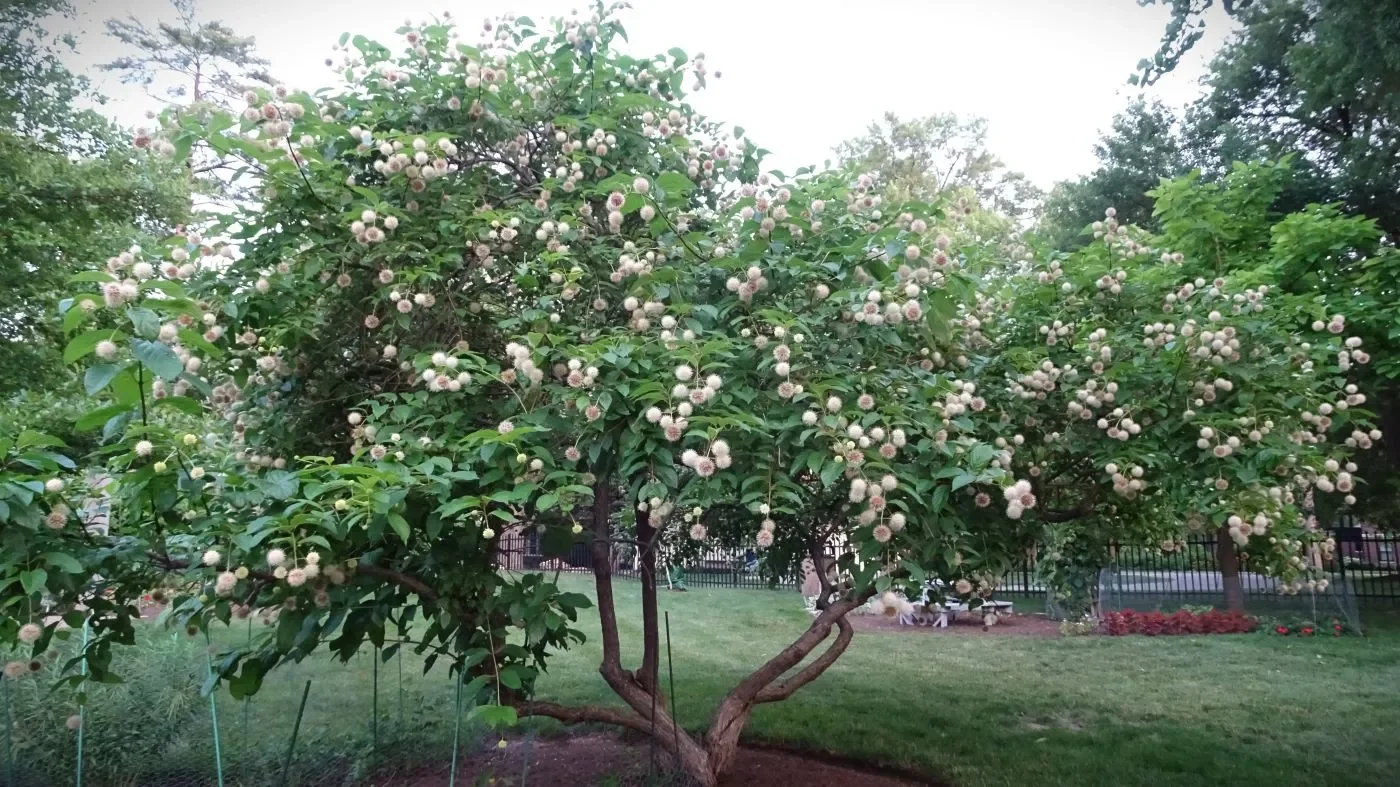 Image 2 of 4
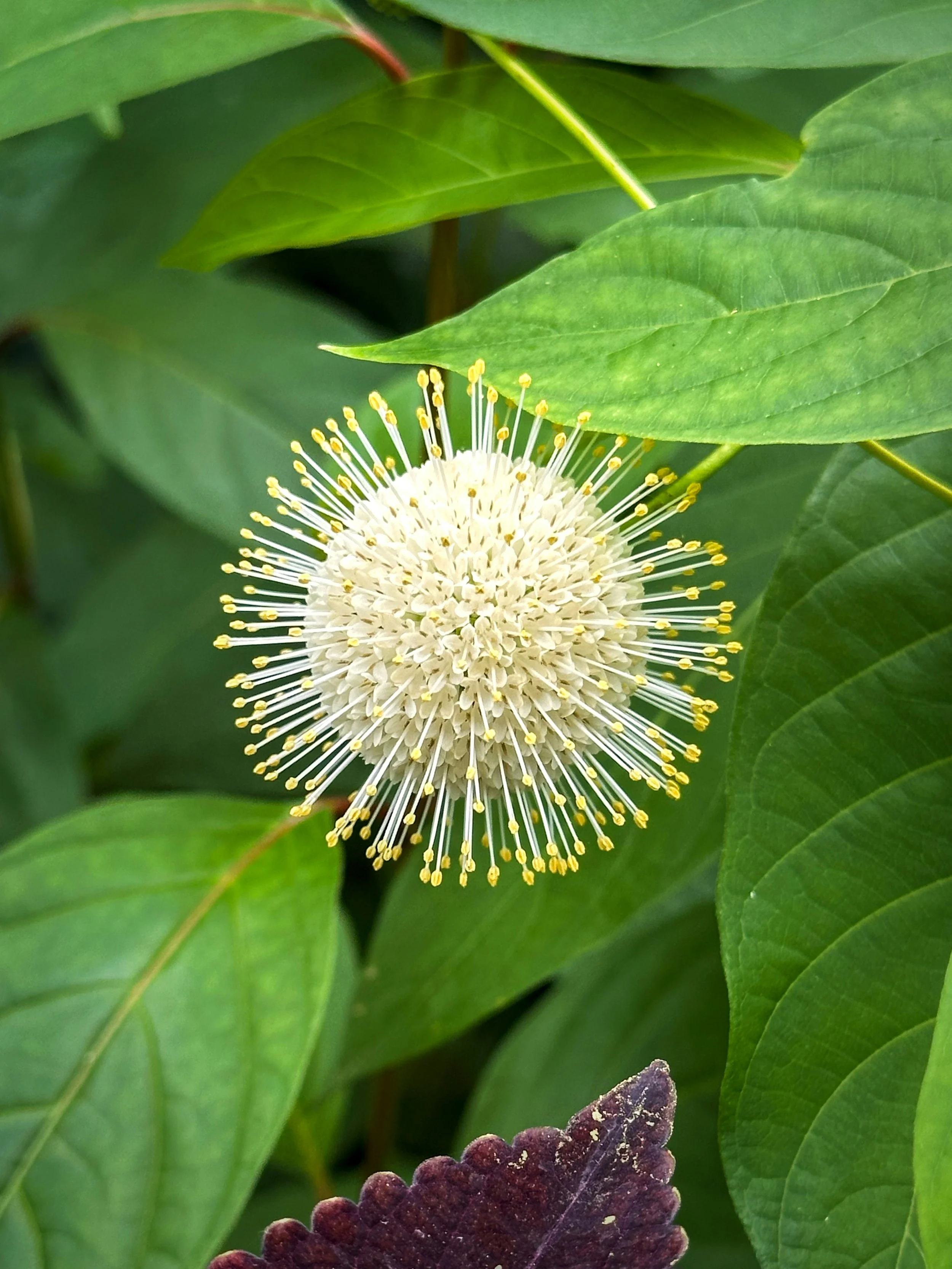 Image 3 of 4
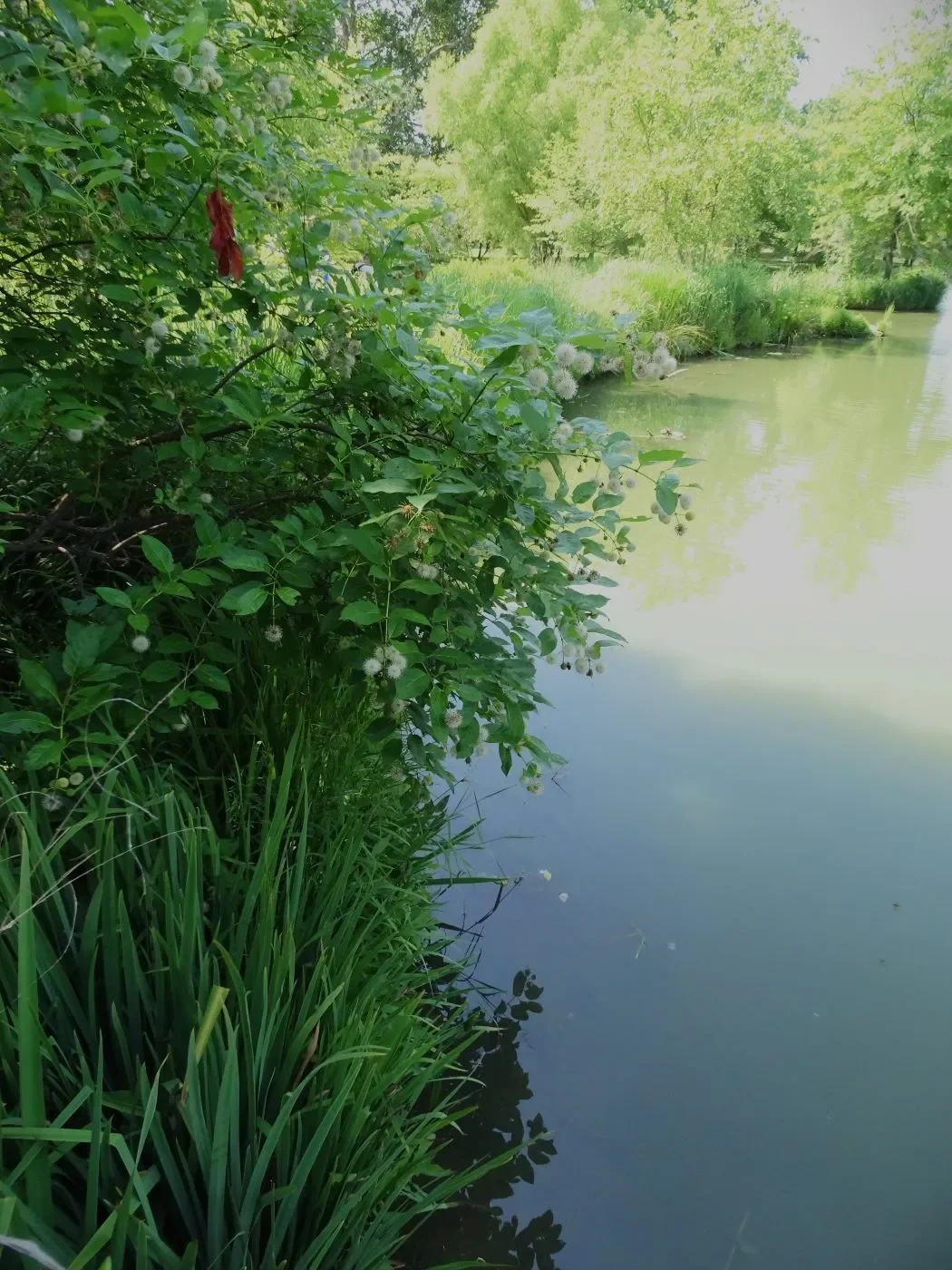 Image 4 of 4
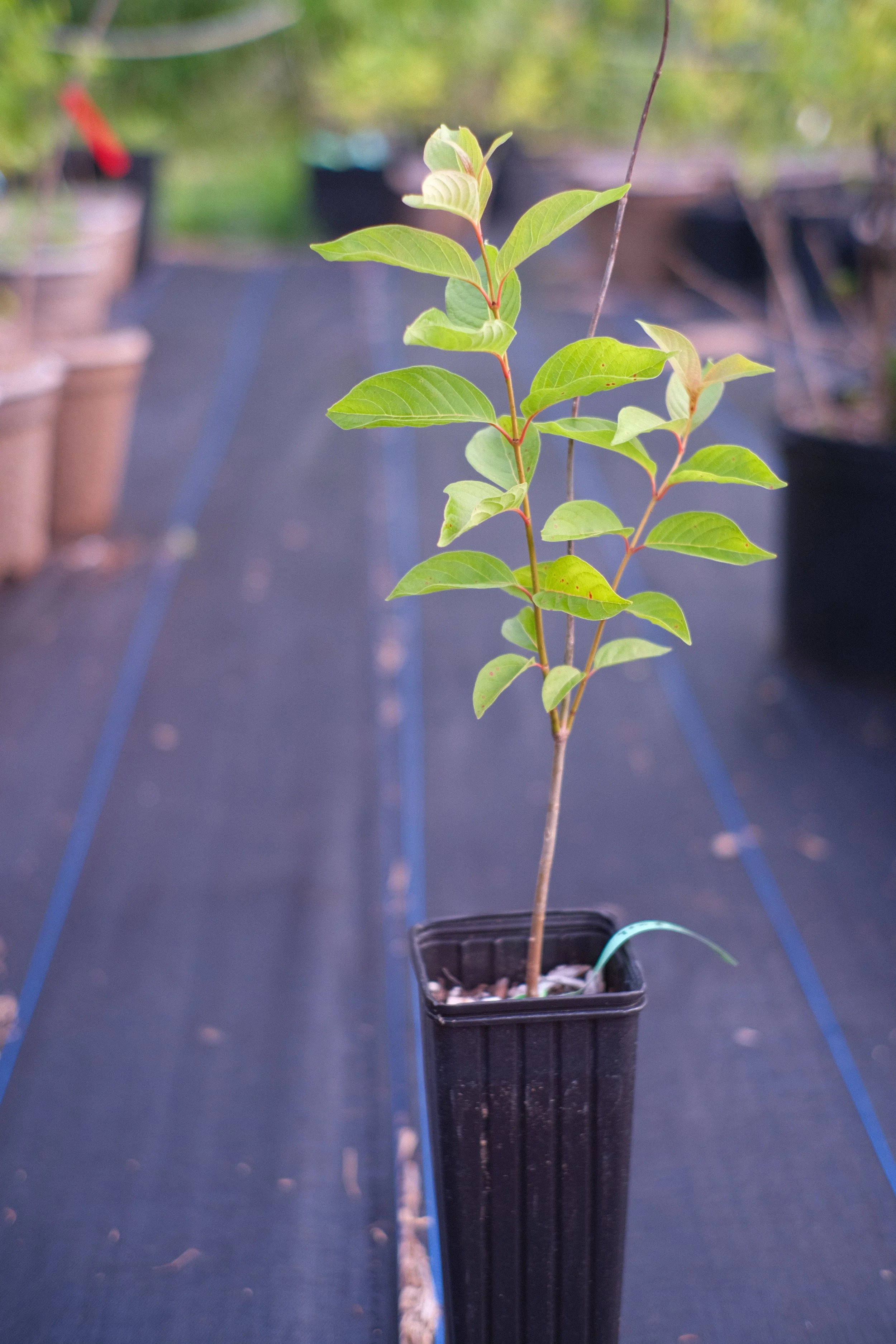
Buttonbush (Cephalanthus occidentalis) is a native wetland shrub named for its unusual spherical, pincushion-like white flower clusters that bloom in summer and are a magnet for pollinators. Colorful blossoms and pleasant fragrance, a nice addition to wet locations. Typically grows 6-12’ tall and 5-8’ wide. Nice replacement for invasive honeysuckle, and helps provide a privacy screen. If not tended, can grow into a dense thicket, but can be pruned and trained as needed.
It thrives in wet soils and is a great choice for rain gardens and pond edges. It blooms in mid-to-late summer and grows best in full sun to part shade with wet to consistently moist soil. Native to most of the lower 48 States, Zones 4-9.
Highly valued by bees, butterflies, hummingbirds, and waterfowl that eat the persistent winter seed heads. Has a sweet scent and prolific blooms – it is a magnet for wildlife! The spherical white flowers are a favorite among honeybees and bumblebees. Moths, bees, and butterflies flock to Buttonbush for its nectar. Waterfowl, mallards, and other birds eat the fruit and seeds. In their native environment, wood ducks commonly use the plant’s structure for the protection of brooding nests.
Buttonbush (Cephalanthus occidentalis) is a native wetland shrub named for its unusual spherical, pincushion-like white flower clusters that bloom in summer and are a magnet for pollinators. Colorful blossoms and pleasant fragrance, a nice addition to wet locations. Typically grows 6-12’ tall and 5-8’ wide. Nice replacement for invasive honeysuckle, and helps provide a privacy screen. If not tended, can grow into a dense thicket, but can be pruned and trained as needed.
It thrives in wet soils and is a great choice for rain gardens and pond edges. It blooms in mid-to-late summer and grows best in full sun to part shade with wet to consistently moist soil. Native to most of the lower 48 States, Zones 4-9.
Highly valued by bees, butterflies, hummingbirds, and waterfowl that eat the persistent winter seed heads. Has a sweet scent and prolific blooms – it is a magnet for wildlife! The spherical white flowers are a favorite among honeybees and bumblebees. Moths, bees, and butterflies flock to Buttonbush for its nectar. Waterfowl, mallards, and other birds eat the fruit and seeds. In their native environment, wood ducks commonly use the plant’s structure for the protection of brooding nests.