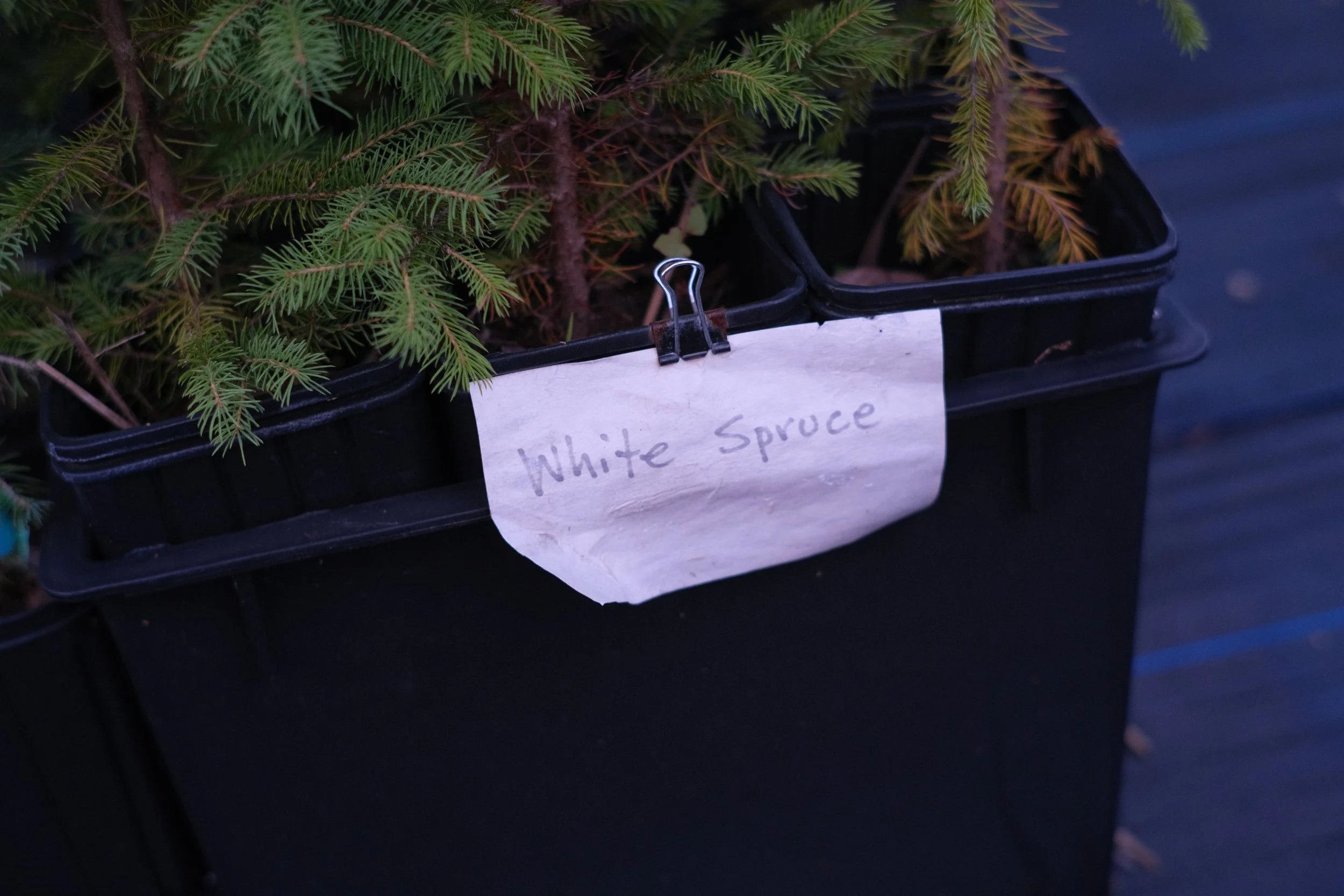
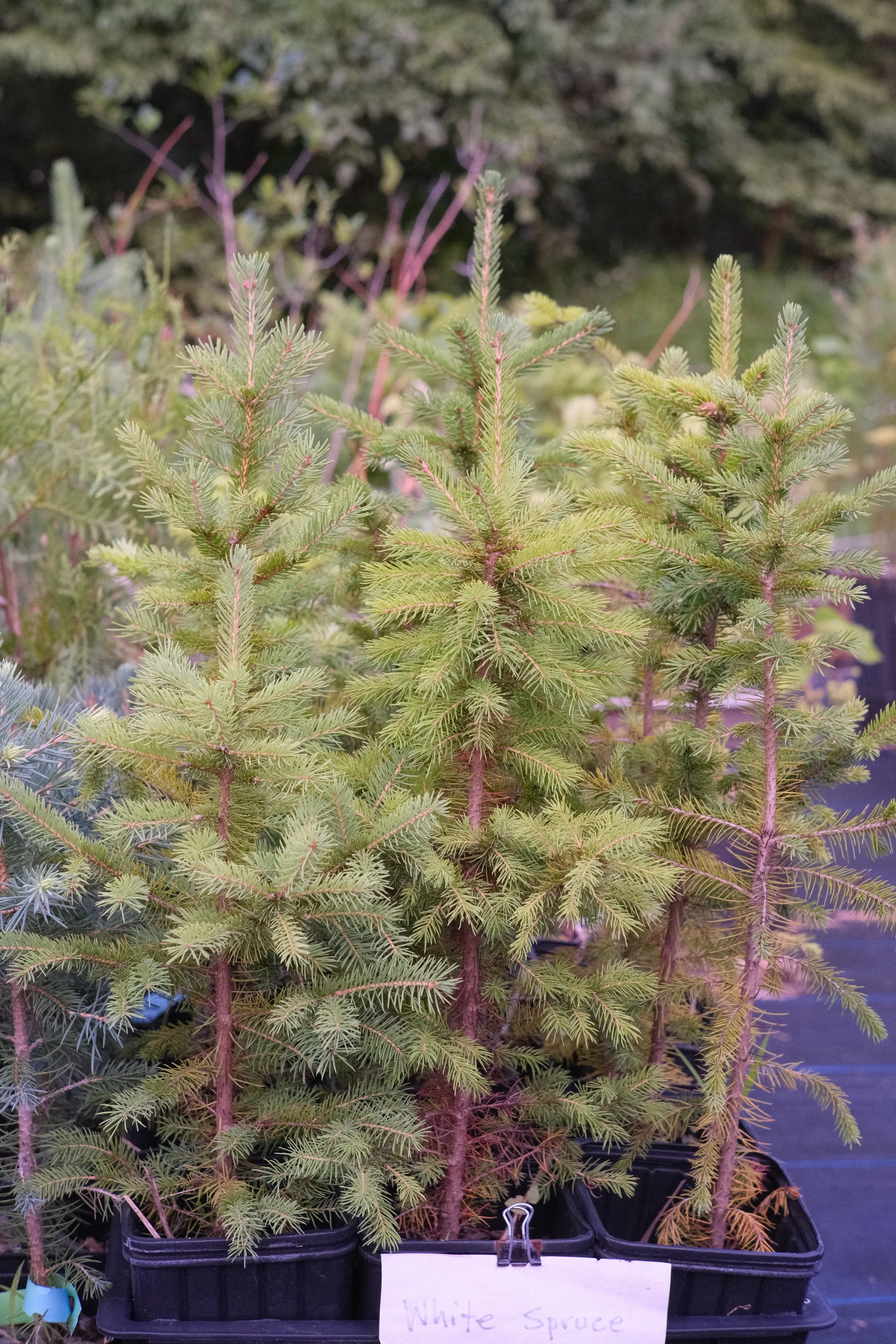
White Spruce (Picea glauca) is a hardy, adaptable conifer with a dense, symmetrical pyramidal form and blue-green needles. It is widely used for windbreaks, screening, and reforestation thanks to its excellent cold tolerance. As a conifer it does not flower, and it grows best in full sun to part shade with moderate, well-drained soil.
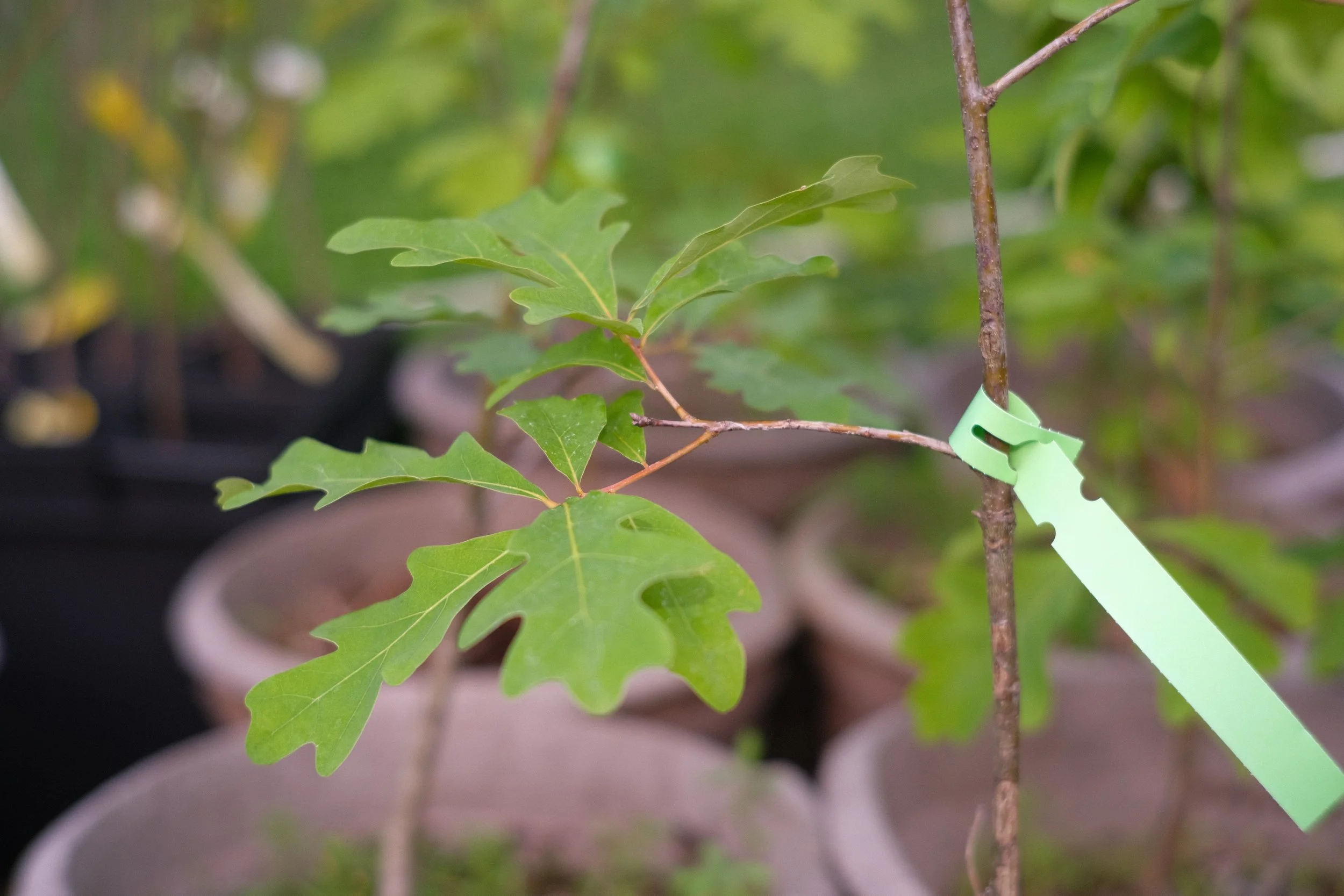
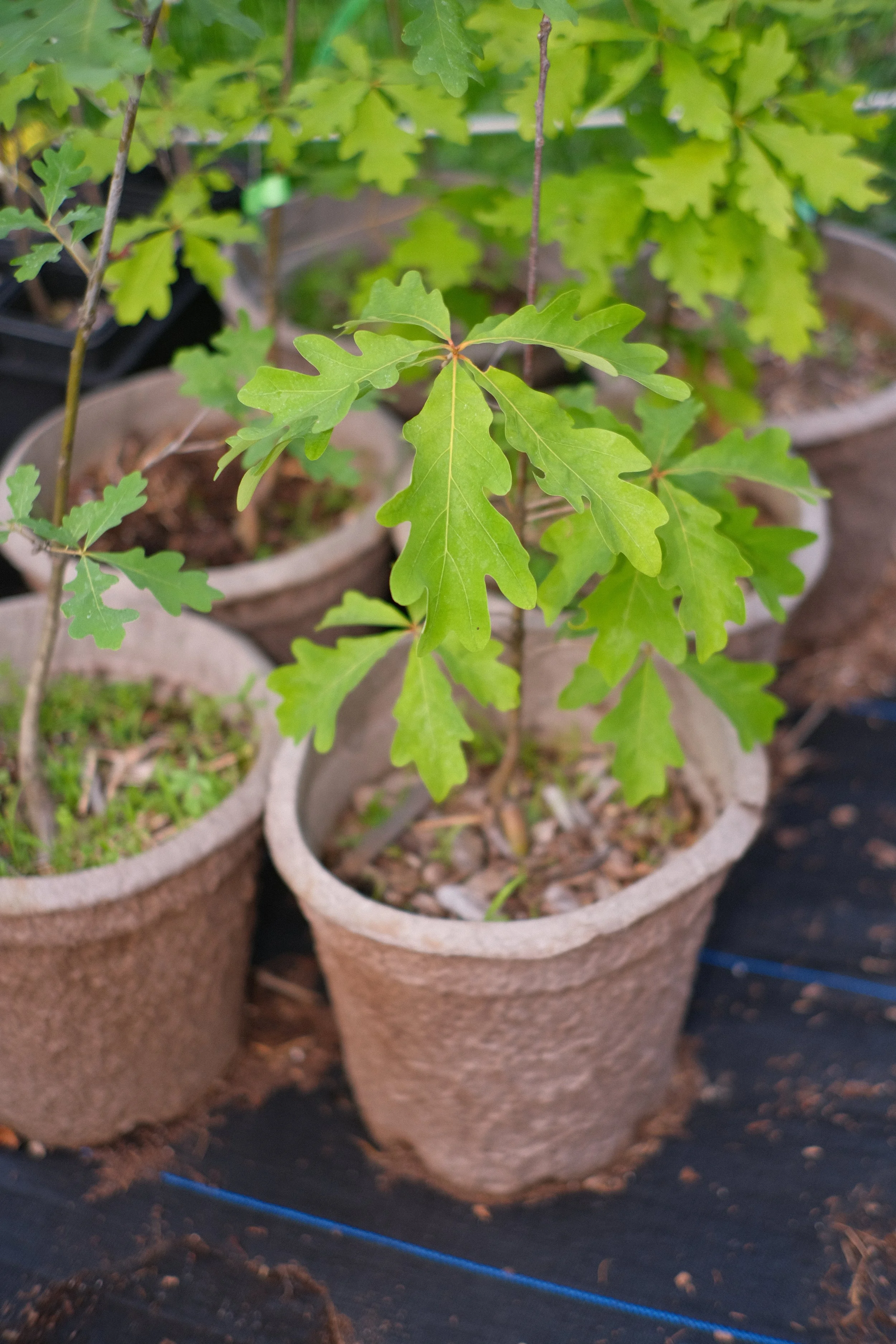
The White Oak (Quercus alba) is a prominent, long-lived hardwood native to eastern and central North America. Growing up to 80–135 feet tall, it is easily identified by its light ashy-gray bark and leaves with rounded, finger-like lobes. The wood is highly valued for furniture, flooring, and whiskey barrels.
Quercus alba, the white oak,[3] is one of the preeminent hardwoods of eastern and central North America. It is a long-lived oak, native to eastern and central North America and found from Minnesota, Ontario, Quebec, and southern Maine south as far as northern Florida and eastern Texas.[4] Specimens have been documented to be over 450 years old.
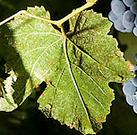
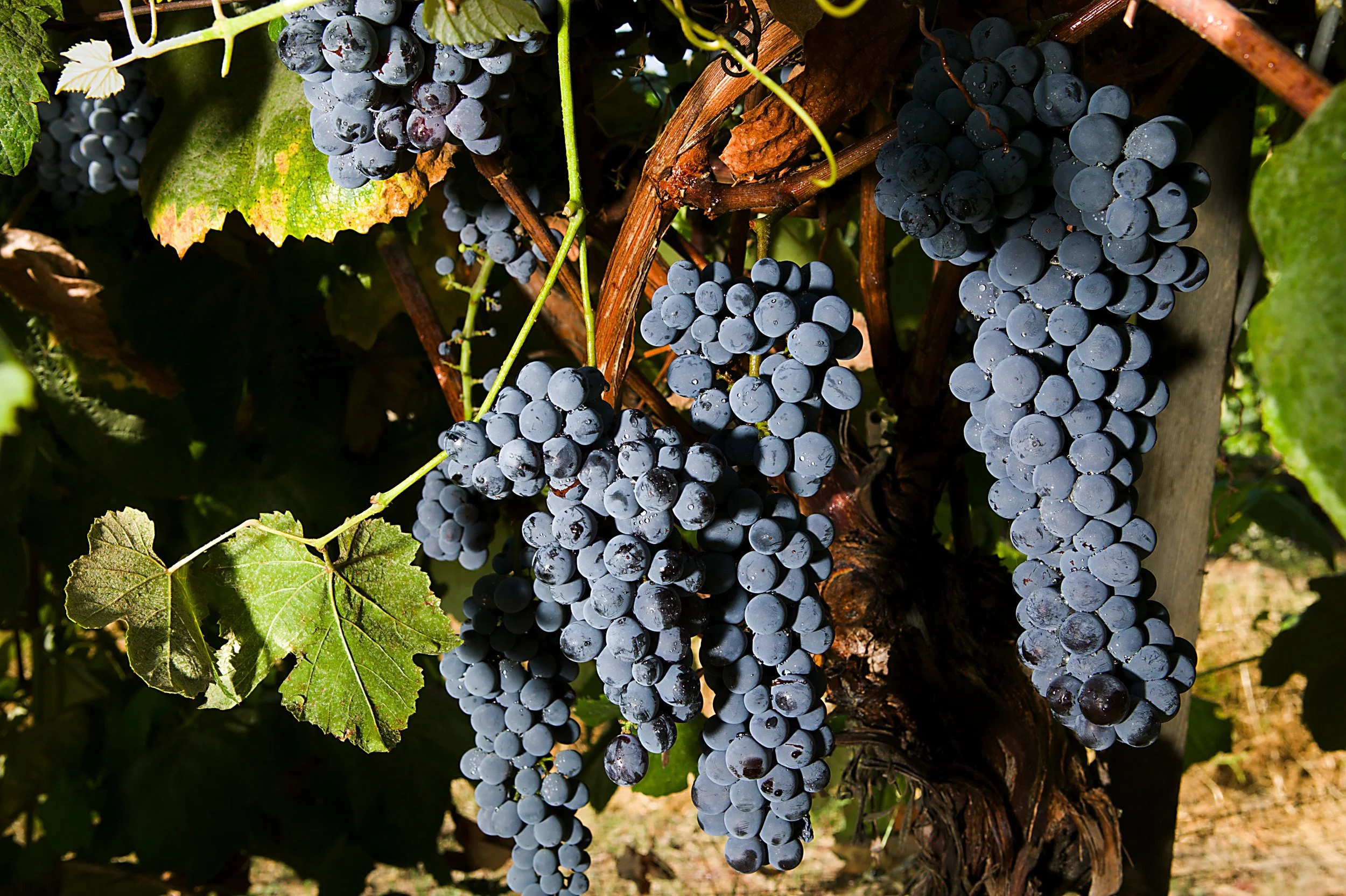
Thomcord is a seedless black grape resulting from a cross between Thompson Seedless and Concord, combining Concord's classic sweet flavor with a convenient seedless habit. It is a vigorous, productive vine for the home vineyard. It blooms in late spring to early summer and grows best in full sun with well-drained, moderate to dry soil.
Somerset Seedless is an exceptionally cold-hardy red seedless grape with a crisp texture and sweet, strawberry-like flavor. Its hardiness makes it a top choice for northern vineyards and home gardens. It blooms in late spring to early summer and grows best in full sun with well-drained, moderate to dry soil.
Shagbark Hickory (Carya ovata) is easily recognized by its distinctive bark, which peels away in long, shaggy vertical strips on mature trees. It produces sweet, edible nuts favored by both people and wildlife, along with excellent golden fall color. It blooms in mid-spring, though the flowers are inconspicuous, and grows best in full sun to part shade with moderate, well-drained soil.
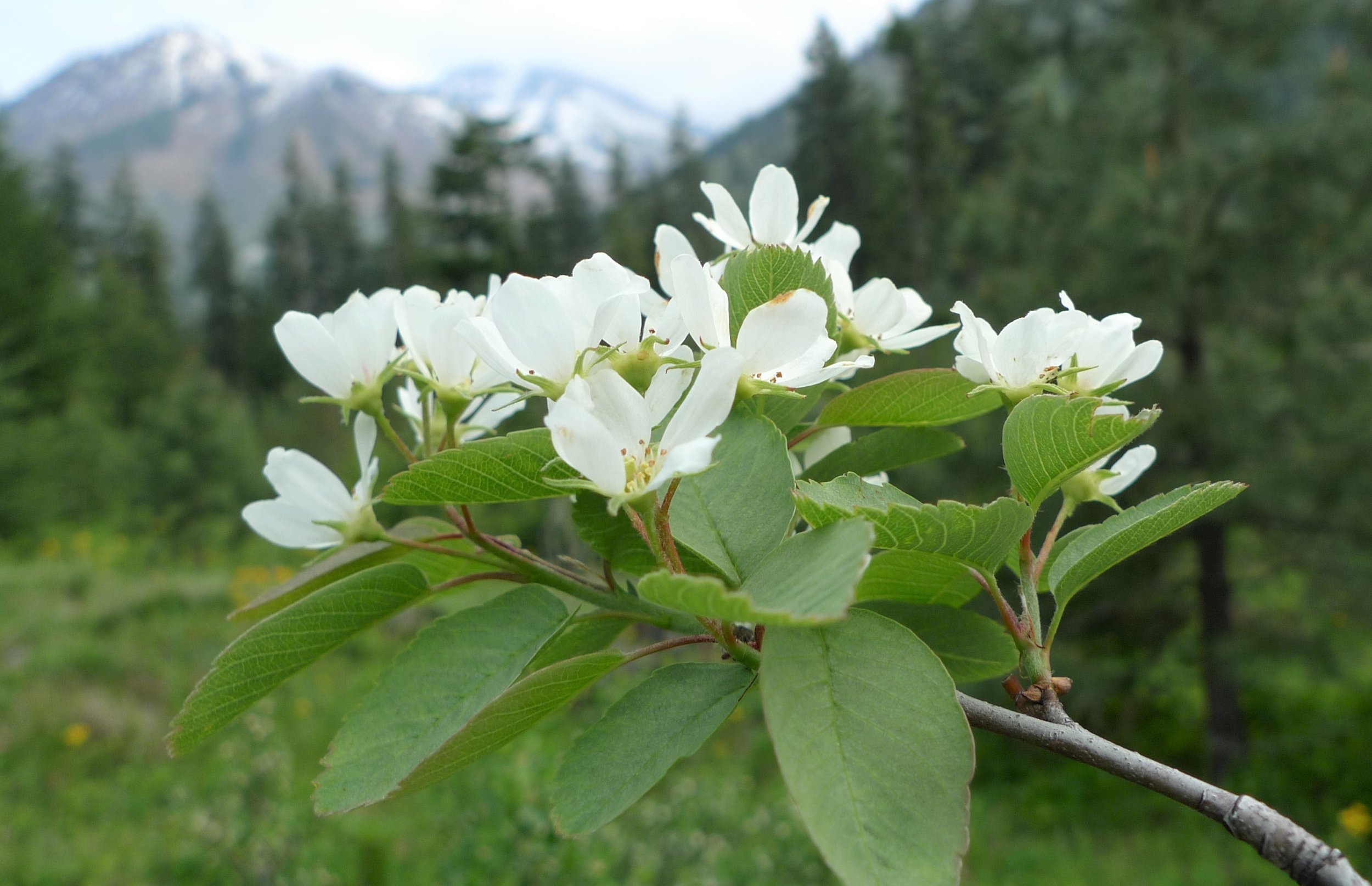
Saskatoon Serviceberry (Amelanchier alnifolia) is a hardy, multi-stemmed shrub known for its sweet, juicy berries, popular in pies and preserves, along with white spring flowers and good fall color. It is highly cold-tolerant and adaptable to a range of soils. It blooms in early-to-mid spring and grows best in full sun to part shade with moderate to dry soil.
Sassafras (Sassafras albidum) is a native tree easily recognized by its distinctively shaped leaves, which can be oval, mitten-shaped, or three-lobed even on the same branch. It offers outstanding orange, red, and purple fall color and aromatic bark, twigs, and roots. It blooms in mid-spring, before its leaves emerge, and grows best in full sun to part shade with moderate to dry, well-drained soil.
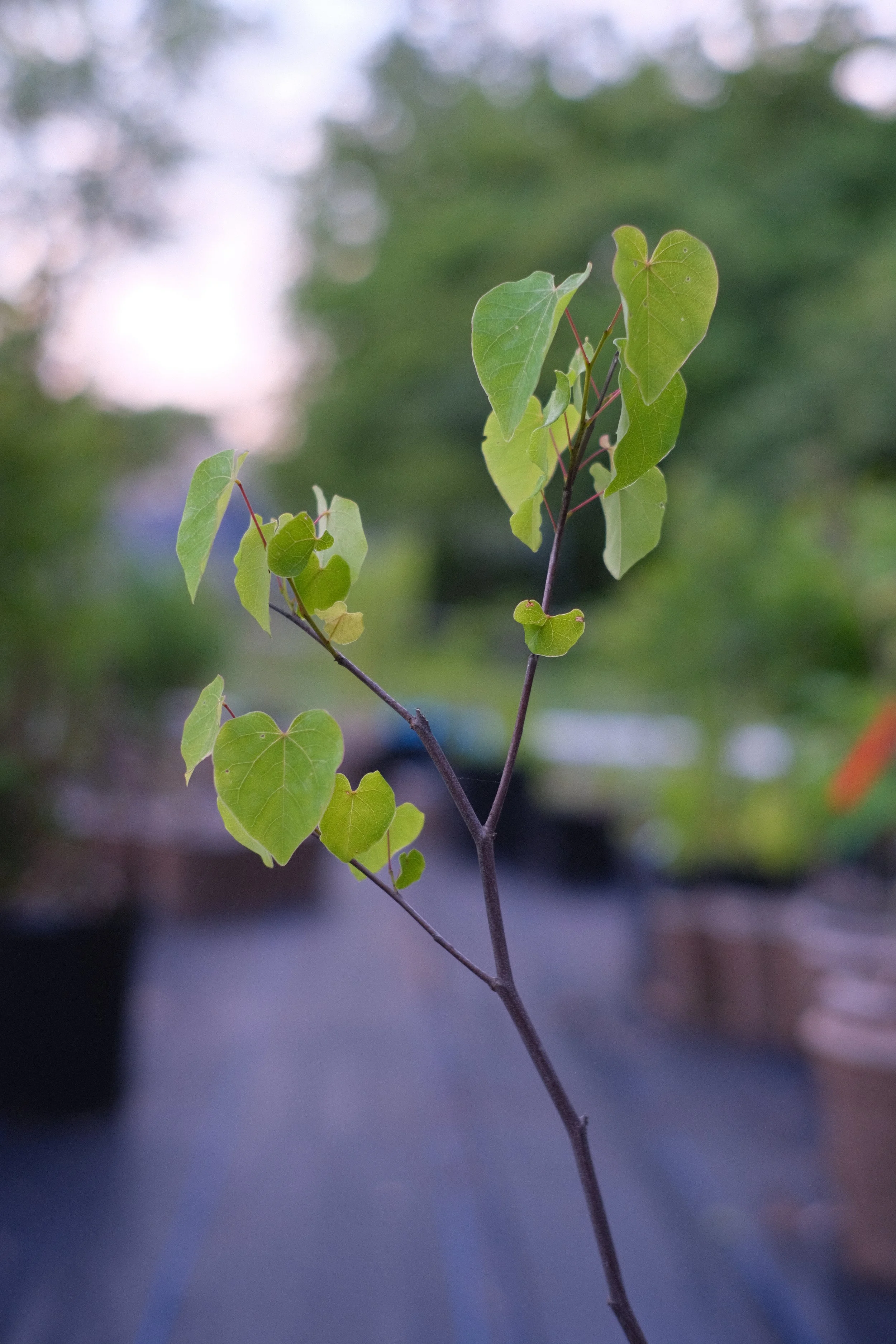
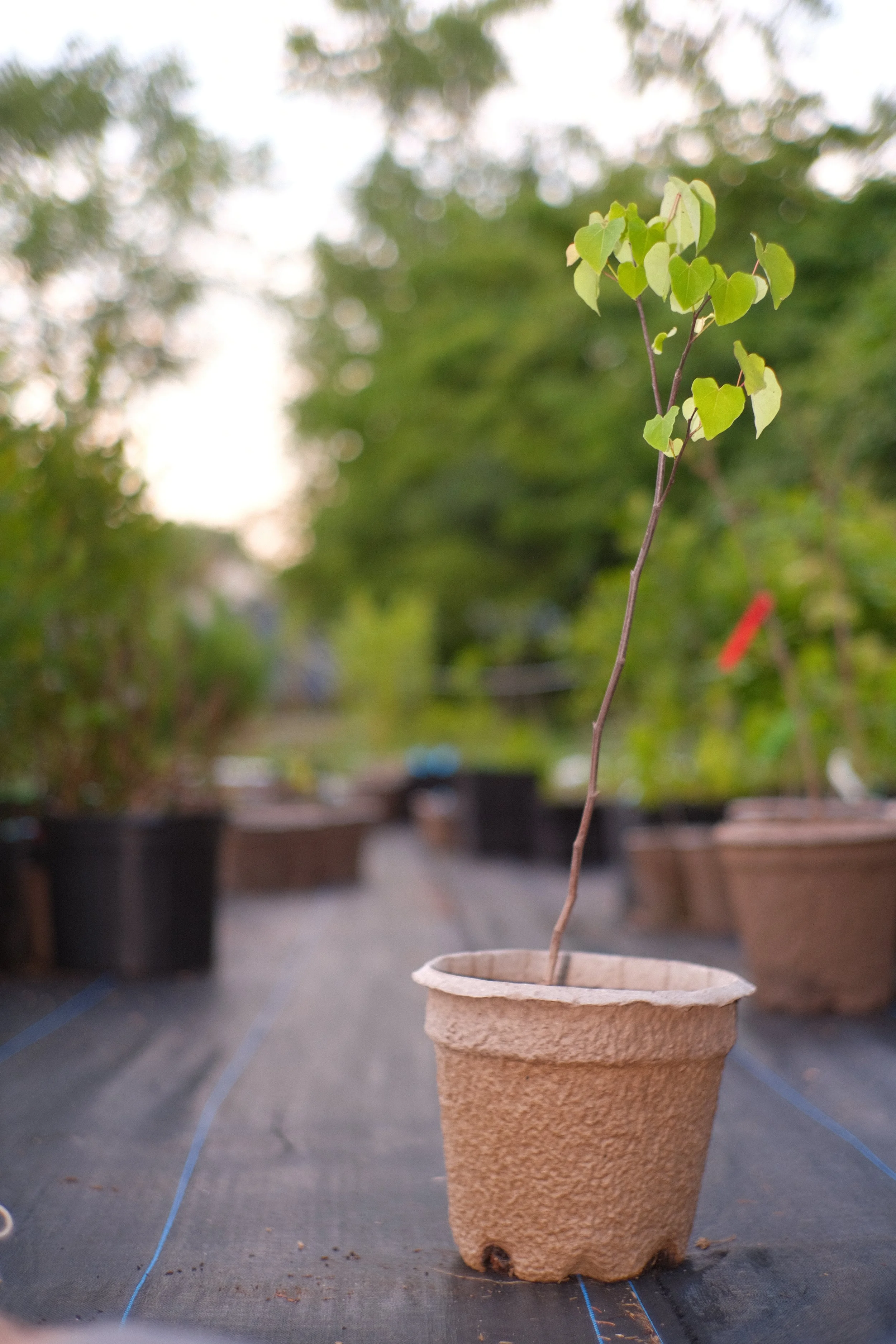
Eastern Redbud (Cercis canadensis) is a beloved native ornamental tree, among the first to bloom each spring with clusters of pink-purple flowers that appear directly on bare branches before the heart-shaped leaves emerge. It is a reliable, adaptable small flowering tree for sun or part shade. It blooms in early spring, before its leaves emerge, and grows best in full sun to part shade with moderate, well-drained soil.
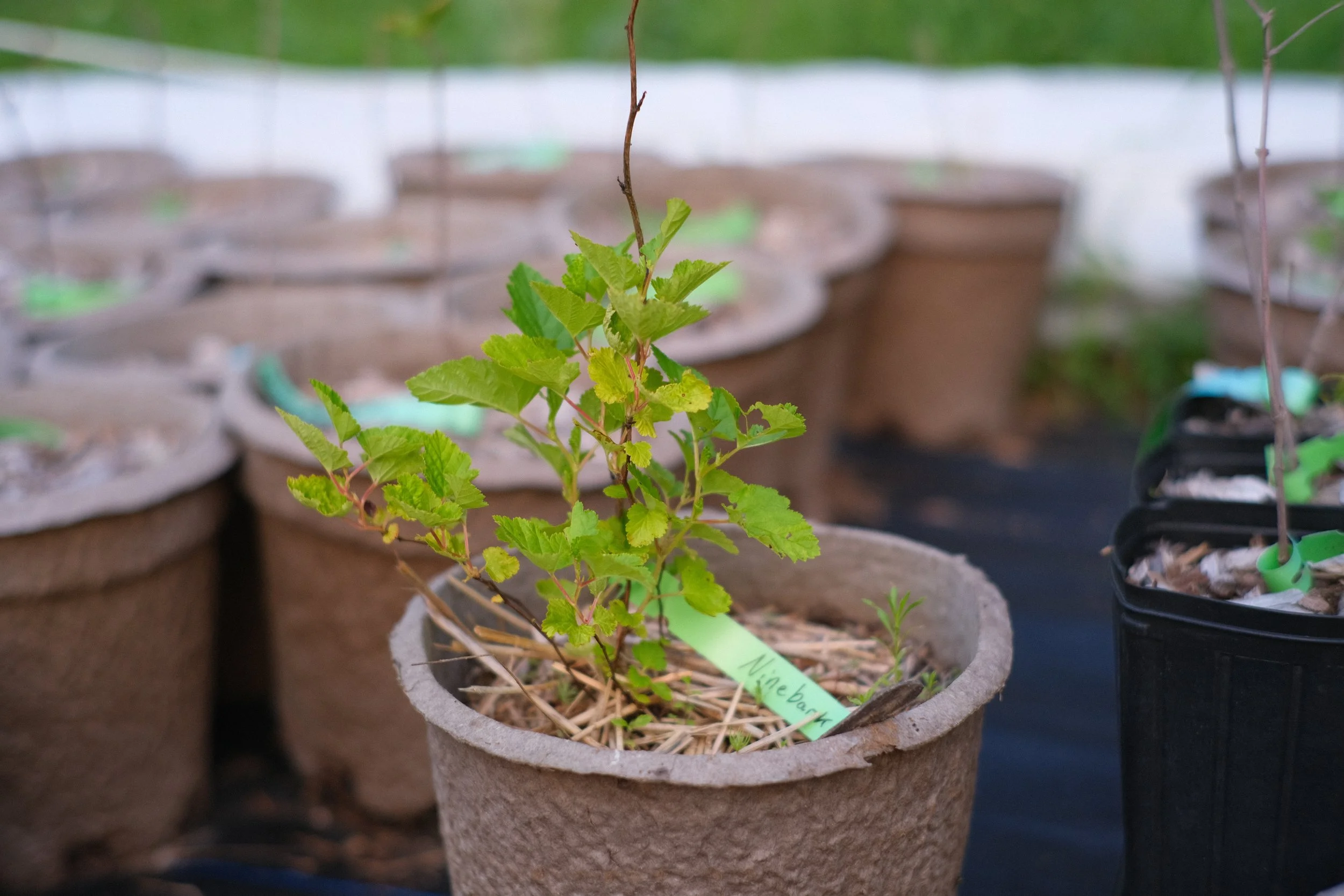
Common Ninebark (Physocarpus opulifolius) is a tough, adaptable native shrub named for its distinctive peeling, multi-layered bark. It produces rounded clusters of white to pink spring flowers and tolerates a wide range of soil and light conditions. It blooms in late spring to early summer and grows best in full sun to part shade with moderate to moist soil.
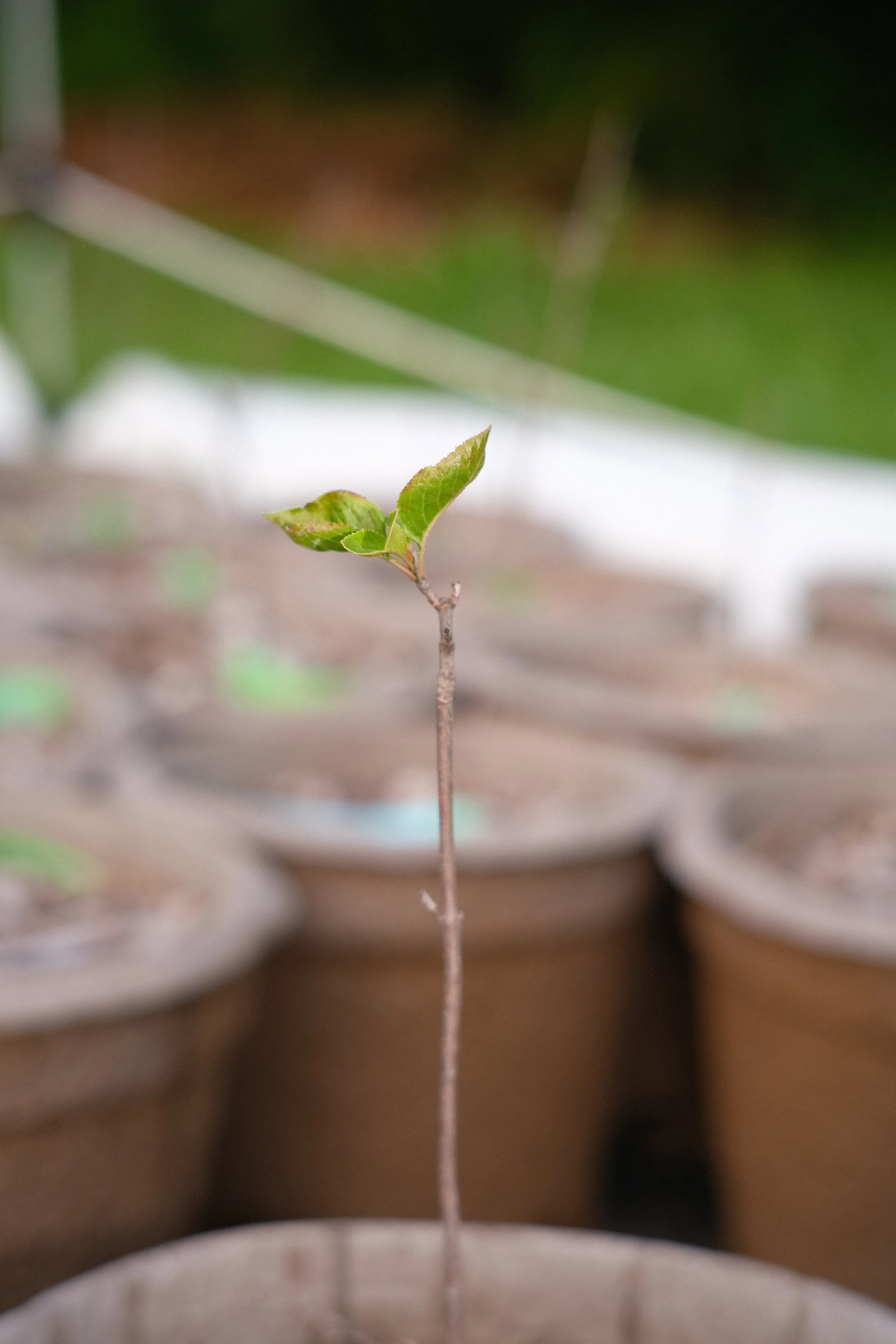
Nannyberry (Viburnum lentago) is a large native shrub or small tree with creamy white spring flower clusters, blue-black fall berries valued by wildlife, and reliable reddish-purple fall color. Its adaptability to varied soils makes it a versatile choice for hedgerows and naturalized plantings. It blooms in late spring and grows best in full sun to part shade with moderate to moist soil.
Marquis is a cold-hardy, seedless green table grape developed at Cornell University, known for its very sweet flavor and crisp texture. It is a reliable producer well suited to northern growing regions. It blooms in late spring to early summer and grows best in full sun with well-drained, moderate to dry soil.
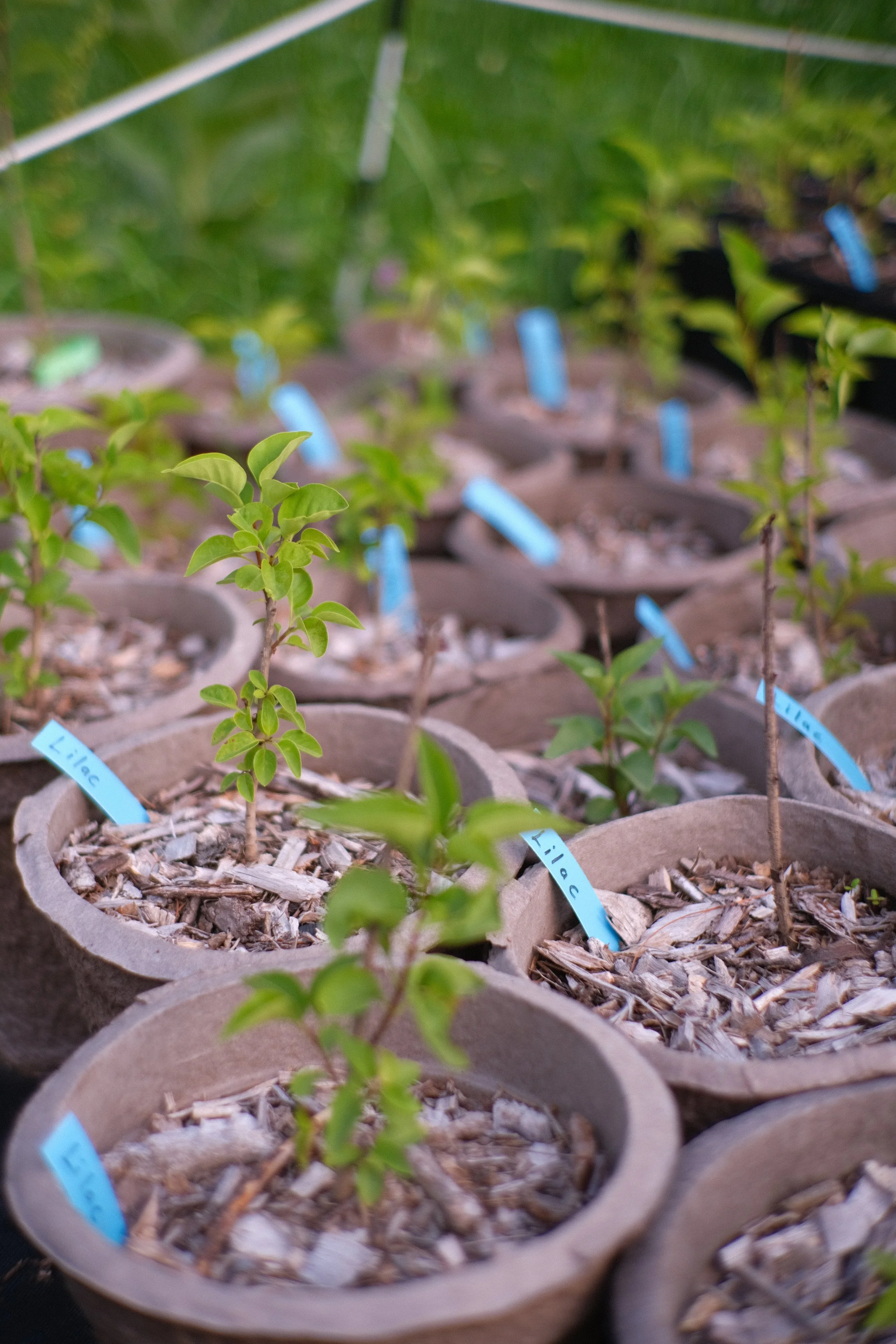
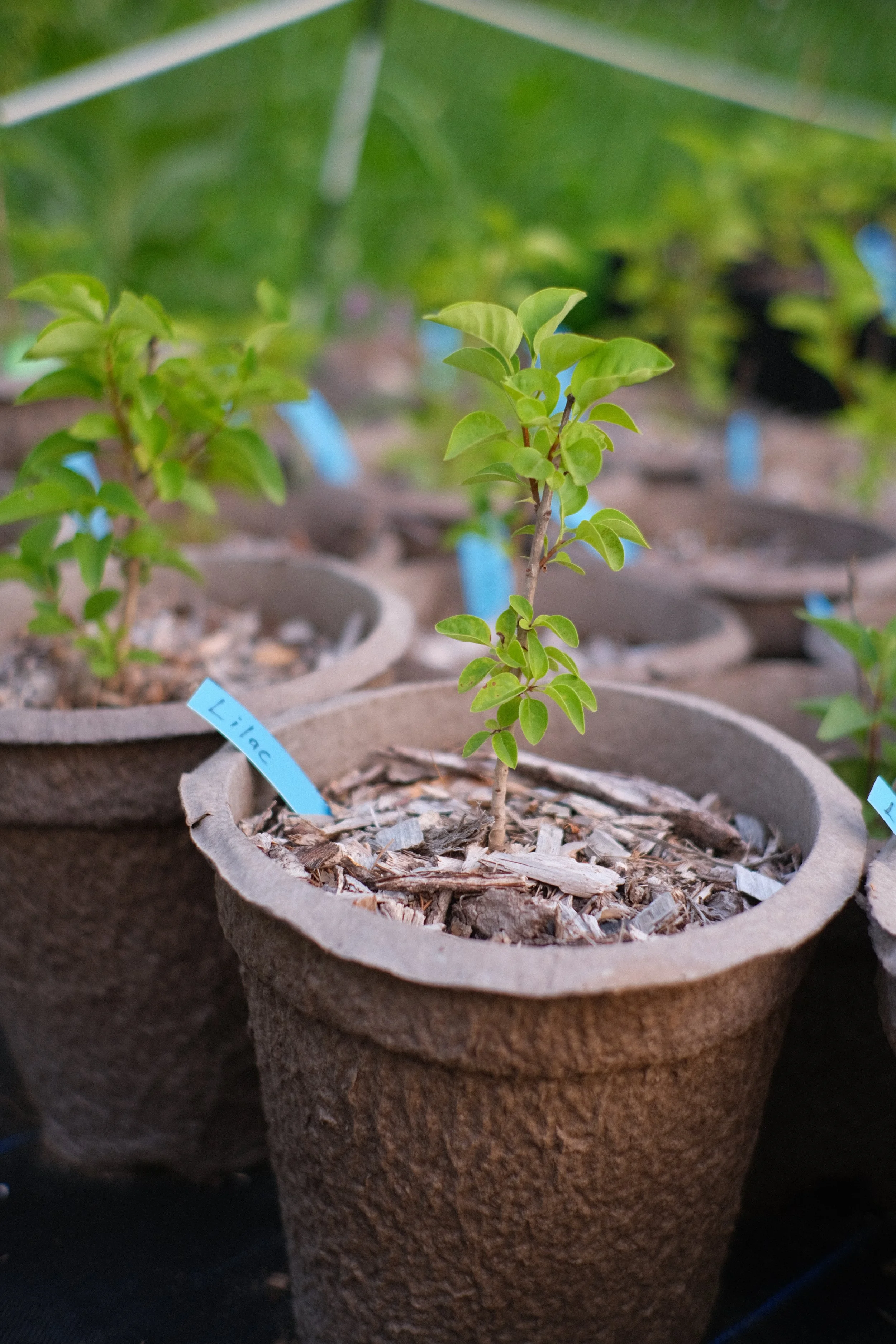
Common Lilac (Syringa vulgaris) is a classic garden shrub beloved for its dense clusters of intensely fragrant purple flowers in mid-spring. Long-lived and low-maintenance, it thrives in full sun and is a staple of cottage and heritage gardens. It blooms in mid-spring and grows best in full sun with well-drained, moderately moist soil.
Himrod is an early-ripening, seedless green-gold table grape with a honeyed, sweet flavor. It is one of the most popular seedless varieties for home growers thanks to its productivity and reliable cold hardiness. It blooms in late spring to early summer and grows best in full sun with well-drained, moderate to dry soil.
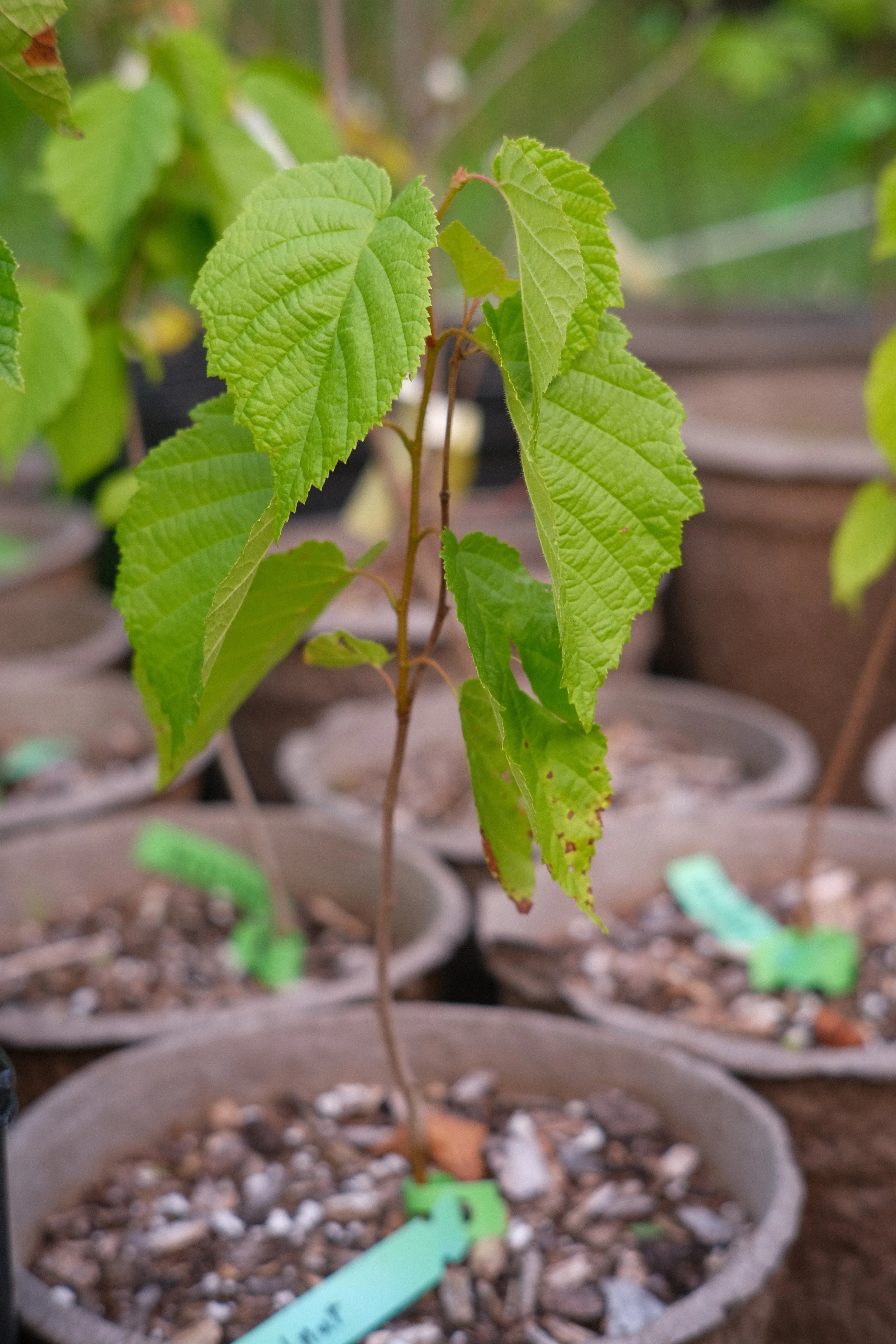
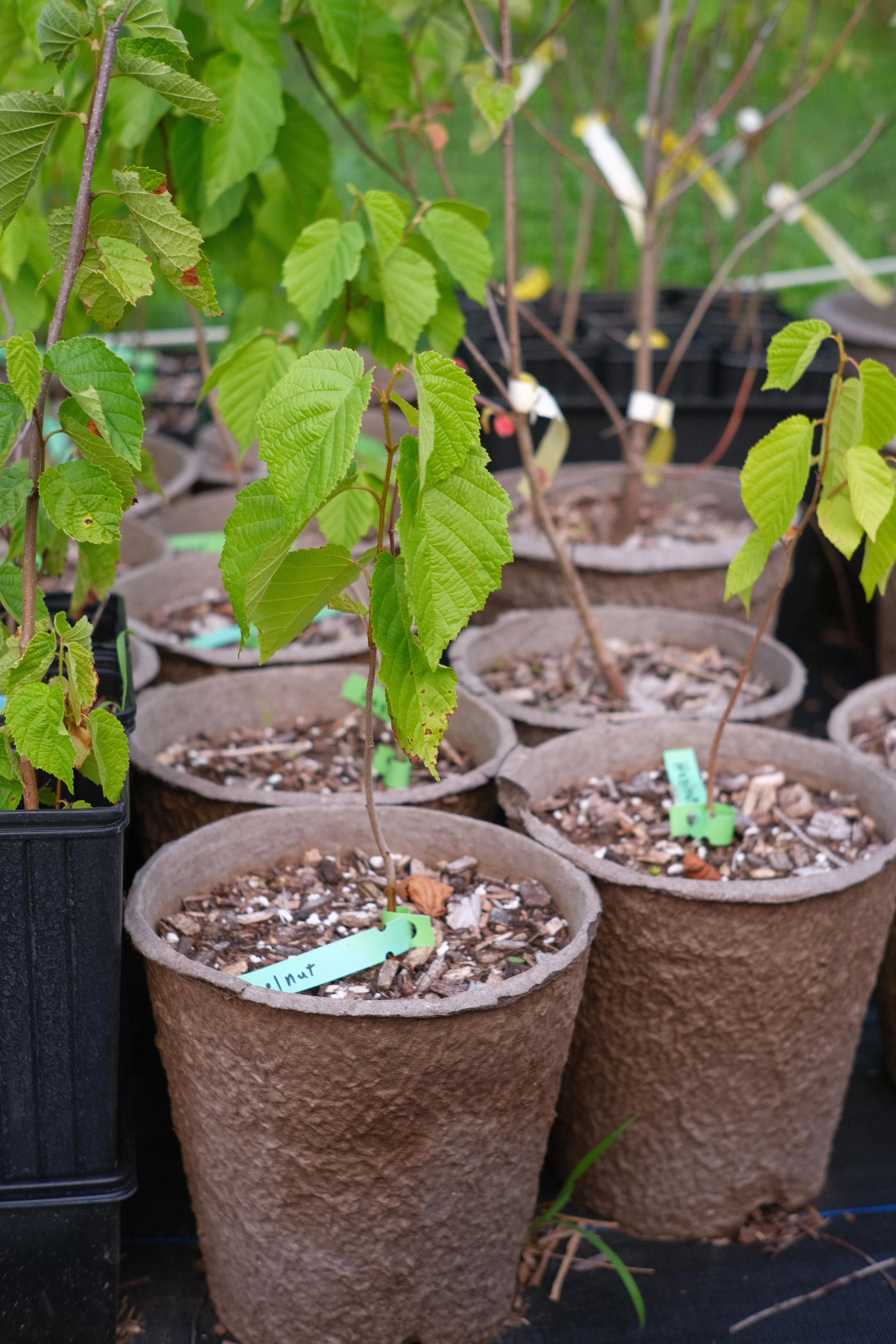
American Hazelnut (Corylus americana) is a native multi-stemmed shrub that produces edible nuts in late summer, prized by both people and wildlife. It thrives as an understory planting or hedgerow shrub and offers attractive yellow fall foliage. It blooms in late winter to early spring via drooping catkins, and grows best in full sun to part shade with well-drained, moderately moist soil.
Disease-Resistant American Elm (Ulmus americana) retains the classic vase-shaped canopy and graceful arching branches that once lined countless American streets, while offering improved tolerance to Dutch elm disease. It is a fast-growing, adaptable shade tree suited to a wide range of sites. It blooms very early in spring, before its leaves emerge, and grows best in full sun to part shade with moist, well-drained soil.
Szego Chestnut is a productive, blight-resistant chestnut cultivar bred for reliable nut production and improved disease tolerance compared to the native American chestnut. It bears sweet, large, high-quality nuts and grows into a vigorous, spreading tree. It blooms in early summer and grows best in full sun with moderate to dry, well-drained soil. Szego makes a good pollinator for other varieties. Upright growth habit and very fast growing.
Large Badger Chestnut is a cold-hardy, blight-resistant chestnut cultivar selected for its larger-than-average nut size and dependable annual production, making it a strong choice for home orchards and nut growers. It blooms in early summer and grows best in full sun with moderate to dry, well-drained soil.
Catawba is a classic American labrusca-type grape with a distinctive musky-sweet flavor, prized for juice, jelly, and wine. Its purplish-red skin and vigorous vines make it a long-standing favorite in home vineyards. It blooms in late spring to early summer and grows best in full sun with well-drained, moderate to dry soil.
Canaan Fir (Abies balsamea var. phanerolepis) combines the best traits of balsam and Fraser fir, with soft, dark green needles and excellent needle retention. It is one of the most popular Christmas tree varieties and also makes an attractive ornamental evergreen. As a conifer it does not flower, and it grows best in full sun to part shade with moist, well-drained soil.
Colorado Blue Spruce (Picea pungens) is a striking evergreen conifer known for its stiff, silvery-blue needles and classic pyramidal form. It is widely planted as a windbreak, privacy screen, and ornamental specimen tree. As a conifer it does not flower, and it grows best in full sun with well-drained soil, tolerating both moderate moisture and dry conditions.
Black Hills Spruce (Picea glauca var. densata) is a dense, slow-growing, and exceptionally cold-hardy form of white spruce. Its compact pyramidal habit and fine blue-green needles make it a popular choice for windbreaks, screening, and specimen plantings. As a conifer it does not flower, and it grows best in full sun with well-drained, moderately moist soil.
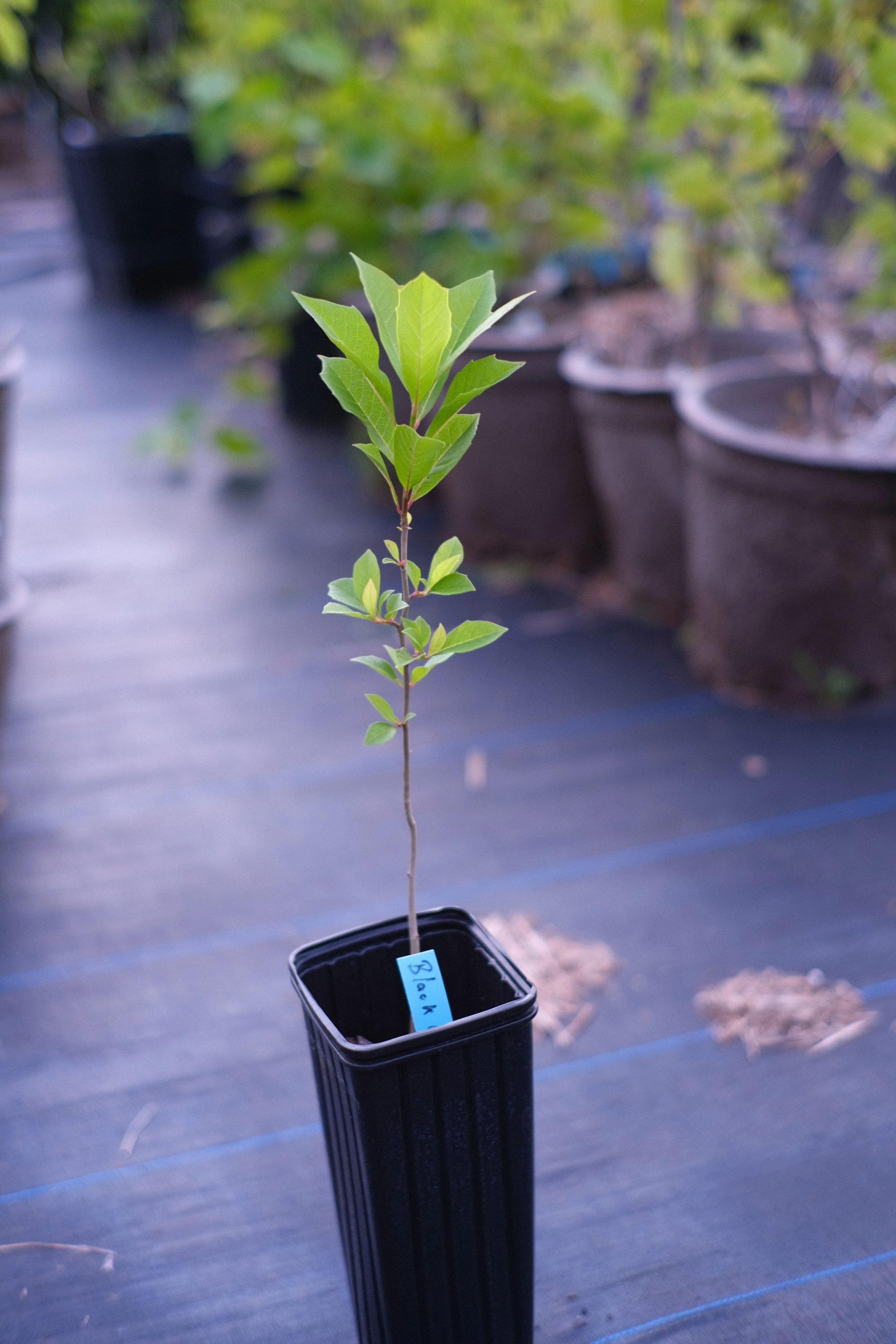
Black Gum (Nyssa sylvatica), also called tupelo, is prized as one of the earliest and most reliable trees for brilliant scarlet fall color. It tolerates both wet and dry soils and provides fruit that is an important late-season food source for birds. It blooms in late spring, though the flowers are inconspicuous, and grows best in full sun to part shade with consistently moist soil.
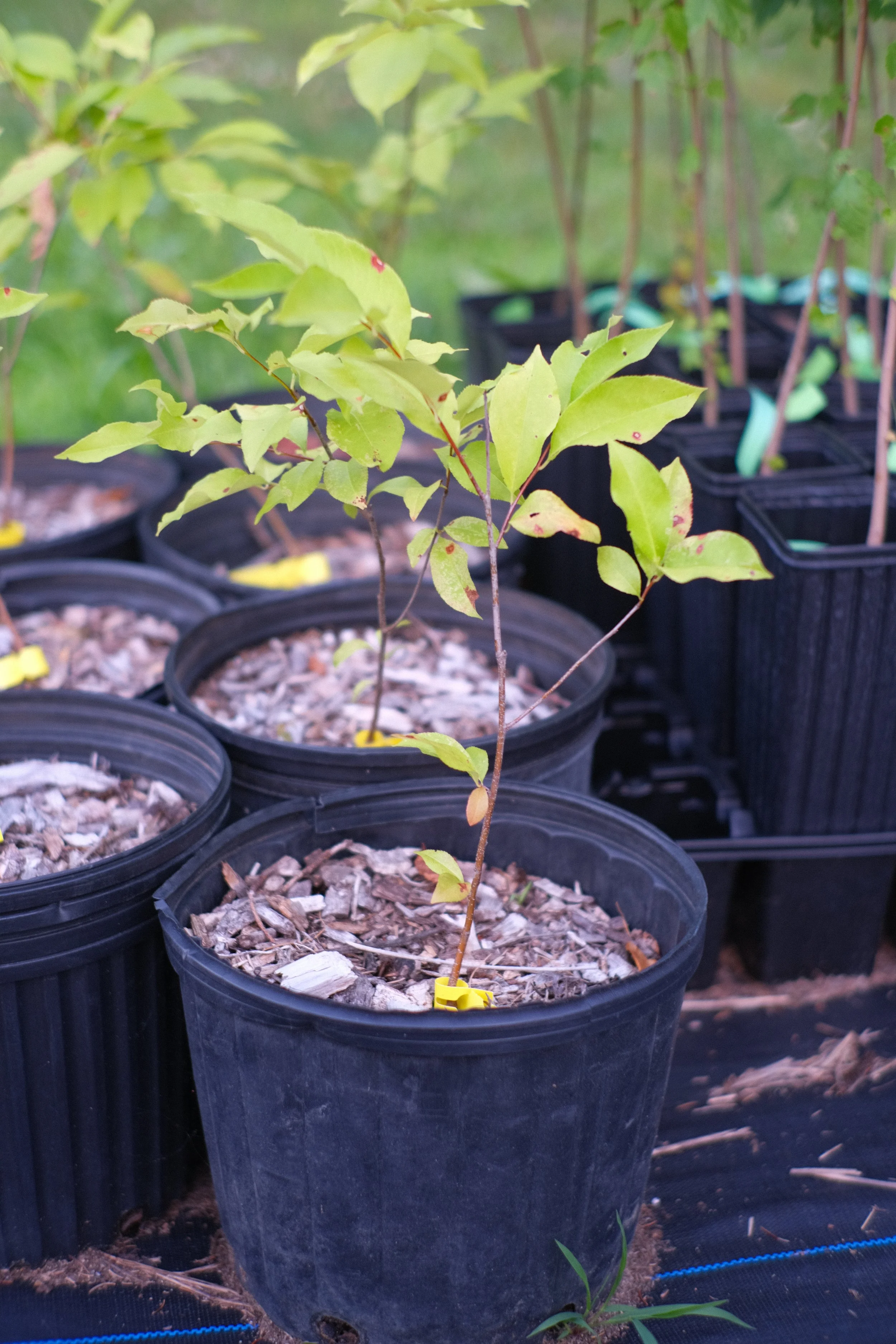
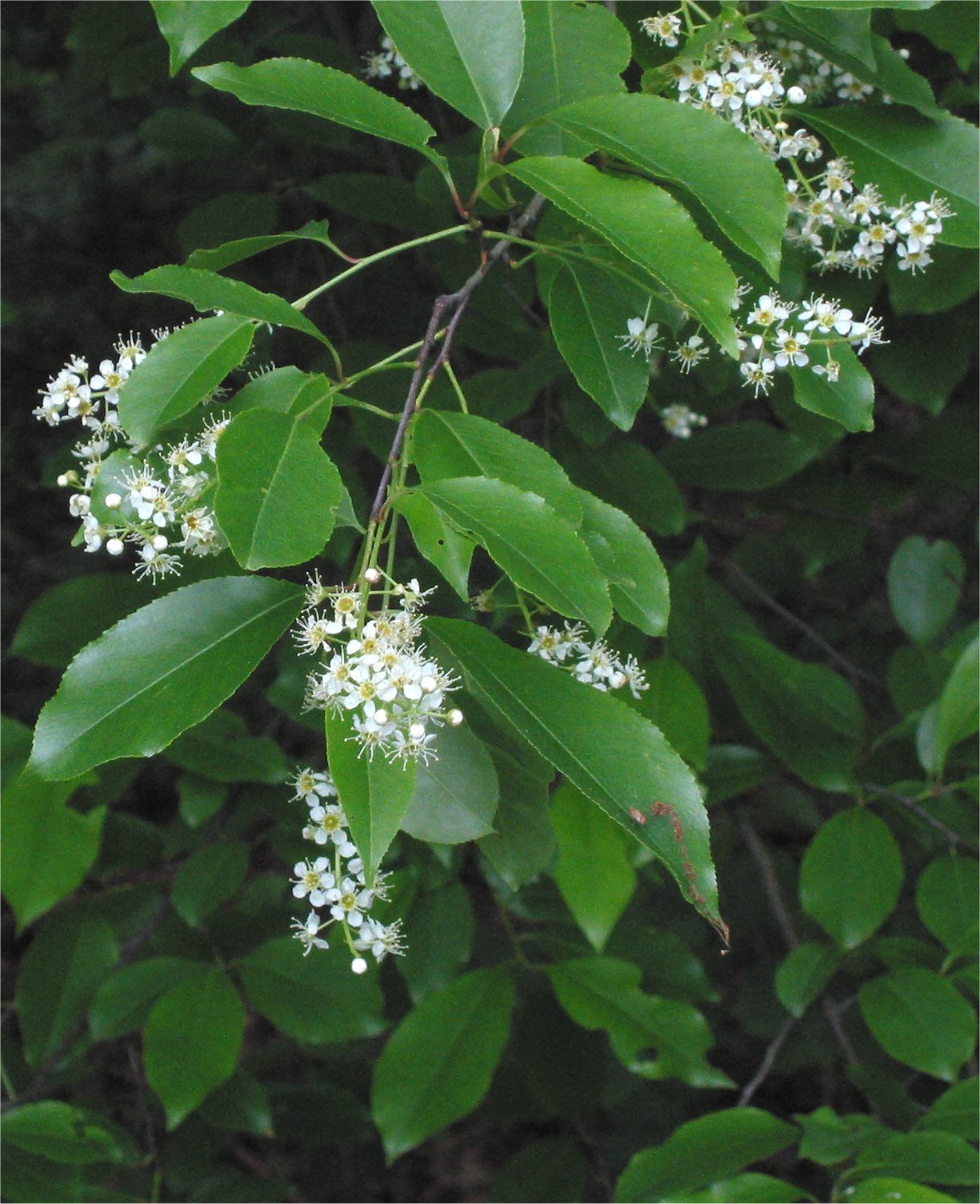
Black Cherry (Prunus serotina) is a native hardwood valued both for its dark, richly grained lumber and its ecological importance, producing white spring flowers and dark summer fruit relished by songbirds and mammals. Mature trees develop distinctive dark, scaly "burnt potato chip" bark. It blooms in mid-spring and grows best in full sun to part shade with well-drained, moderately moist soil.
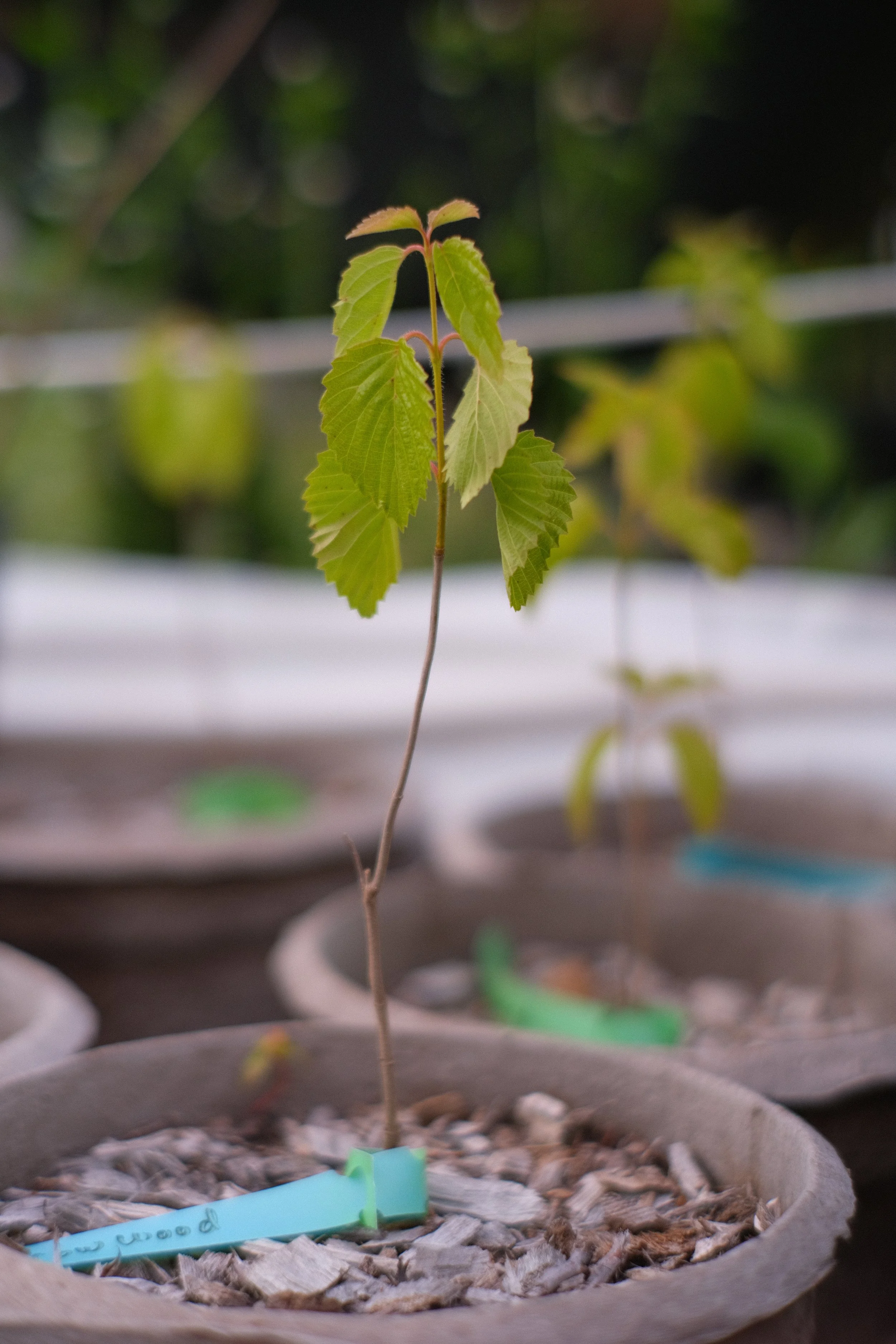
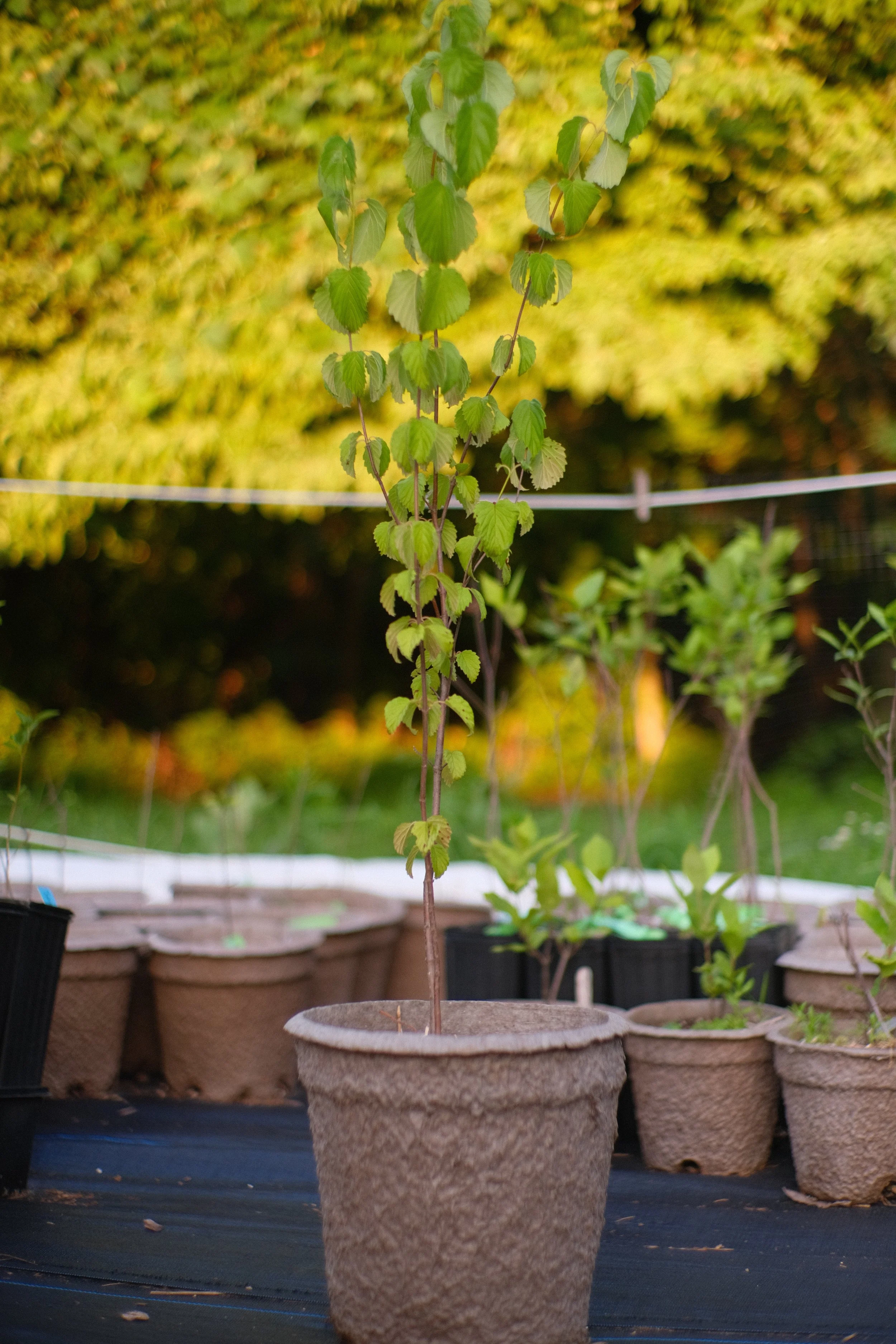
Arrowwood Viburnum (Viburnum dentatum) is a versatile native shrub with clusters of white spring flowers followed by blue-black berries that are highly attractive to birds. Its dense, upright habit makes it a popular choice for hedgerows, screening, and pollinator gardens. It blooms in late spring to early summer and grows best in full sun to part shade with moderate to moist, well-drained soil.
No results match your search. Try removing a few filters.